
Power distribution and generators for an outdoor production
An outdoor event runs on power you have to bring, and getting the load math wrong kills the show or trips a breaker mid-toast. Here is how I size generators, plan distribution, and keep a quiet dinner quiet when the tent has no wall outlets.
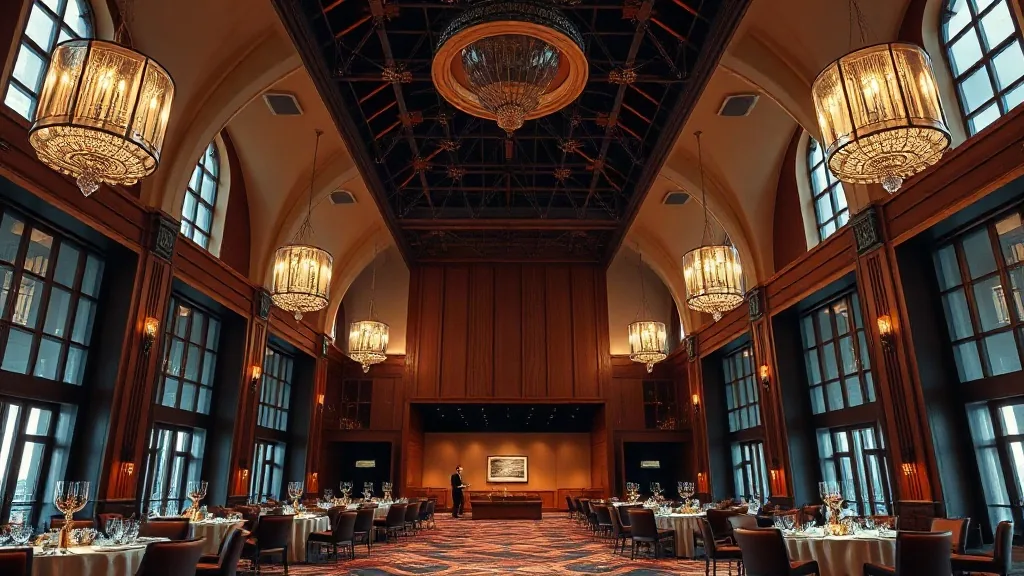
The quote said “generator, 20kW, $850.” What it did not say was that the unit sat 40 feet from the tent with no sound baffling, and during the client’s welcome toast it sounded like a lawnmower idling behind the head table. That’s the outdoor power lesson nobody warns you about. The load math is the easy part. Where the noise goes, where the cable runs, and what happens when it rains are the parts that ruin a dinner.
I plan a lot of finance and healthcare offsites in Florida, and half of them end up under a tent in a garden with no permanent power to speak of. A barn or farm venue might have a single 20-amp circuit meant for string lights, not for a 12-piece band, catering warmers, and a full AV rig. So you bring power, and you plan it like it matters, because a tripped main at 7pm has no easy fix in the dark.
Start with the load, in watts
Before I call a generator vendor I build a load sheet. Every device that draws power gets a line and a wattage. Catering is the surprise every time. A single electric convection oven pulls 5,000 watts. Two coffee urns pull 1,500 each. A four-burner induction line for a plated dinner can hit 12,000 watts on its own. Add the band’s amps and monitors at maybe 3,000, the AV and lighting at 4,000 to 8,000 for a modest program, and string lighting and heaters, and a “small” garden dinner is drawing 25,000 to 35,000 watts before anyone accounts for margin.
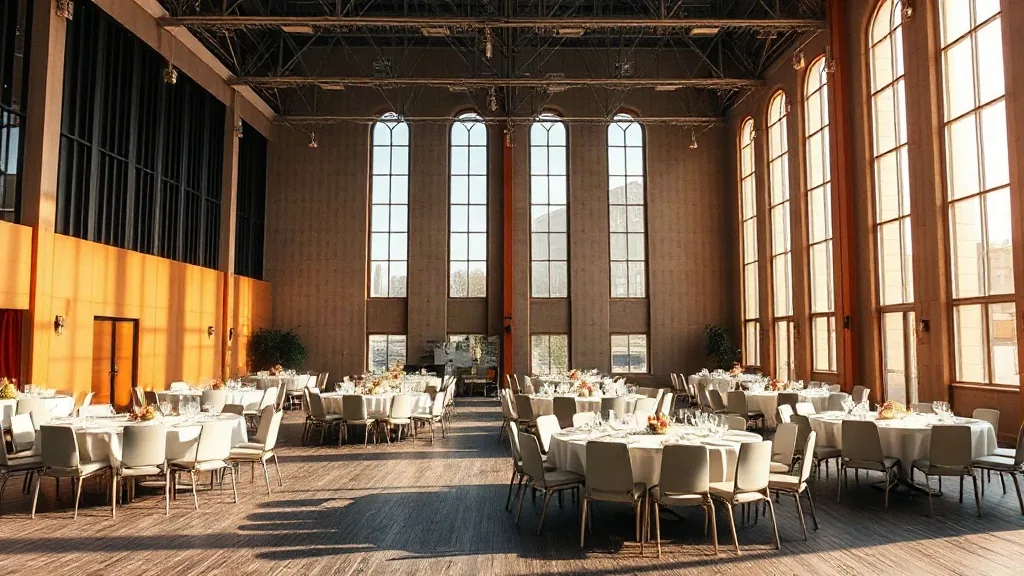
The rule I use: size the generator to 1.25 times your calculated peak load, never to the number itself. A 30kW draw wants a 40kW generator, not a 30kW one. Generators run hot and lose capacity in Florida humidity, and motors like coffee urns and HVAC draw a surge on startup that’s two to three times their running watts. A generator running at 100 percent of nameplate all night will trip or fail. One running at 75 percent hums along.
Separate the dirty power from the clean power
Here’s the mistake that costs you audio quality. Catering equipment, especially anything with a motor or a heating element cycling on and off, throws electrical noise onto the line. Put your audio system on the same generator leg as a coffee urn and you get a hum through the speakers every time the urn’s thermostat clicks. I learned this the hard way at a donor dinner where the mics buzzed through every toast.
The fix is distribution, meaning you split the power into separate circuits and keep the sensitive gear apart from the noisy gear. AV and audio get their own dedicated feed, ideally their own smaller generator or at minimum their own isolated leg with a line conditioner. Catering, lighting, and heaters share the other. Your AV vendor will ask for this by name (“give me clean, dedicated power”), and if the generator vendor doesn’t understand the request, you have the wrong generator vendor.
Cable runs, ramps, and the trip hazard nobody budgets for
Once you have power at the generator, you have to get it to the tent, and that cable crossing a guest path is a lawsuit waiting to happen. Every cable run that crosses where people walk needs a cable ramp, the yellow rubber kind, and those cost $15 to $30 each to rent and add up fast on a big footprint. Plan the generator placement to minimize crossings. Downwind and behind a hedge for noise, but not so far that you’re running 200 feet of heavy cable and eating a voltage drop.
Voltage drop is real over distance. A long run of undersized cable loses voltage, and low voltage makes motors run hot and dimmers flicker. The generator vendor sizes the cable, but you should know that a generator 150 feet from the tent is a different, pricier order than one 40 feet away. Placement is a cost decision, not just a noise decision.
The rain plan and the second generator
In Florida I plan every outdoor event as if it will rain, because in summer it will. Generators and distribution boxes need to stay dry and elevated, on pallets or under their own pop-up, with the connections rated for wet conditions. A soaked distro box is a dead show and a genuine hazard.

For anything where a power failure ruins the event, I spec a second generator on automatic transfer, or at minimum a smaller backup unit staged and fueled for the AV load alone. This is the same logic behind why outdoor events in Florida need two backup plans. A single generator is a single point of failure, and I’ve watched one drop out at a 200-person dinner. The story of a power outage, a backup generator, and the clause that saved us is exactly why the backup line is not optional on a high-stakes evening.
Fuel is part of the plan too. A 40kW diesel generator burns roughly two to three gallons an hour under load. A six-hour event plus setup and teardown needs the tank sized and topped, and you confirm in writing whether the vendor refuels or whether you’re responsible. Running out of diesel at 9pm is an avoidable, embarrassing failure. I’ve seen a garden dinner go dark at dessert because the tank was sized for the event hours and nobody counted the three hours of setup that ran the generator before a single guest arrived. Count the whole runtime, not just the party.
What to put in the contract
Get the generator noise rating in decibels in writing, and ask for a sound-attenuated (“whisper” or “super-silent”) unit for any event with speeches or a quiet dinner. A standard open-frame generator runs 70 to 75 decibels at 23 feet. A sound-attenuated one runs closer to 60. That difference is audible at the head table. Also confirm delivery, placement, a technician on site or on call, fuel, and pickup times. And confirm who pulls the electrical permit, because many jurisdictions require one for a temporary generator over a certain size.
Tie all of this to your weather terms. My guide to weather contingency clauses for outdoor corporate events covers the language that protects the deposit when the forecast turns. Your outdoor and garden venue or event venue walkthrough should end with you standing where the generator will sit, listening, and imagining a toast happening 60 feet away.
Tell me your guest count, whether you’re feeding a hot plated meal or a station buffet, and whether there’s live music. Those three answers set your load, and the load sets everything else. Send me the brief and I’ll rough out the generator size you actually need.


