
A power outage, a backup generator, and the clause that saved us
A grid outage hit 90 minutes into a 500-person convening. The venue lost power. We didn't, because of one clause and one generator I almost cut from the budget. Here is what the contract said and what I now require in writing.
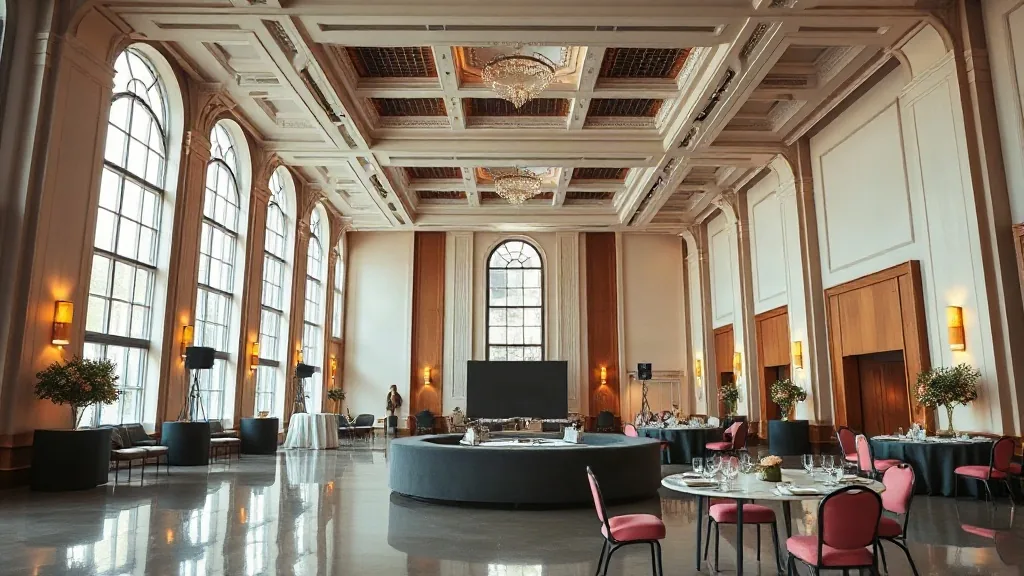
The grid went down at 2:10pm, 90 minutes into a 500-person policy convening, and stayed down for four hours. The block lost power. The traffic lights outside went dark. What didn’t go dark was our general session, because a clause I’d negotiated eight months earlier required the venue to disclose its backup power capability in writing, and that disclosure had told me the truth: the house generator covered life-safety and the elevators, and nothing else. So I’d rented my own. The $2,100 generator I almost cut from the budget kept the stage lights, the sound, and the livestream running while the rest of the building sat dark. The session finished on time.
I plan convenings for associations and policy groups, the kind of event where 500 people traveled in and a national audience is watching the stream. A dark stage in front of that room is not an inconvenience, it’s the event ending. So power resilience is something I now treat as a contract term, not a hope. Here’s the clause, the equipment, and the mistake I stopped making.
The clause most contracts don’t have
Standard venue contracts say almost nothing about power continuity. They’ll cover who pays for damage and who carries insurance, and they’ll have a force majeure clause that, read closely, mostly protects the venue. What they rarely include is any commitment about what happens when the power fails. So I add one. My standard ask is a written disclosure of the venue’s backup power: whether there’s a generator, what it actually covers (life-safety only, or the event spaces too), how fast it transfers, and how long it runs on the fuel on site.
That disclosure is the whole game, because the answer is almost always “life-safety only.” Most building generators are sized to run emergency lighting, exit signs, fire systems, and one elevator, for code compliance, not to keep a ballroom’s stage and AV alive. If I hadn’t required that disclosure in writing, I’d have assumed “the building has a generator” meant my event was covered, and I’d have found out otherwise at 2:10pm with 500 people watching a dark stage. I’ve written before about a power outage during a product demo that went exactly that way for a planner who assumed, and it’s the failure this clause exists to prevent.
What the generator actually powered, and what it cost
Once the disclosure told me the house system wouldn’t cover my event, I priced my own. A towable diesel generator sized to run a general-session stage, the AV rack, the sound, the confidence monitors, the livestream encoder, and the internet came to about $2,100 for the day including fuel and a cable run, plus a spotter the venue required for $300. I did not power the whole building. I powered the room that could not go dark: the stage, the AV, and the stream. Everything else, the breakout rooms, the lobby, the catering, ran on house power and went dark with it, which was fine because none of those was live in front of a national audience at 2:10pm.
That’s the calculation. You don’t generator the whole event. You identify the single thing that cannot fail, price a backup for exactly that, and let the rest ride on house power. For a general session with a stream, the cannot-fail list is stage lighting, sound, and the encoder-plus-internet that keeps the stream alive. For a gala it might be just enough lighting and sound to keep the room running. Scope the generator to the cannot-fail list and the cost stays reasonable.
Force majeure cuts the other way
The reason the generator mattered so much is that the contract would not have saved us if the event had failed. People assume force majeure protects them when something like a grid outage hits. It usually protects the venue. The force majeure clause your contract probably misses is written to excuse the party that can’t perform, and in a power outage that’s often the venue, not you. So a dark stage wouldn’t have gotten my client’s money back or made the 500 traveled-in attendees whole. The contract’s protection ran the wrong direction. The only real protection was continuity, and continuity is equipment, not language.
This is the pattern I keep relearning: the clause that saves you is rarely the one that pays you back after a failure, it’s the one that prevents the failure. I’ve written about a forgotten contract clause that saved an event for the same reason. The money-back clauses are cold comfort when the event is the thing that mattered.
Test the transfer, not just the presence
A generator on paper is not a generator that works. When the venue does have a house generator that covers the event spaces, I ask two more questions: how fast does it transfer, and when was it last load-tested. A transfer switch that takes 10 seconds means your stage and stream go dark for 10 seconds and your encoder has to reconnect, which on a livestream reads as a failure even though power came back. For a stream that can’t drop, I want an uninterruptible power supply on the encoder and the switch itself, so the critical path rides through the transfer gap on battery. And a generator that hasn’t been load-tested in a year is a maybe, not a backup. I’ve stopped trusting “we have a generator” the same way I stopped trusting “AV is included.”
What I now require in writing
For any event where a power failure ends the event rather than just inconveniencing it, three things go in the contract or the planning file before I sign. A written disclosure of the venue’s backup power and exactly what it covers. Confirmation that I’m permitted to bring in a rental generator, with the tie-in point, the fuel storage rules, and any spotter or permit requirements spelled out. And a walk of where the generator stages and how the cable runs to the room, because a generator that can’t reach the stage is decoration.
Then I make the call on whether to rent one. For a small internal meeting, I don’t; a power blip means a delay, not a disaster, and that’s an acceptable risk. For a 500-person convening with a livestream, a product launch, a gala with a program, or anything where a dark room is the story people remember, the generator is cheap insurance against the event simply ending. At big convention centers I confirm the backup power scope early because the buildings are large and the house generators are almost never sized for event continuity. At independent event venues and outdoor and garden spaces I plan for my own power as the default, because many of them have no meaningful backup at all.
The four-hour outage that afternoon made the local news. My client’s attendees mostly didn’t notice it happened, because their room never went dark and the stream never dropped. That’s the outcome I’m buying with the disclosure clause and the $2,100. Nobody remembers the generator you rented. They remember the stage that stayed lit.
If you tell me your headcount, whether you’re streaming, and whether a dark room ends your event or just delays it, I’ll tell you whether you need your own power and roughly what scoping the generator to your cannot-fail list would cost. It’s a small line against the risk of the whole thing going dark.


