San Francisco vs Austin for a Tech User Conference: Cost Gap, Venue Inventory, and the Vibe Tax
A 400-person tech conference costs $280K-$380K in San Francisco and $195K-$265K in Austin. The 30% cost gap is real. Whether Austin's venue inventory and vibe justify the trade is the actual question.

I’ve run tech user conferences in both cities within the same 18-month window for different clients. Same headcount range (350-450 people), same format (general session plus breakouts plus evening reception), same production scope. The San Francisco event cost 38% more than Austin for the same deliverable. Here’s what drove every dollar of that gap.
Hotel Room Block: the Biggest Single Line Item
San Francisco hotel room blocks in SoMa or the Financial District (the two neighborhoods with the best conference infrastructure) run $289-$389 per night for negotiated group rates. This has been true for years and doesn’t change much in the shoulder seasons that tech companies tend to choose (March-April, September-October).
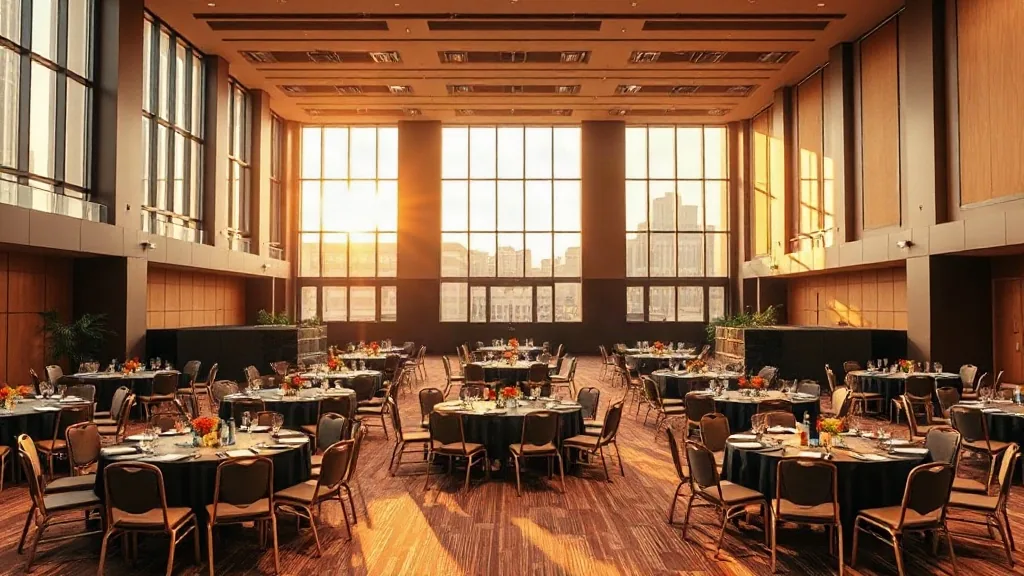
Austin’s room block rates at downtown properties near the Austin Convention Center or on 2nd/4th Street run $189-$249 per night for the same group configuration. Some properties drop to $165-$185 during the summer months when leisure travel falls off.
For 350 attendees over two nights, with 70% room pickup (245 rooms):
| City | Rate per night | 2 nights, 245 rooms | Difference |
|---|---|---|---|
| San Francisco | $329 avg | $161,210 | baseline |
| Austin | $219 avg | $107,310 | -$53,900 |
That $54,000 gap on room block alone is before you touch venue, catering, or AV.
Venue Inventory at 350-450 People
Both cities have adequate venue inventory at this headcount, but the character of that inventory is different.
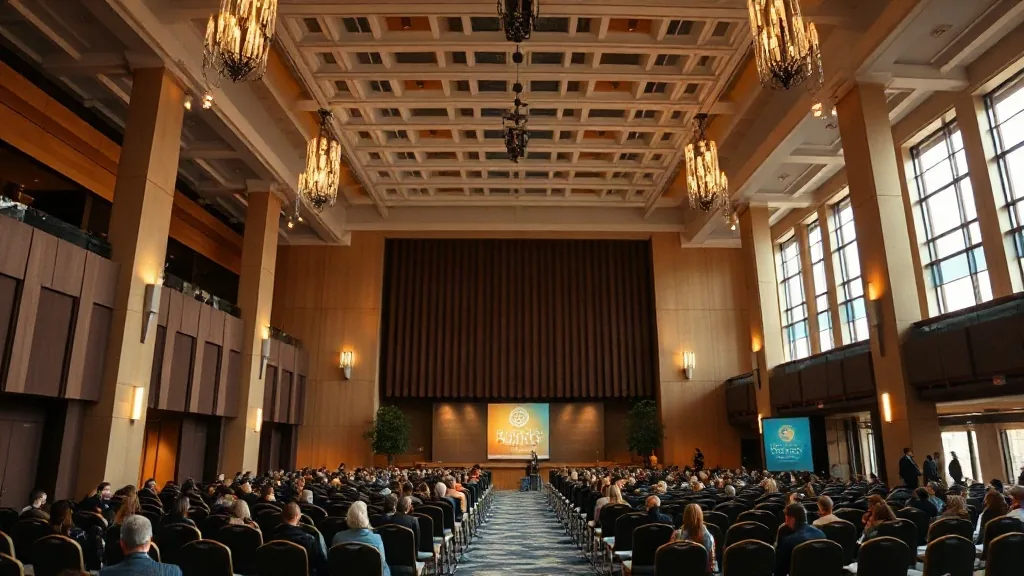
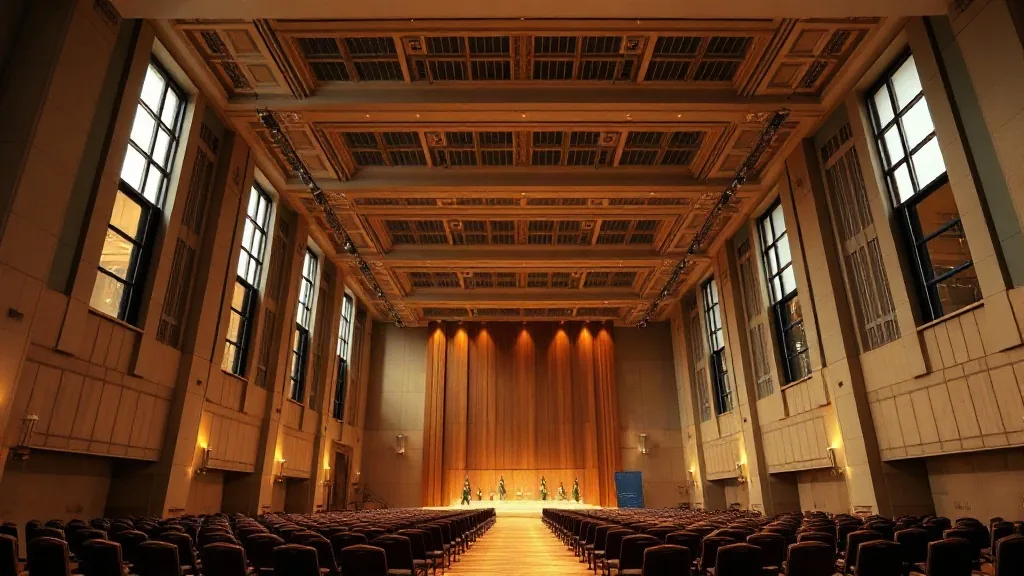
San Francisco’s conference-appropriate venues in this range include the Palace of Fine Arts Theatre, the SF Mint, the Julia Morgan Ballroom, the City View at Metreon, and the hotel ballrooms at the Marriott Union Square and the St. Francis. These are beautiful, well-maintained venues with strong AV infrastructure and professional events staff who have run hundreds of tech events.
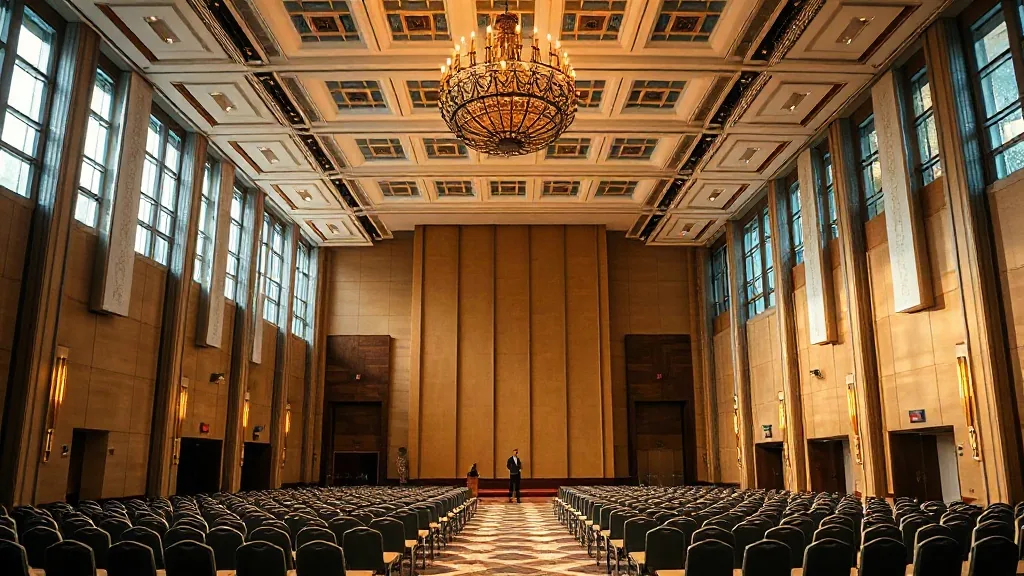
Austin’s comparable venues include the Austin Convention Center’s smaller halls, the ACL Live at the Moody Center (for the right format), the Fairmont Austin’s Grand Ballroom, the AT&T Hotel and Conference Center at UT, and a growing supply of event-specific venues in the East 6th and Domain corridors.
The honest difference: San Francisco’s venue inventory at 400 people is deeper and more practiced with tech event formats. Austin’s inventory is younger, less battle-tested, and occasionally oversells its capabilities. I’ve had Austin venues promise production infrastructure they didn’t actually have. I’ve never had that problem in SF at this headcount.
AV and Production
This is where the gap is most counterintuitive. San Francisco’s AV vendor market is deep and competitive. Because so many tech companies run user conferences there, the market supports 15-20 independent AV vendors who specialize in conference production. That competition drives pricing.
Austin’s AV vendor market is thinner and has been strained by SXSW demand. Local vendors who work the Austin conference circuit are good but fewer, and their availability in the April-May window (tech conference high season) is limited. Importing an AV team from outside Austin adds $8,000-$15,000 in travel and logistics cost.
For a 400-person tech conference with full AV production (two breakout rooms, main stage, streaming, recording), the AV scope runs $28,000-$42,000 in San Francisco and $24,000-$38,000 in Austin with a local vendor. The gap is smaller than most planners expect.
The “Vibe Tax”
This is a real phenomenon that I’ve watched affect registration and attendee satisfaction. San Francisco’s reputation as the center of gravity for technology adds measurable registration value for a user conference. Attendees from the Midwest and South are more likely to book and attend a San Francisco event than an Austin event, even if the content is identical.
I’ve seen user conferences add 12-18% to registration when moving from a secondary city to San Francisco. At $1,200 per registration for a 400-person event, that’s $57,600-$86,400 in additional revenue that offsets a significant portion of the venue premium.
Austin’s vibe tax works differently. It’s strong for a specific tech company profile: younger, growth-stage, culture-first. If your users are 28-40, identify with Austin’s creative tech scene, and include a substantial number of people who’ve attended South by Southwest, Austin’s vibe tax can match San Francisco’s. If your users are enterprise IT buyers in their 40s and 50s making six-figure software decisions, Austin’s vibe is irrelevant to their attendance decision.
Quantitative Summary
| Line Item | San Francisco | Austin |
|---|---|---|
| Hotel room block (245 rooms, 2 nights) | $155K-$190K | $95K-$122K |
| Venue rental (3 days, general session + 3 breakouts) | $22K-$38K | $14K-$26K |
| F&B (breakfast, lunch, breaks per day, 3 days) | $78K-$105K | $58K-$82K |
| AV production | $28K-$42K | $24K-$38K |
| Staff and transportation | $8K-$14K | $6K-$12K |
| Total | $291K-$389K | $197K-$280K |
Gap: $94K-$109K on a comparable event. That’s real money.
The Recommendation
If your user base is enterprise-oriented, geographically distributed, and attends for the content rather than the city: Austin saves $94K-$109K without meaningfully affecting the conference experience.
If your user base is SF-adjacent, career-stage 28-42, and for whom “tech conference in San Francisco” is a meaningful signal: the vibe tax justifies $40,000-$60,000 of the premium. Whether it justifies all of it is a registration math question.
The After-Conference Social Program
User conferences don’t end at 5pm. The post-session social programming, the informal dinners, the evening activations: these drive word-of-mouth and repeat attendance. Both cities have strong social programs, but they’re different.
San Francisco’s post-conference social options cluster in SoMa, the Mission, and North Beach. Restaurant availability for 200-person group dinners on conference evenings requires 6+ months advance booking at desirable venues. The city is competitive for group dining during tech conference season (March-April, September-October).
Austin’s post-conference social options on 6th Street, Rainey Street, and in East Austin are numerous and more available on shorter notice. The city has more event-ready bars and restaurants per capita relative to its tech conference demand. If your team wants an impromptu group dinner at 8pm for 40 people, Austin’s restaurant inventory accommodates that more readily than San Francisco’s.
For a conference where spontaneous social experiences are part of the value proposition (and they should be), Austin’s social infrastructure is less constrained.
The Repeat Attendance Consideration
If your user conference runs annually, city rotation affects year-over-year attendance differently. San Francisco’s conference has a pull factor: Bay Area-based users can attend without travel costs, which boosts local attendance. Austin’s conference doesn’t have a similar local concentration of tech users unless your customer base includes significant Texas representation.
However, a user conference that alternates between San Francisco and Austin year to year creates a geographic equity argument for attendees: “We go to both coasts.” That rotation narrative helps registration in years when the conference is in Austin by making the non-SF year feel planned rather than downgraded.
Look at your attendee zip codes from the previous year. If fewer than 20% are from the Bay Area, San Francisco’s vibe tax is not working for you.
Browse conference centers in Texas and conference centers in California to compare current availability. For the AV and production variables that distinguish these cities, see how to scope AV for a conference and the load-in schedule for a one-day corporate event.