
Second-tier cities that beat the majors on total event cost
A second-tier city can land the same 250-person conference for a third less than a coastal major, once you add up labor, F&B, and hotel. Here is the total-cost math and how to check whether the airlift kills the savings.
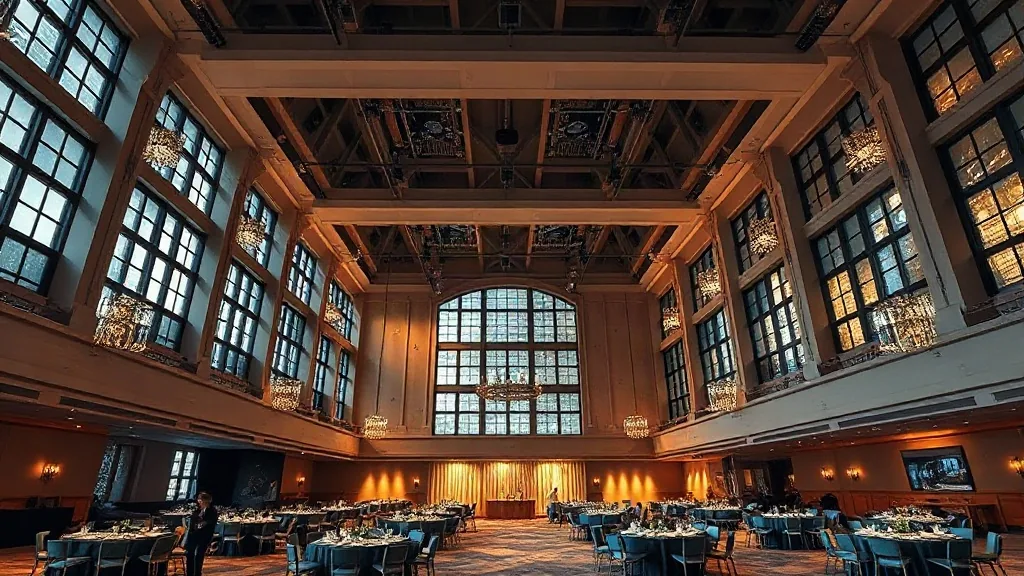
I ran the same 250-person, two-day user conference twice, a year apart. San Francisco the first year, Indianapolis the second. Same format, same production scope, same catering standard. San Francisco landed at about $310,000 all in. Indianapolis came in near $205,000. A third of the budget, gone, and the attendee survey scores were slightly higher the second year because the hotel was nicer for the money and everything was walkable. The difference was not luck. It was the city.
Planners default to the majors, New York, San Francisco, Chicago, LA, because that is where the client thinks a real event happens. For a lot of internal and mid-size events, that instinct is expensive and wrong. A second-tier city, Indianapolis, Nashville, Kansas City, Columbus, Salt Lake, Louisville, San Antonio, can deliver the same event for meaningfully less, and the savings show up in every line, not just one.
Where the savings actually come from
The mistake is comparing room rates and stopping there. Total event cost is four big buckets, and the second-tier city wins in three of them.
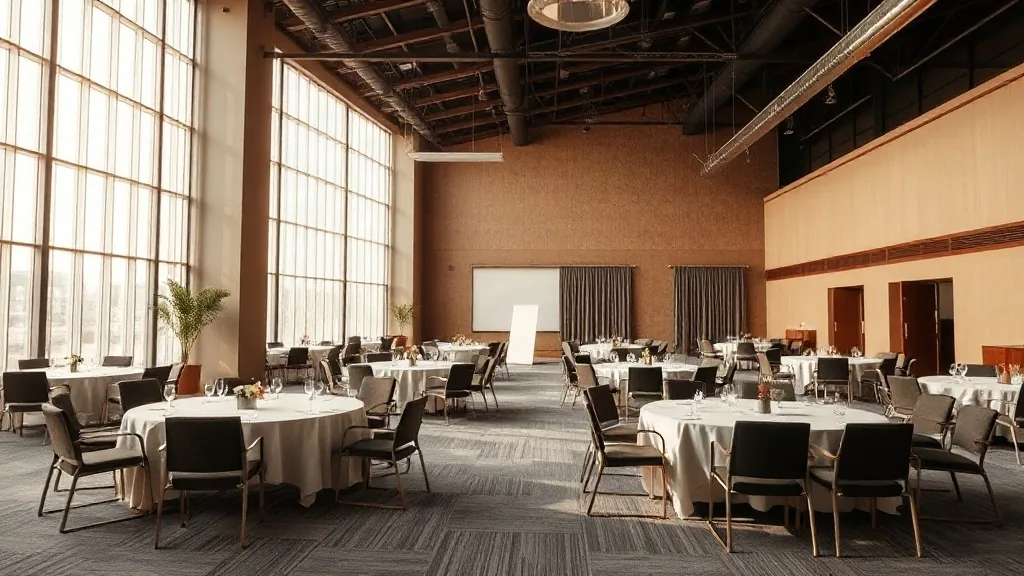
Meeting space. Cost per square foot of function space runs far lower off the coasts, and price per square foot benchmark by city shows the spread. A ballroom that rents for $18,000 a day in a coastal major is often $7,000 to $10,000 in a second-tier market for the same square footage and finish. Same box, half the rent.
Labor. This is the quiet one, and it is often the biggest gap. Many second-tier cities are right-to-work markets with lower load-in and AV labor costs, while the coastal majors carry union rates and minimum calls that inflate every production line. The same rig that costs $16,000 to install in a union major can install for $8,000 in a right-to-work second-tier city, and event staffing cost per role by city tier maps that difference role by role. On a production-heavy general session, this single bucket can swing $20,000 or more.
Food and beverage. Per-head catering minimums scale with the market. A plated dinner that carries a $185 per-head minimum in Manhattan is $95 to $120 in a second-tier city for comparable quality, because the underlying labor and real estate the caterer is pricing in are cheaper.
Hotel. The obvious one. Room rates run 30 to 50 percent under the coastal majors, and the attrition and concession terms are friendlier because the hotels are hungrier for group business.
Where the majors still win, and the catch
The bucket the second-tier city can lose is airlift. If your 250 attendees are flying from 40 cities, a major hub with nonstop flights everywhere can save enough in airfare and travel time to eat into the savings. A second-tier city with one connecting flight from half your origins adds airfare, adds a travel day, and adds risk.
So the honest math is: total venue-and-hotel savings minus any incremental airfare and travel friction. Run it before you commit. For a mostly-drive-in regional event, the second-tier city wins in a landslide because airlift is irrelevant. For a coast-to-coast fly-in where everyone connects, do the airfare delta first, because it can be the deciding number.
The total-cost worksheet
I build one line-item comparison, same scope, two cities, before I recommend anything. Meeting space per day times days. Production labor, installed. F&B per head times headcount times meal periods. Room block, rate times rooms times nights, plus realistic attrition exposure. Then airfare, estimated average round-trip from your actual attendee origins times headcount. Sum both columns. The second-tier city usually wins the first four lines by 25 to 40 percent and only risks losing on the fifth, and the fifth only bites hard on a true national fly-in.
For that 250-person conference, my Indianapolis column beat San Francisco by roughly $105,000 across space, labor, F&B, and rooms, and the airfare line was close to a wash because the attendees came from the Midwest and East, not the coasts. That is the whole case in one worksheet.
The venue types that make it work
The second-tier city advantage is strongest where you need scale. A mid-size convention center in Indianapolis or Nashville gives you big-box function space at a fraction of the coastal rate, and these cities built or renovated their centers recently to compete for exactly this business. A downtown conference center or a full-service hotel and resort in these markets often delivers newer, better-maintained space than the tired coastal box you would pay double for, because the property is younger and fighting for bookings.

And the walkability frequently comes free. Indianapolis, Nashville, and Salt Lake put their convention districts, hotels, and restaurants in a tight downtown core, so the shuttle line I would need in a sprawling major disappears. If you want proof the venue depth is real, Indianapolis corporate venues that aren’t the convention center shows the range beyond the obvious box.
The service gap that swings the other way
There is one place the second-tier city can quietly cost you, and it is not a line on the budget. It is depth of vendor bench. A coastal major has 20 AV companies, 30 caterers, and a dozen production houses, so if your first choice falls through in April you have five backups. A second-tier city might have three serious production vendors, and if the good one is already booked on your date you are choosing between a stretch and a compromise. I plan around this by locking my key vendors early, six to eight months out instead of three, because the bench is thinner and the best people book first. The savings are real and worth chasing, but they assume you secured the right crew before the calendar filled. Book the city late and short-staffed and you can hand back part of the savings in a weaker production or a caterer who was your third choice.
The objection I hear, and the answer
Clients push back that a second-tier city is not impressive enough, that attendees want New York. For an external, brand-defining flagship event where the city is part of the pitch, sometimes they are right and you pay for the major. For the internal sales kickoff, the training summit, the partner conference, the user group, the attendees remember the content, the food, and whether they slept well, not the skyline. And a third of the budget saved buys a better hotel, better catering, and a better production than the same money stretched thin in a coastal major.
Do not book the major on instinct. Build the two-column worksheet, run the airlift delta honestly, and let the total-cost number pick the city. Most of the time it picks the second-tier one, and the event is better for it.
Tell me your headcount, where your attendees are flying from, and your production scope, and I will build the two-city comparison and tell you whether the second-tier play saves you real money or whether airlift takes it back.


