
The hybrid-event streaming stack that does not fail on stage
Most hybrid failures are not the software, they are a single point of failure nobody planned a backup for. Here is the streaming stack I build so the remote audience stays connected even when the venue wifi drops at the worst moment.
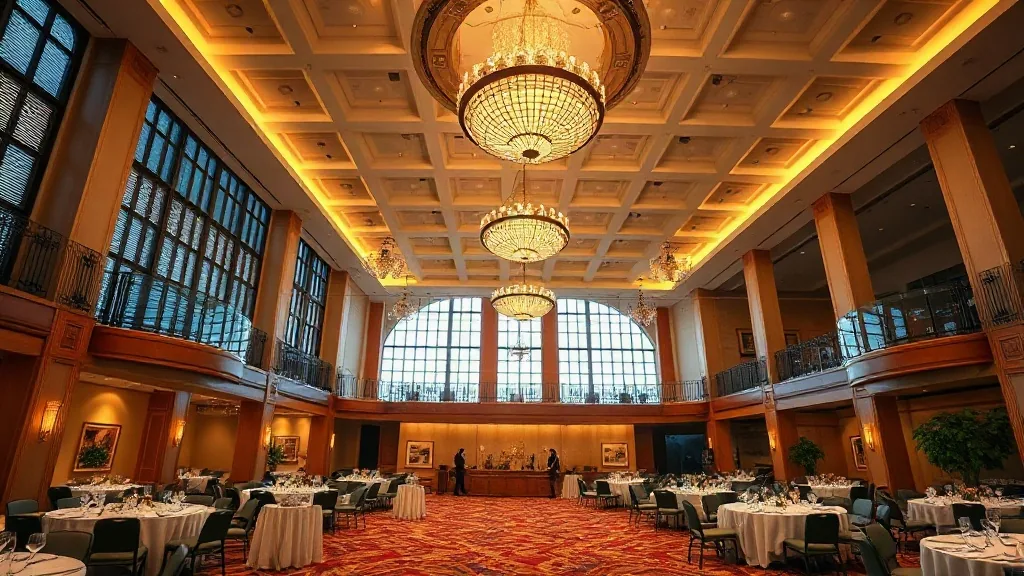
At a 400-person policy convening in DC, the livestream to 900 remote registrants went black 12 minutes into the opening keynote. The cause wasn’t the streaming platform. It was the venue’s shared wifi, which the AV team had used as the primary uplink because “it tested fine this morning.” When the exhibit hall filled and 300 phones jumped on the same network, the upload bandwidth collapsed and the stream died on the most important 40 minutes of the day. The fix cost $300 in advance and nobody had spent it. That failure is why I now build every hybrid stack around one principle: no single point of failure between the stage and the remote audience.
Hybrid events don’t fail because the technology is hard. They fail because someone treated a production-grade broadcast like a Zoom call from a conference room. The stack that survives isn’t more expensive by much, it’s just deliberately redundant at the three points that actually break.
The uplink is the thing that kills you
The internet connection carrying your stream out of the building is the single most common failure, and venue wifi is the worst possible choice for it. Shared wifi is contended, unpredictable, and collapses exactly when the room fills. For a hybrid event, you need a hardwired, dedicated internet drop, a physical ethernet line provisioned for your event alone, with a committed upload speed. Order it from the venue in advance, usually $200 to $800 for a dedicated line depending on the property, and confirm the upload bandwidth, not just the download.
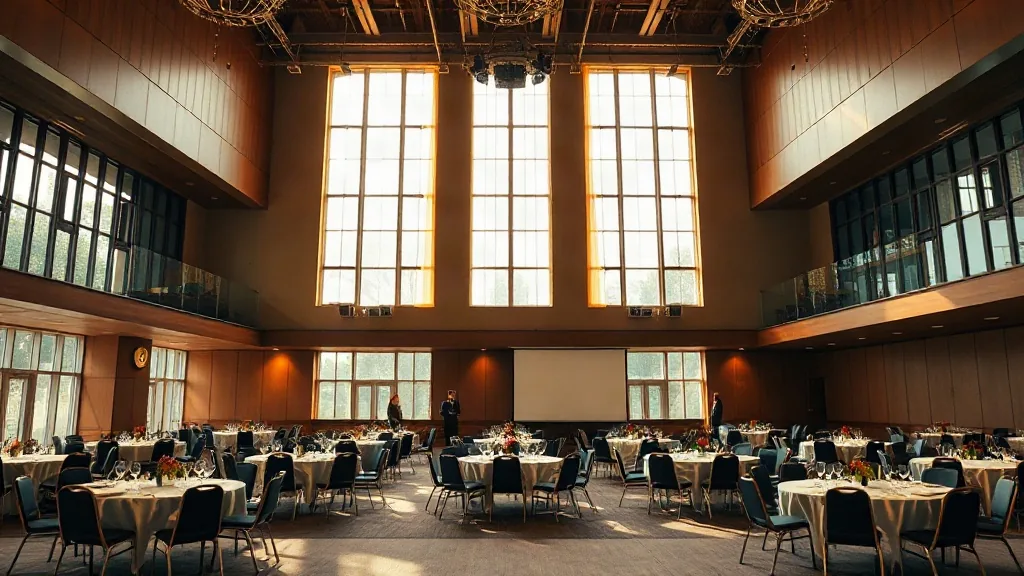
Then you back it up, because even a hardwired line can fail. My redundancy is a bonded cellular unit, a device that combines multiple 4G/5G modems into one connection, as automatic failover. If the wired line drops, the stream switches to cellular in seconds without going black. A bonded cellular unit rents for $400 to $900 for the event or you buy service from a streaming vendor who bundles it. On a stream serving 900 people, that backup is the cheapest insurance in the entire budget. The DC failure cost a keynote. The prevention was one dedicated line and one failover device.
The encoder and the switch
Your video signal from the stage goes into an encoder, hardware or software that compresses it for streaming. I use a hardware encoder for anything mission-critical, because software encoders share a computer that can hiccup, update, or crash, while a dedicated hardware encoder does one job and does it reliably. Budget $150 to $400 to rent a hardware encoder for the event, and have the AV team confirm it’s outputting to two destinations at once when possible.
That’s the second redundancy: stream to two platforms or two ingest points simultaneously. If your primary streaming platform has an outage on its end, which does happen, the secondary keeps the remote audience connected. Most hardware encoders can push two streams. Use it.
Between the stage and the encoder sits the switcher, run by a technician whose only job during the show is the stream. Not the front-of-house AV tech also running the in-room screens. A dedicated stream operator watching the remote feed on a return monitor, so someone in the room sees exactly what the remote audience sees and catches a freeze or an audio drop the second it happens. Staffing this as a separate role, roughly $600 to $1,200 for the show day, is the difference between a 12-minute outage and a 20-second one.
Audio is where hybrid quietly fails
The remote audience forgives shaky video. They will not forgive bad audio, and audio is where hybrid events lose the online room without anyone in the building noticing. The stream audio must come from the room’s sound board as a clean feed, not from a microphone pointed at a speaker. Every mic on stage, every panelist, every audience-question mic, has to route into the stream mix. The most common hybrid complaint is that remote viewers couldn’t hear audience questions, because nobody fed the floor mics into the stream.
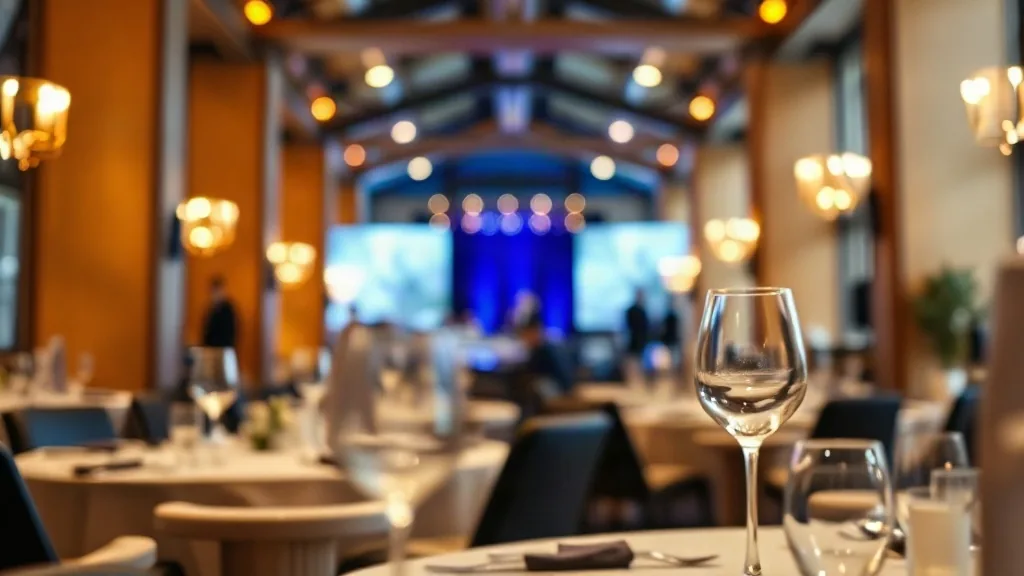
Build a dedicated stream audio mix, separate from the in-room mix, because the room and the stream need different balances. What sounds right in a 400-seat ballroom is often too quiet or too room-heavy for headphones at home. A good audio tech builds both mixes. A rushed one sends the room mix to the stream and the remote audience strains for 40 minutes.
Rehearse the failure, not just the show
The tech check most teams run confirms the stream works. That’s not enough. I run a failure rehearsal: unplug the primary internet line during the tech check and confirm the cellular failover actually catches it within the promised seconds. Kill the primary platform and confirm the secondary is live. Mute the main mic and confirm the backup path. If you only test the happy path, you’ve tested the 10 percent of the show that was never going to break.
The venue’s role in all this is bigger than people assume, so it’s a booking-stage question, not a day-of one. Ask any venue directly what dedicated internet they can provision, at what committed upload speed, and whether their house AV has run hybrid at your scale. Many conference centers are built for this and can hand you a dedicated line and a competent stream team. Hotels and resorts vary widely, and some will sell you house wifi as “sufficient,” which is the exact trap. Large convention centers usually offer dedicated internet drops but at a price, and their exclusive provider may be your only option, so price it early.
For a grounded read on what hybrid actually demands versus what gets promised, the hybrid event AV reality check is the honest baseline. The failure I opened with has its own full postmortem in internet outage during the hybrid event. And for what right looks like when it all comes together, the hybrid format that actually worked is the model I build toward.
So tell me about your remote audience. How many people are watching from home, is the content one-way keynote or interactive with remote Q&A, and has your venue committed to a dedicated hardwired uplink? Answer those and I’ll tell you exactly where your current stack has the single point of failure that goes black at minute 12.


