The twelve-person executive retreat: venue rules change completely
A finance client’s twelve-person retreat swelled to thirty, triggering a $4,700 food minimum.
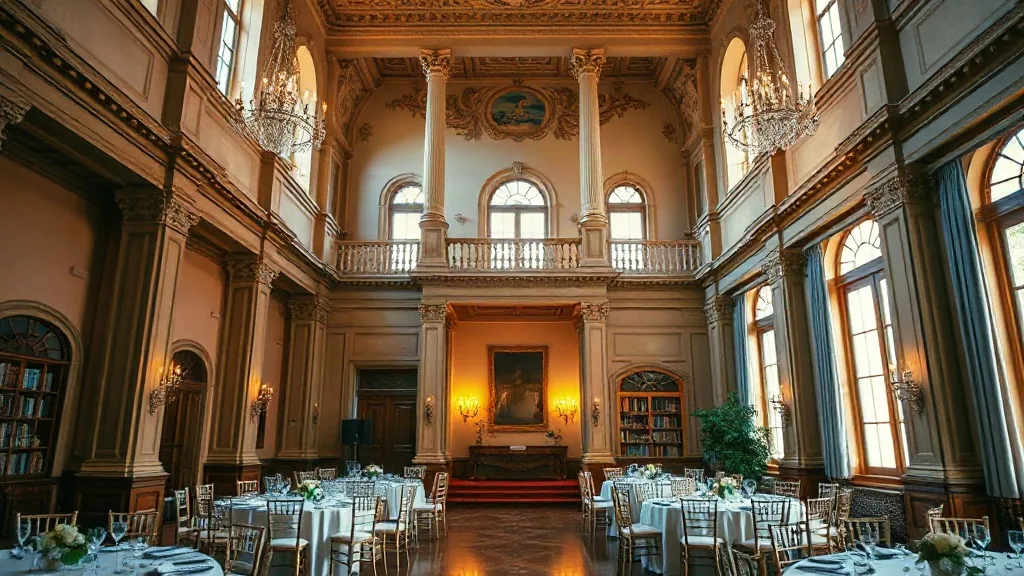
I’ve got a finance client whose “twelve-person executive retreat” turned into a thirty-person event, and the pivot cost them an extra $4,700 in food and beverage minimums alone. I booked the original space for a dozen board members at a private dining room in Fort Lauderdale, and the contract was clear on the headcount. The new business development team saw the agenda and invited their top clients on a whim. The venue held the line on the minimum, and rightly so; they had turned away another booking for that room.
Negotiate the room, then negotiate the food minimum separate
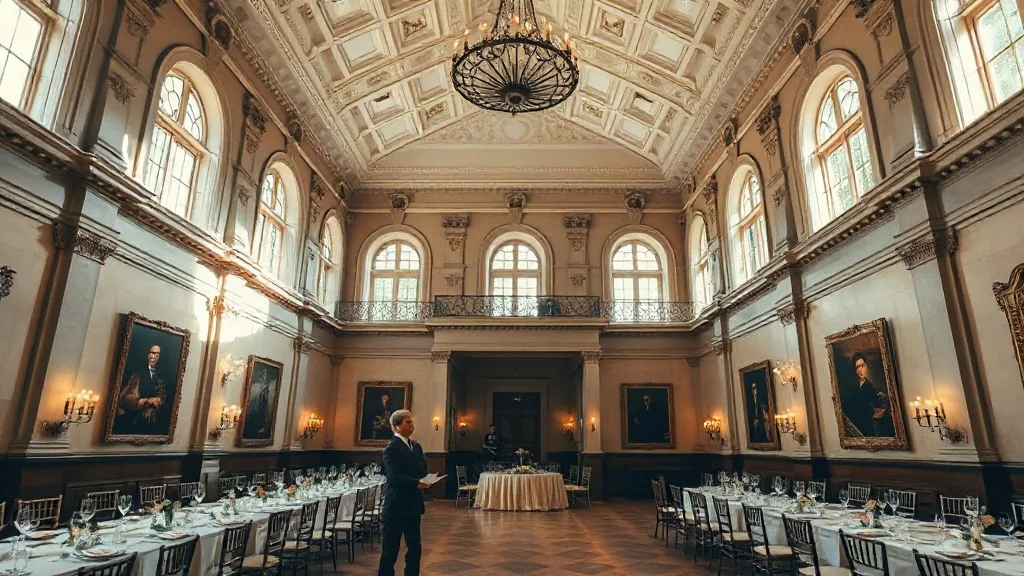
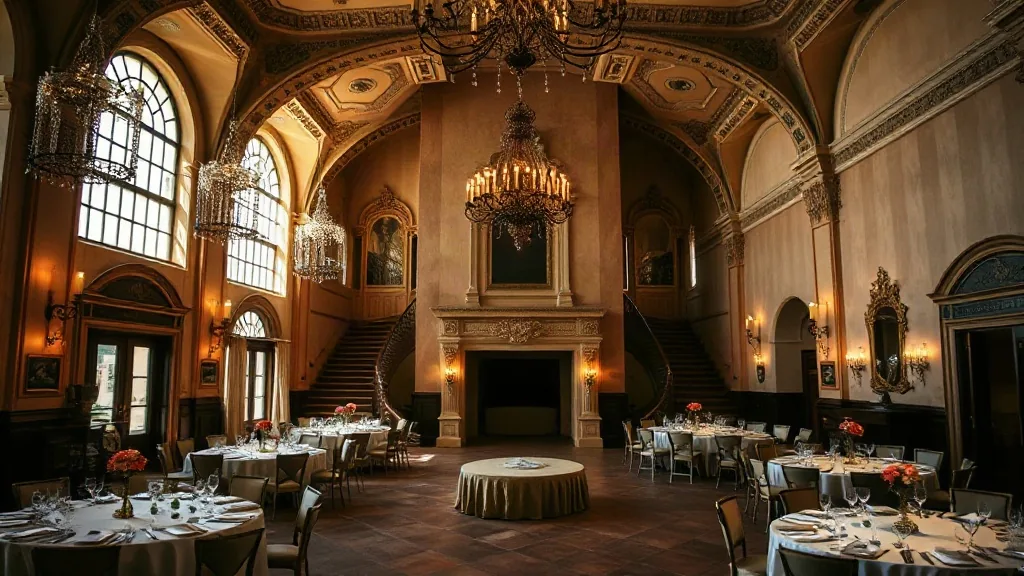
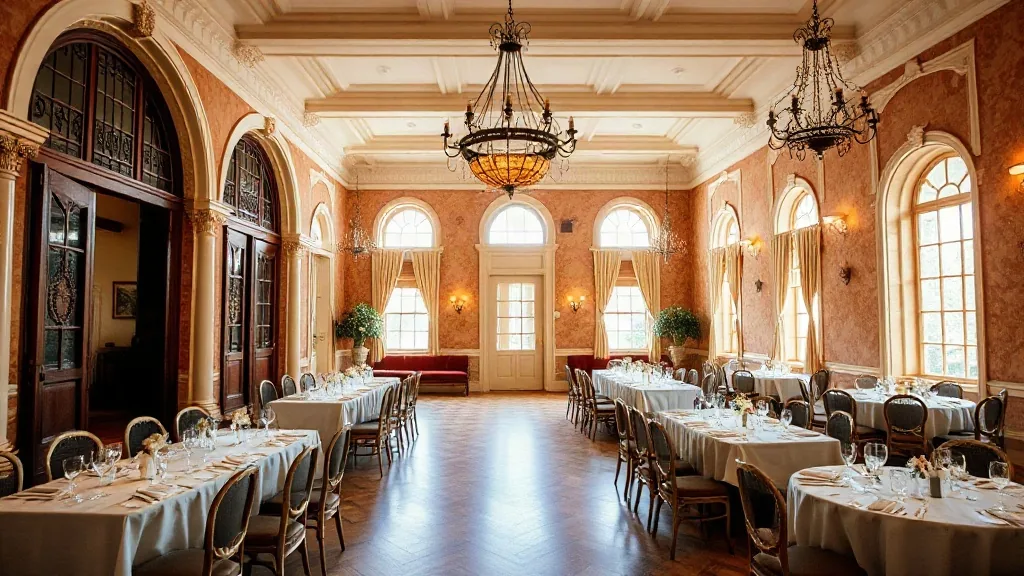
Most planners start with the venue rental fee, but for a group this small, the rental is rarely the hill worth dying on. The real money sits in the food and beverage minimum, often called the F&B minimum internally, and it behaves differently at the twelve-person scale. A private dining room for twelve in a historic mansion, the kind listed on a site like this roundup, will more likely quote you between $1,500 and $3,000 depending on the city tier and the night of the week.
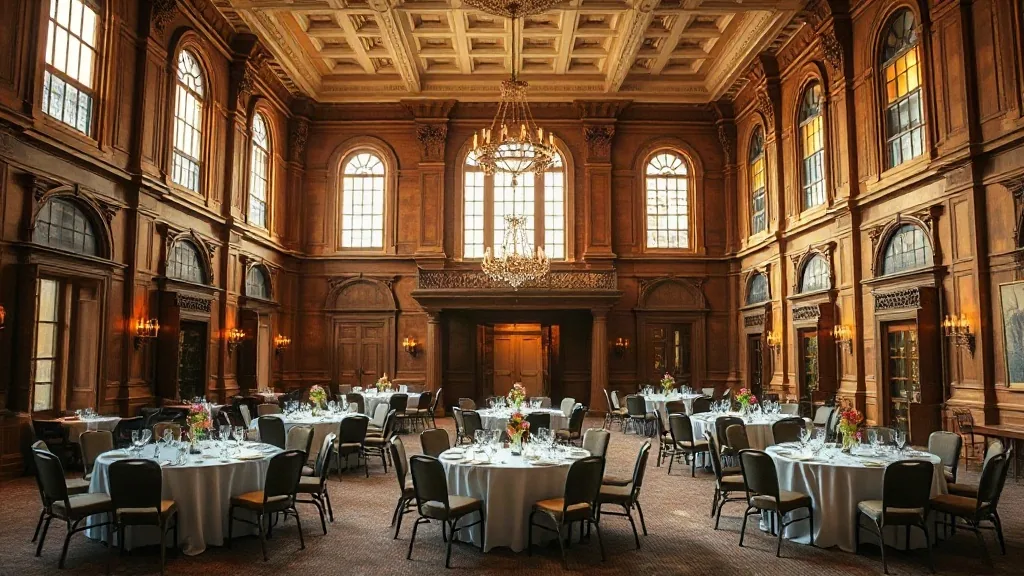
My tactic is to negotiate the two numbers as independent variables. I tell the catering director straight: we will happily meet that $2,200 minimum on food, but we don’t want your standard banquet chicken. For a twelve-person group, I ask for a customized tasting menu at a fixed price per head, usually $95 to $140, and I ask them to toss in the welcome cocktail hour against that minimum. This gives the venue revenue certainty and gives you room to push for menu changes later.
One concrete rule I never break here: get the minimum stated as a dollar amount that scales if your headcount drops. A colleague of mine booked a villa with a $2,500 minimum based on twelve guests confirming. Two executives had a last-minute compliance training conflict, and the venue held to the full $2,500 for a ten-person dinner. That’s $250 a head for a meal that was quoted at $120. The contract now, for every retreat I plan, includes a line that says the minimum reduces proportionally if attendance falls below a stated threshold with seven days’ notice. Most venues agree to this if you ask politely, but it has to be written in before you sign.
Private audio and screen setup is where the budget doubles
For a twelve-person finance or healthcare retreat, I almost always book a room within a historic mansion in Washington, DC or similar properties depending on the client’s base, and these old buildings have their own AV quirks. The walls are thick plaster, the wiring runs are long, and the wifi router often sits in a closet two rooms away. Plan for a hardwired presentation connection, not a wireless cast, because the mansion’s stone walls will kill a Bluetooth signal mid-sentence.
Budget for a dedicated speakerphone or a high-quality conference mic array. A twelve-person room with one laptop speaker means nobody in the back can hear the remote counsel in New York. Good mic arrays run from $200 to $600 to rent, and a proper display, a 65-inch screen at least, runs between $350 and $800 for a day. That is your real AV cost. The venue’s in-house basic package, typically a projector and a tiny speaker bar, will leave you embarrassed.
I also ask the venue to include a timed coffee and tea refresh at the ninety-minute mark, independent of the main food minimum. The coffee break math trick applies at double strength here because you are paying for a dedicated attendant’s time, not just a self-serve urn. A self-serve urn costs about $40. An attendant who clears cups and keeps the carafe full costs closer to $85 an hour, and for a meeting of twelve where the CFO is talking, you want the attendant handling the pot, not the intern.
Lodging and the schedule should assume people will arrive late
The biggest scheduling error I see from newer planners is assuming the retreat starts when the agenda says it starts. For a twelve-person executive group, these people have separate calendars, personal assistants and conflicting board meetings. I once booked an offsite for a healthcare client at a Rhode Island mansion property and we lost two hours because three executives had flight delays, and the agenda assumed they’d be there for the morning strategic session.
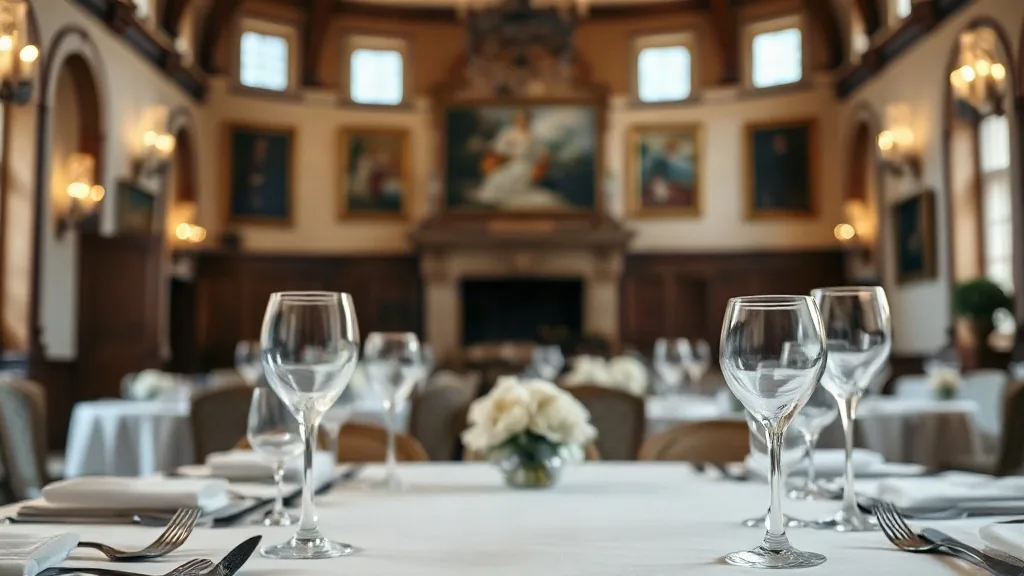
Here is the rule I now live by: build the first two hours, from 9 a.m. to 11 a.m., as an open working block with no plenary content. Heavy catering arrives at 9, coffee service runs until 11, and the room has stations for people to review documents or take calls. The substantive agenda does not begin until everyone is seated. You waste the money on a brunch spread, typically $65 to $85 per head, but you save the retreat itself from a stilted start where the early birds sit staring at empty chairs.
Lodging presents its own rule shift. With twelve attendees, you rarely fill an entire hotel floor, so you lose the guaranteed room block concessions you get with fifty rooms. Instead, I ask the venue for a courtesy block of just eight to ten rooms, and I negotiate the comp-room policy differently. Rather than asking for one free room per thirty paid, standard at larger events, I push for a single comp suite that will serve as the breakout and hospitality space. A suite at a mid-tier property runs $350 to $600 a night, but renting it as a meeting space would cost much more, so it is usually an easy give for the sales manager.
The contract is about cancellation, not just the price
For every small group I book, I negotiate a two-tier cancellation clause. If they cancel between 60 and 30 days out, they owe twenty-five percent of the estimated total. Between 30 and 14 days, that climbs to fifty percent of the food and beverage minimum, and inside two weeks it’s the full amount plus any printed materials already shipped. Venues accept this tiering readily because it outperforms a rigid full-amount policy that makes clients gamble on holding the date. I learned this lesson while booking a Kentucky mansion for a client who moved the event twice within a month; the tiered approach kept the relationship civil and the deposit partially refundable.
A second contract element worth fighting for is the right to bring your own external facilitator or AV vendor without a penalty. Many historic venues have a preferred vendor list that operates less transparently than it should. Their in-house mic guy charges a premium, and their cake vendor charges double the bakery price. I ask to substitute one vendor, usually the AV tech, and to see the list in advance to confirm there’s no exclusive catering clause. Find a venue without that heavy-handed list, and you simplify the negotiation entirely. This matters for a retreat because your facilitator is often a specialist your client already knows and trusts, and forcing them to use an unknown venue contractor undermines the session.
A final thought on process rather than space: hold the money conversation early. For a twelve-person event, you are likely talking about a total budget between $8,000 and $18,000 including lodging, meals, AV, and a private room. That’s a meaningful number to a venue, but not large enough to absorb waste. Be direct about the dollar figure you are working within during the first inquiry. You will find the venue’s tone shifts helpfully when they know they’re competing for a firm fifteen-thousand-dollar booking of a Tuesday through Thursday window, and they will show you a better room than the one they first floated.
Now tell me about your group. What’s your target headcount, and are you aiming for a specific quarter or a tight date window? I have saved notes on a few venues that handle this size well, and I’d rather talk through your constraints than send you a generic list.