The venue that failed its own fire inspection three days out
A policy forum for 340 lost its venue when the fire marshal failed the building three days before load-in.
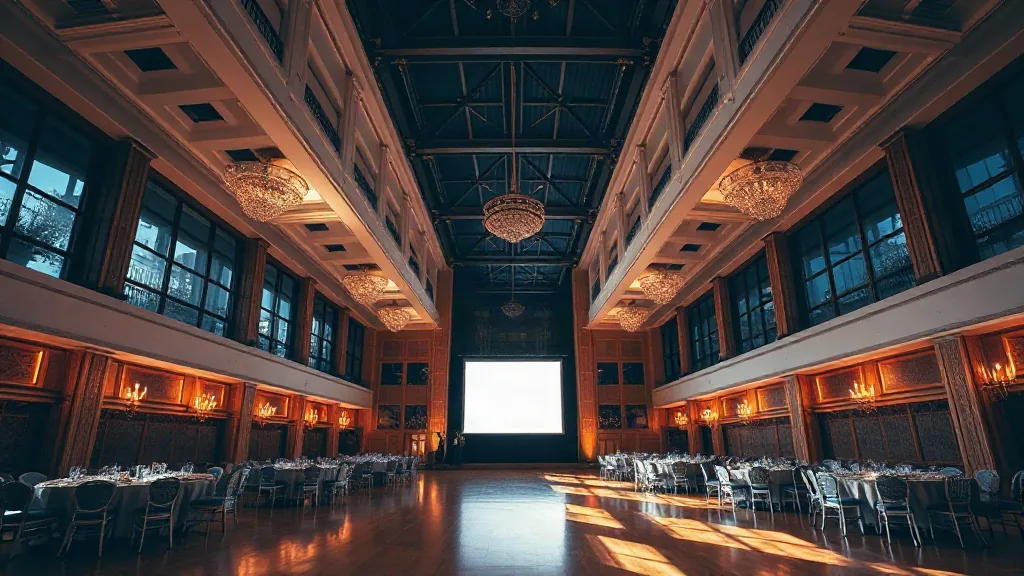
I got the call eleven days out from a 340-person policy forum in Northwest DC. The venue’s sales director said the fire marshal had failed their annual inspection with three days to spare before our load-in. We had a signed contract, a $58,000 food and beverage minimum already half met, and a room layout that put three breakout sessions inside the same building.
The contract had a clause about “life safety compliance”, which meant nothing specific
You can look through the banquet halls in Leesburg, Virginia if you’re willing to drive 45 minutes west of the District for a backup option with lower rates. For the event in question, we didn’t have that luxury; every comparable ballroom inside the Beltway was already committed because it was peak association season.
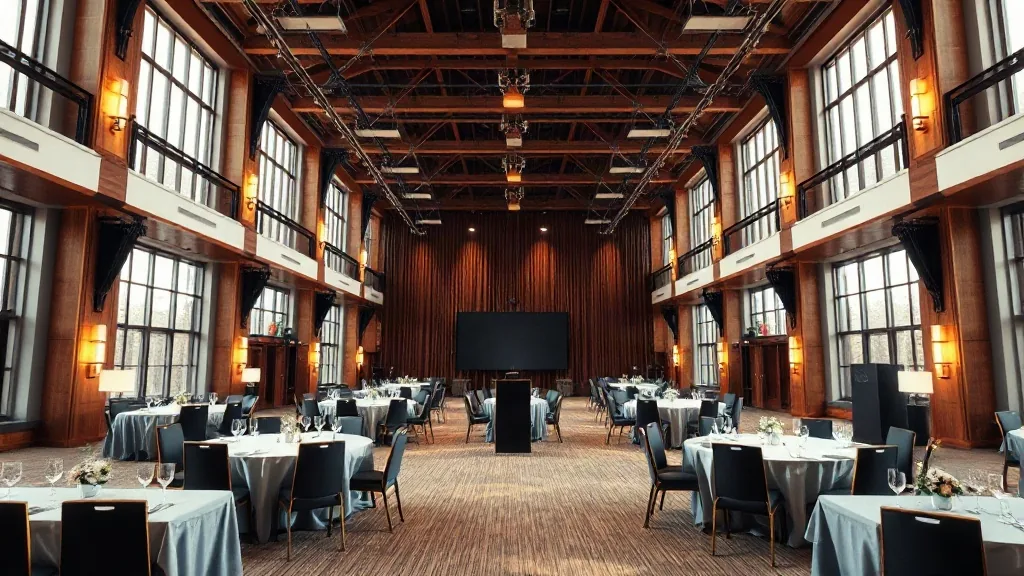
We had to move the whole meeting. Five breakout sessions, the general session, the networking dinner. The fire marshal had flagged an exit corridor and a sprinkler issue in a lower-level meeting room, not the main ballroom, but the building’s occupancy permit did not differentiate. We learned this at 4:00 pm on a Thursday.
The move cost us $14,700 and taught me about load-in flexibility
We relocated to a conference center on K Street that had a cancellation two weeks prior. Their sales manager quoted us a day rate of $9,200 plus $3,400 in labor and AV reconfiguration because our original technical rider called for a stage riser they didn’t stock. The remaining $2,100 went to a logistics company to shuttle printed signage, registration materials and sponsor banners between the two buildings on Friday night.
The comparison that haunts me is what we would have paid with more warning. When I booked a backup hall in El Paso, Texas for a different client last fall, I got a same-building overflow space for a $1,800 hold fee that converted to credit if unused. Contingency space is cheaper when you purchase it as part of a package. Our DC rescue was a distress purchase and the quotes reflected it.
Find venues that offer you a load-in window longer than the standard six hours. The original venue’s contract allowed load-in from 6:00 am to noon on event day. The replacement gave us the entire prior evening at no additional charge because their events team saw the emergency as a chance to earn repeat business. That saved us overnight labor costs and let our exhibitors set up at a sane pace.
We also changed the floor plan on the fly. The replacement room was 120 feet long versus 90, which meant our back two breakout rooms ended up inside the main hall behind curtain walls instead of as separate spaces. Sound bled through and a couple of attendees complained about hearing the lunch keynote during a workshop on federal advocacy strategy. I negotiated a $900 credit for that but it didn’t fix the annoyance.
What to ask during the site walk before you commit
Look at the exit signage yourself. Count the exits from every room you plan to use. My standard list now includes checking that corridor doors don’t have push bars on the exterior side, verifying the posted occupancy limit aligns with your headcount for that specific room, and asking where the fire alarm panel lives. A venue that can’t show you the panel location in under a minute isn’t ready for a 300-person day.
Ask about kitchen fire suppression systems only if you’re using the house catering. Underwriters and fire marshals expect annual inspections on those systems. DC venues that self-manage food often have documentation ready. Venues that outsource to a third-party caterer sometimes have gaps because the caterer assumes the venue handles it and the venue assumes the opposite.
This is also the moment to clarify max capacity numbers. A space listed at 400 banquet style usually assumes dance floor clearance and stage placement that differ from your actual layout. We photographed this replacement K Street hall on Thursday and signed on Friday morning with only a single confirmation email of the room dimensions. I was lucky it matched the quoted square footage.
The site walk should include the loading dock and the path from it to your room. Truck turnaround area matters more than any chandelier. If a loader can’t back in and clear the dock door without hitting a dumpster, your exhibitor setup falls behind schedule before a single banner goes up.
Questions about insurance and liability after the failure notice
The legal side matters and my experience is limited to what association compliance teams tell me, so confirm the specifics with your own counsel because the rules vary by jurisdiction and firm. What I can report from practice: when your venue loses occupancy, your event insurance policy often contains an exclusion for venue-caused closure that shifts the financial burden onto you. One of my clients, a national trade association based in Rosslyn, insists on additional insured status on the venue’s property policy as a non-negotiable contract requirement.
Inquire about force majeure language that covers government-ordered closures. Fire marshal suspensions sometimes count as a governmental action under those clauses, which can let the venue off the hook for returning your deposit. You want language that treats a compliance failure as the venue’s breach, not an act of God. My go-to line in contract review meetings is that a failed fire inspection is not weather; it is maintenance, and maintenance is their responsibility.
On the practical side, confirm whether the venue carries business interruption insurance that covers your event costs as a third party beneficiary. Most policies don’t extend to you automatically. A venue with a responsible events manager can often get a certificate naming you as an additional insured within two business days. The K Street replacement did this for us without even being asked, which tells you they had done it before.
Call me with your headcount and your date before you pick a room
The venue industry doesn’t advertise failure rates and I’m not going to pretend every property is equally safe. What I can tell you is that asking direct questions about inspection dates and occupancy certificates gets you a better class of venue because the operators who care about operational basics don’t flinch at those questions.
Tell me your expected attendance and your target date. I have comparative notes on DC properties that pass audits cleanly year over year and I’m happy to share which ones I trust for a 200-person session versus a 500-person dinner, along with the real fire inspection stories behind those recommendations. Send me the approximate budget you’re working with and the neighborhoods your attendees will be coming from.
If your event is a smaller gathering, consider checking the banquet halls in Superior, Wisconsin or Oshkosh, Wisconsin where inspection cycles run tighter because the venues are older and the marshals are familiar with every building in town. For a Tennessee-based crowd, the banquet halls in Cookeville, Tennessee have fewer postponed inspections than any market I’ve worked. These aren’t glamorous suggestions but they’re boring and reliable, which is the entire point after a week like mine.
One final note: follow up on your post-event surveys to ask whether attendees noticed the speaker audio quality, because that’s usually where fire inspection delays surface as a secondary complaint long after the hall opened. The survey response rate will hover in the single digits but the comments tell you more than the scores for what actually happened in the room.
Try the Philadelphia conference center roundup from the 2026 cycle if you need evidence that checking the inspection track record belongs on the same checklist as comparing room rates and meal package prices. Different building, same lesson.
Send me your numbers. I’d rather know your headcount on a Tuesday than rescue your agenda on a Thursday ever again.