Building a contingency line your finance team will approve
A contingency line needs a number, not a wish, before the elevator breaks.
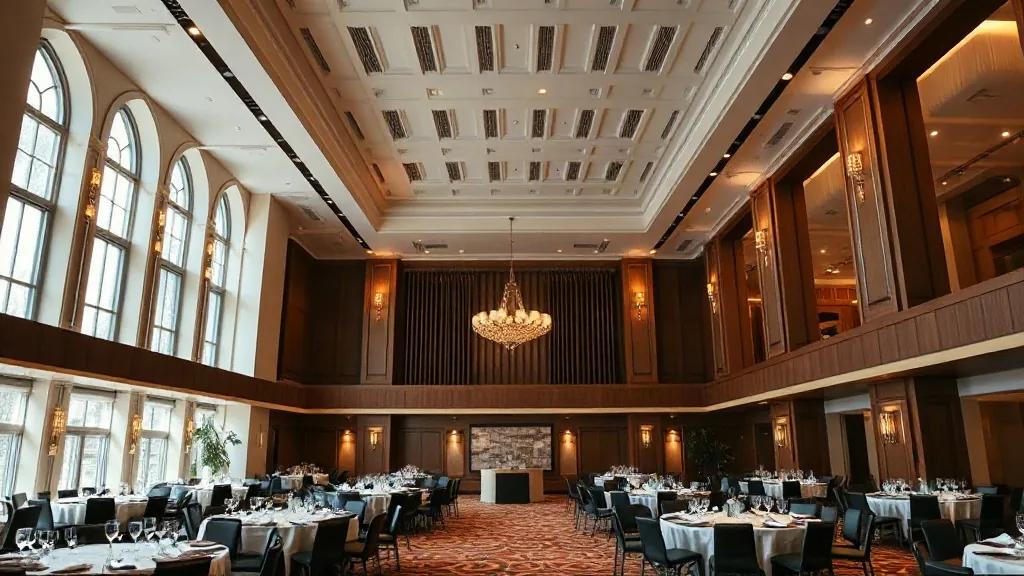
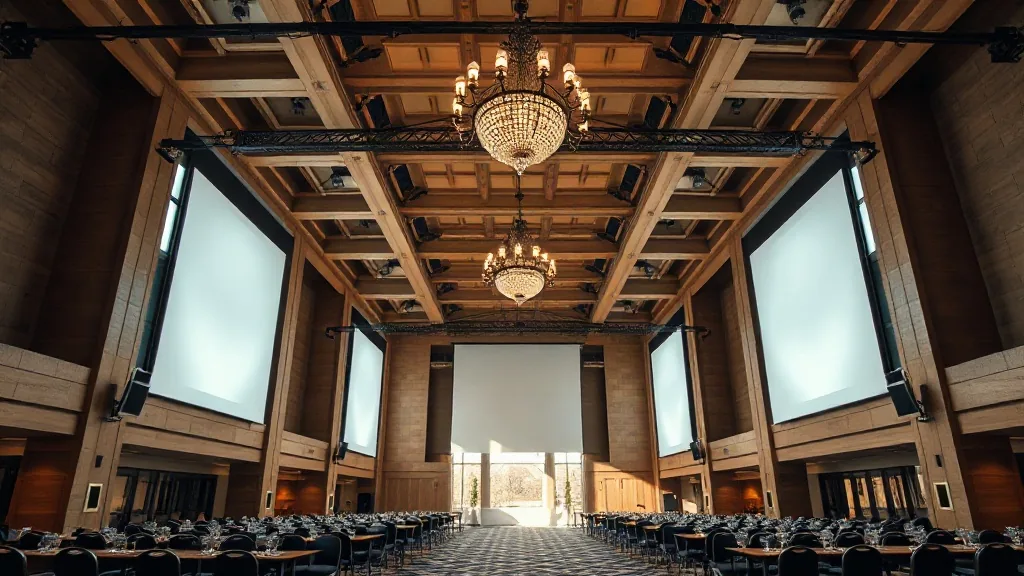
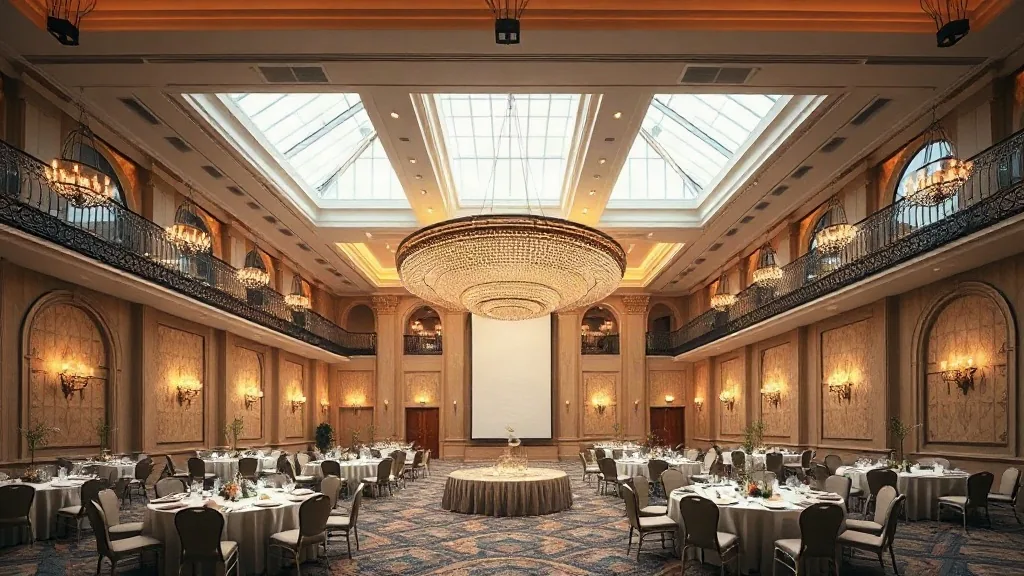
I was standing in a ballroom in Schaumburg with 900 chairs empty and a half-built stage when the client’s finance director asked me a question that stopped the whole room: “What happens if the freight elevator breaks and the audio cart sits in the lobby?” No one had a number for that. The producer had spent $214,000 of a $220,000 budget and had nothing left for the one problem that actually came up two hours later, when the cart’s casters jammed on a loading dock threshold. That was the day I stopped treating contingency as a line item and started treating it as a negotiation, because your finance team isn’t saying no to risk. They’re saying no to vagueness.
What finance actually audits when they open your budget
The first thing they check is whether your contingency is a percentage of the total or a real set of probabilities. Saying “10 percent for emergencies” invites the obvious counter, which is that 10 percent of a $200,000 budget is $20,000 of unallocated money sitting in a spreadsheet. A better approach is to split your risk fund into three named buckets: vendor substitution, site failure, and scope creep. Each of those has a different probability curve and a different dollar figure attached to it. For an investor day event planning playbook with eight speakers and a live demo, I’d typically budget $6,000 to $12,000 for speaker and AV substitution alone, because that’s the bucket where last-minute cancellations actually land.
Second, finance wants to see your contingency connected to a trigger. A line item with a trigger phrase like “if the venue confirms the second power drop, release $2,000 of the reserve” shows them you’re not planning to just spend the money because it exists. I write these triggers into the budget notes alongside the contract. Most of my corporate clients in Franklin, Tennessee, where I do a lot of work for healthcare and logistics firms, will not release a contingency dollar without a signed change order and an email trail.
Build the line as three named buckets, not one lazy percentage
Bucket one is vendor substitution, which covers the speaker who tests positive for something, the caterer whose walk-in cooler dies, or the AV company that overspecs your rig and then backs out when you push back on price. I wrote a whole guide about how AV companies want to overspec you, and that’s a real cost risk, because the vendor you reject on price Thursday is often the one you need to call Friday when your primary backup has a truck problem. For a 300-person event, I carry between $4,000 and $7,000 in this bucket. For a 100-person strategy offsite in Somerset, Kentucky, that number drops to $2,500, but it’s always there.
Bucket two is site failure, which is physical: power drop dead, freight elevator down, HVAC failure in July, or the venue double-booking your ballroom because their banquet hall software glitched. This bucket is where venue selection mistakes get paid for twice. You can read rates for every banquet hall on any booking platform, but the rate card won’t tell you that the building has a single-point power failure risk because the property is from the 1970s and the panel was never upgraded. My rule is to carry one to three percent of total budget for site issues, but only if I’ve physically walked the building. If I haven’t, I double it.
Bucket three is scope creep, which is the sneakiest one and the reason a finance director distrusts contingency in the first place. The executive who wants a second rehearsal dinner, the stakeholder who adds a live stream an hour before doors, the client who decides the buffet needs a carving station for 400 guests. That’s not risk, that’s poor change management. But it always lands in the contingency line because no one wants to tell the founder no. I cap that bucket at a smaller number, often $3,000 to $5,000, and I make the release process require two signatures.
The negotiation script that gets a yes in one meeting
When I sit down with a finance team, I don’t lead with the risk story. I lead with the cost of the risk coming true, and the math of a fully baked failure. One of the best negotiations I’ve seen was for an investor day in Salt Lake City, where the production company had priced a $38,000 primary AV proposal, and my client balked. Rather than cut the quote, I asked the venue what their internal AV package cost and discovered the markup on a projector was 800 percent.
The script has three moves. First, you present the range, not a single number. Say “I expect vendor substitution to cost between $4,000 and $7,000 based on the market rate for a backup keynoter in this region.” That gives finance a range to evaluate, which feels like a collaboration rather than a demand. Now I keep a spreadsheet of backup speaker quotes for every tier of venue I use, from banquet halls in Hobbs, New Mexico, to conference centers in the Bay Area.
Third, you offer a clawback clause in your own proposal document. Write that any unused contingency above 50 percent gets returned to the client’s budget as a credit against final billing. That’s a brutal negotiating lever, because your finance team will immediately see you as aligning your incentive with theirs, and it kills the argument that you’re padding the package. I’ve never had a finance director take me up on it, and I’ve never had one turn down the proposal once it was on the table.
How the size and city of your event change the reserve
Contingency math is not one formula, and pretending it is will get you rejected. The reserves that make sense for a 2,000 person conference in a Midwest City, Oklahoma, convention center look absurd for an eight-person board dinner in a private dining room, and the risk areas are completely different. For large multi-day programs, the biggest risk is labor and venue shift penalties, which can eat a reserve at $50 to $90 an hour per crew member. For events under 100 people, the bigger risk is that one critical vendor fails and there’s no redundancy in the market.
Geography changes it too. A banquet hall in Scranton, Pennsylvania, is going to have a totally different labor pool and weather risk profile than a property in the Bay Area, where I can’t assume a generator will arrive from a vendor that’s two hours away through bridge traffic. When I’m working in a second or third tier market, I pad the vendor substitution bucket by 30 percent, because there’s no backup choice within a short drive, and the moment you need an emergency replacement they know they have you cornered.
The last variable is timing and seasonality. A May wedding season bleed into corporate events means every decent crew and venue is double booked, so the probability of substitution spikes. I wrote about this exact issue before, the way a hot spring wedding calendar affects corporate short lead times, and the usable data point is that contingency gets priced as much by calendar date as by the event itself.
Finance doesn’t fight numbers on these variables, because their own forecasts have seasonal models. Use their language and they’ll approve the line. Every event is different, and my specific percentage is not your specific percentage. The honest answer is that reserve lines range from 5 percent to 15 percent depending on all the variables above.
What’s your headcount for the program you’re scoping right now, and what date are you targeting to have that budget locked with finance? Send me the brief and I’ll tell you which bucket needs beefing up, and which one you can probably trim.