Theater vs Conference Center for a Product Launch: the Stage vs Flex Room Decision
Fixed raked seating in a theater commits you to a presentation format. Flex rooms let you run demo stations and breakouts. Which is right depends on your launch format and headcount.

I spent seven years on the AV side before moving to consulting. I’ve wired both formats for product launches. The theater looks better in the promotional video. The flex room produces more qualified pipeline.
That’s not always true. But it’s true often enough to be worth a real comparison.
What a Theater Does to a Product Launch
A performing arts theater or lecture theater puts every seat facing a single stage at a fixed angle. The audience cannot move. The presenter cannot be anywhere except the stage. The format is a keynote, with maybe a Q&A session, and then everyone leaves.
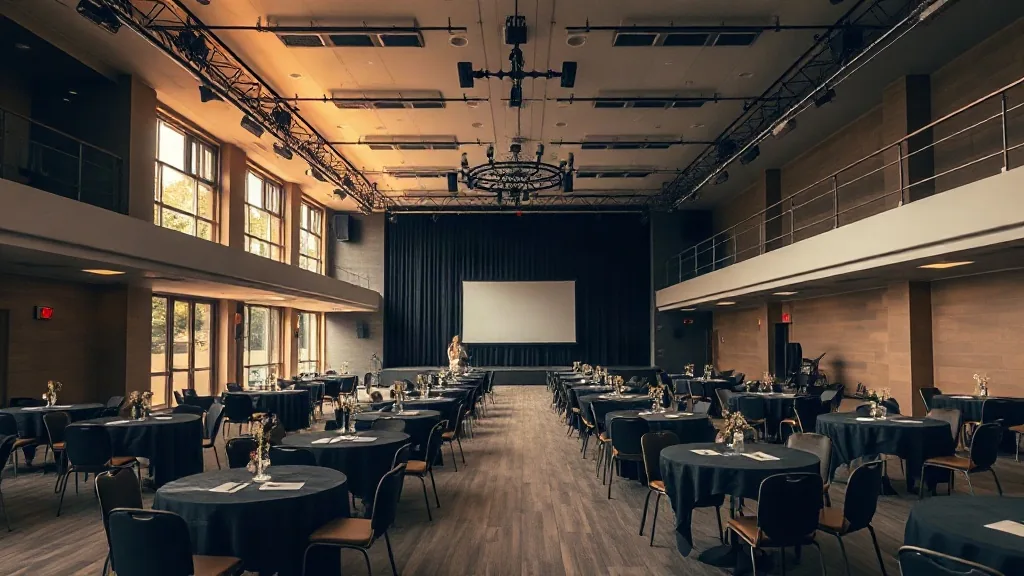
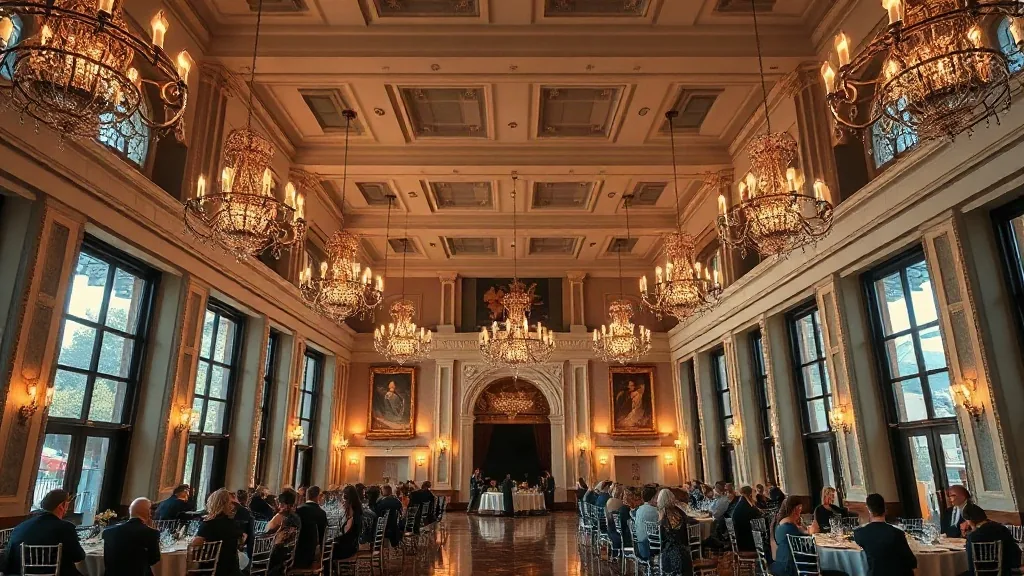
This format is right for two scenarios. First: you’re launching to the press or the analyst community and the launch is primarily a media moment. The theater communicates production value and seriousness. Journalists and analysts will write about the product they saw on a stage. Second: your headcount is above 300 and you need every person to see the same moment simultaneously. A product launch moment for 400 people requires a fixed configuration because a flex room at 400 people is a convention hall, not a launch venue.
For anything below 300 people and anything involving hands-on interaction with the product, the theater is the wrong choice. The architecture forecloses the format.
What a Flex Room Does
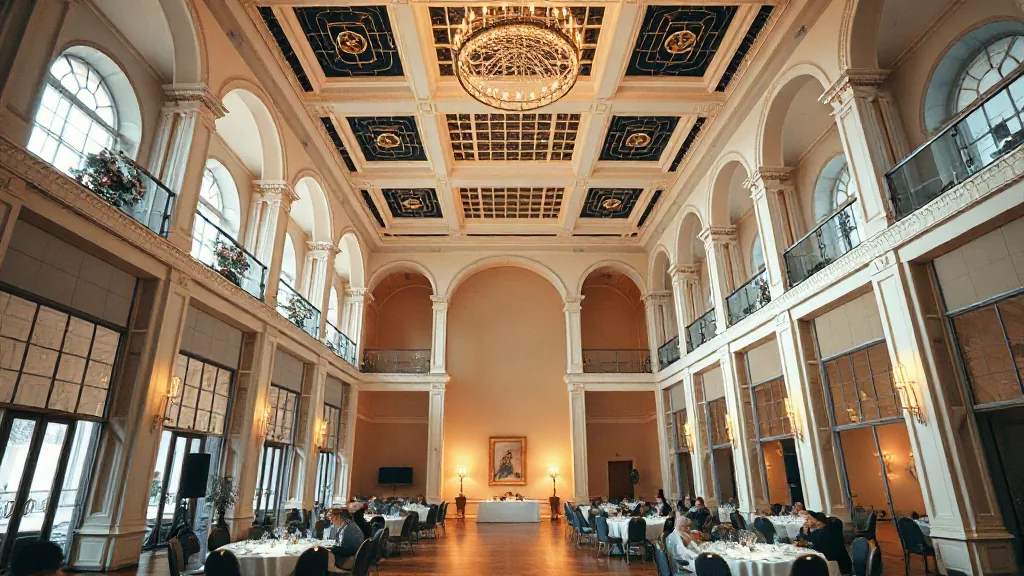
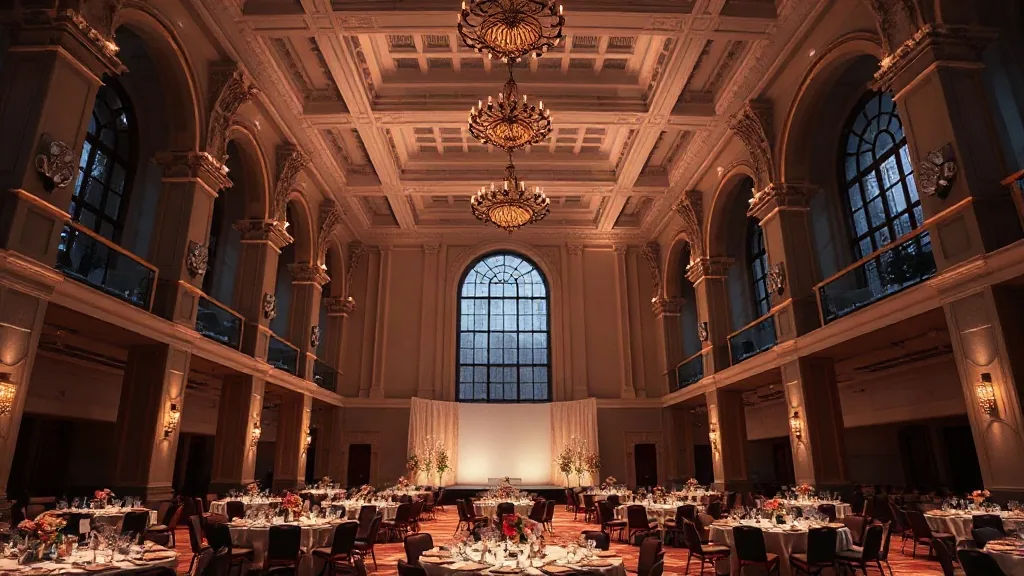
A conference center’s general session room or a hotel ballroom in flex configuration gives you a flat floor, movable furniture, and the ability to run multiple activation zones simultaneously.
For a 150-person product launch where 60% of the value is in attendees touching and experiencing the product, you can run a 45-minute general session presentation in theater setup (chairs facing a screen and podium), then transition the room in 20 minutes to demo station mode (tables and product units around the perimeter, staff at each station, drinks in the center). That format produces 45 minutes of direct product experience per attendee. A theater produces zero.
The conversion argument is straightforward: attendees who interact with a product for 45 minutes are 3-4 times more likely to take a next step than attendees who watched a 45-minute presentation. I’ve seen this comparison play out in the pipeline numbers from two consecutive launches for the same client: theater format, 22% of attendees scheduled a follow-up call. Flex format next year, 31% did.
AV Cost Comparison
Theater AV is more expensive for production value and cheaper for basic coverage. A 300-seat theater has a built-in sound system, theatrical lighting, and a projection or LED screen infrastructure that’s already installed. You’re operating what’s there, not building a system. AV production for a standard 150-person launch in a performing arts theater: $14,000-$22,000.
A flex room at a conference center or hotel requires the AV company to build the system. They bring in truss, speakers, screens, and lighting from a truck. The same 150-person launch in a flex room at a hotel with built-in AV: $9,000-$16,000. At a standalone flex space without in-house AV: $16,000-$28,000.
If the theater has everything built in, it can actually be cheaper. If the flex room is at a hotel with included in-house AV (even mediocre in-house AV), the hotel wins on cost.
| Venue Type | AV for 150-person launch | Setup time | Strike time |
|---|---|---|---|
| Performing arts theater (built-in system) | $14,000-$22,000 | 3-5 hours | 2-3 hours |
| Hotel ballroom (in-house AV) | $9,000-$16,000 | 2-4 hours | 1-2 hours |
| Conference center (in-house AV) | $10,000-$18,000 | 2-4 hours | 1-2 hours |
| Raw flex space (external AV vendor) | $16,000-$28,000 | 5-8 hours | 3-5 hours |
The Stage vs Flex Decision by Launch Format
| Launch Format | Theater | Flex Room |
|---|---|---|
| Keynote announcement (media, analysts) | Yes | No |
| Partner briefing (demo + conversation) | No | Yes |
| Customer advisory board + hands-on | No | Yes |
| Sales force launch (team training + product) | No (unless 300+) | Yes |
| Press event, high production value | Yes | Sometimes |
| Under 200, hands-on product demo required | No | Yes |
| Above 300, single simultaneous moment | Yes | Difficult |
The Specific Situation Where Theater Is Undeniably Right
A software product launch for investors and press in San Francisco where the message is that your company has arrived. The theater is a signal. The production value of walking into a 400-seat venue where every seat is filled, the lighting hits the screen perfectly, and the presenter commands the stage: that signal travels into the press coverage and the analyst note.
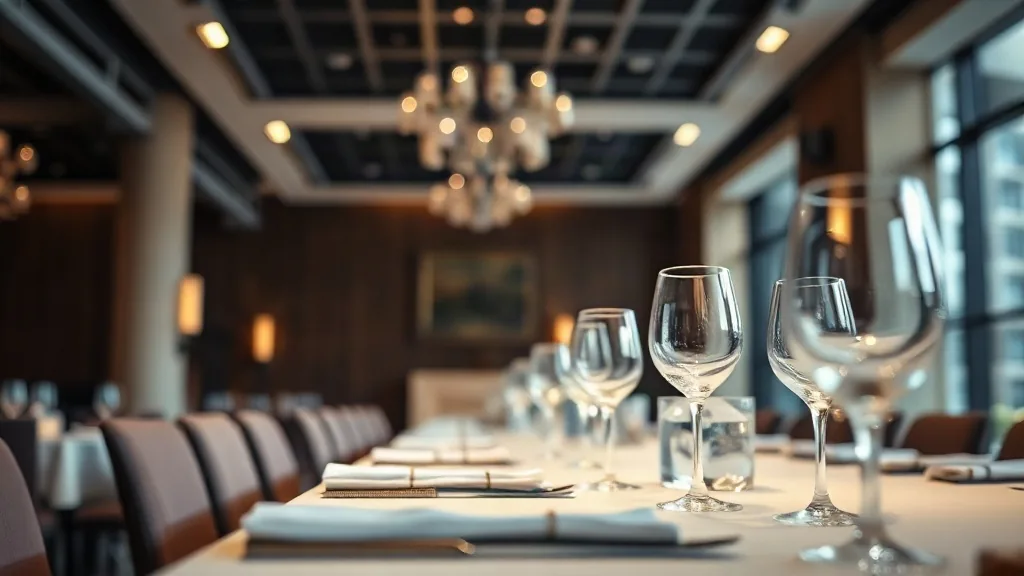
If your launch is a signal to the market rather than a hands-on customer experience, the theater earns its price.
The Load-In Difference That Compounds
A performing arts theater schedules its load-in windows around its own programming. If the theater has a performance the night before your product launch, your load-in window may start at midnight after the performance ends and the theater is struck. That means your AV crew, your production manager, and your set designers are working through the night for a morning launch.
A hotel conference center or standalone flex room gives you a load-in window that starts when you negotiate for it. Most conference centers allow next-morning setup by 6am with prior-day access for pre-staging. You control the timeline rather than working around the theater’s program calendar.
The overnight load-in at a theater adds $2,000-$4,000 in AV labor at overtime rates and creates a fatigued production team for the actual launch. If your launch requires complex set design or custom staging, this schedule constraint matters.
Budget Allocation by Format
For a 150-person product launch, the budget distribution differs significantly between formats:
| Budget Category | Theater (percentage of total) | Flex Room (percentage of total) |
|---|---|---|
| Venue | 18-25% | 10-18% |
| AV production | 30-38% | 20-30% |
| Experience design (demo stations, interactive elements) | 5-10% | 25-35% |
| Catering | 25-30% | 25-30% |
The theater format puts money into the venue and AV. The flex room puts money into experience design and interaction. Which allocation matches your launch goal tells you which format to choose before you look at a single venue.
Browse theaters and performing arts venues available for corporate events and conference centers for product launches to compare what your city offers. For the AV scope and production brief that separates these formats, see how to scope AV for a conference and how to brief an AV vendor.
What’s your launch format: presentation moment or hands-on experience? And what’s your headcount? Those two facts determine the answer.