
Union-labor cities and what it does to your load-in bill
In a union house you do not touch your own gear. The stagehands do, at posted rates with minimum calls and overtime rules that can double a load-in bill. Here is how the labor math works and where it is negotiable.
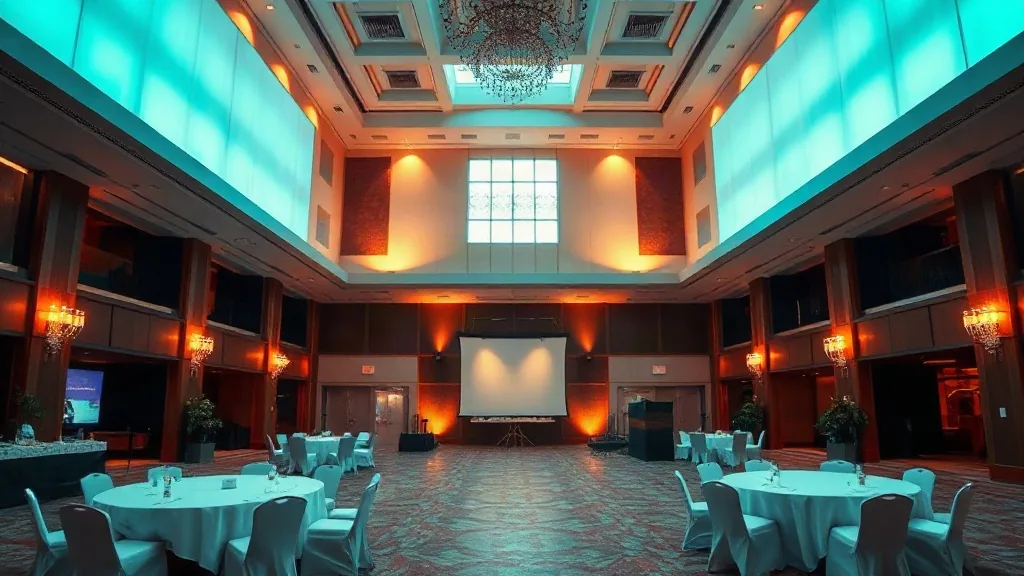
The first time I ran an association general session at a union convention center in Chicago, my AV lead reached down to move a road case six feet and a steward stopped him. Not rudely, just firmly. In that building, moving that case is a stagehand’s job, and my crew touching it could have shut the call down. I learned the rules the hard way, and the labor line on that event came in $11,000 over what the same show cost me in a right-to-work city the year before.
Union labor is not a scam and it is not a villain. It is a cost structure, and if you plan around it the number is predictable. If you plan against it, you pay penalties you never budgeted. The difference is knowing which city you are in before you write the estimate.
What a union house actually requires
In a union building, the labor to load in, rig, run, and load out your event is performed by the house’s contracted crews, at rates set by the collective bargaining agreement. You do not bring your own hands to do that work, and you often cannot do it yourself. The relevant trades are stagehands for staging and rigging, electricians for power and lighting ties, sometimes a separate audio local, and decorators or teamsters for freight and material handling.
Each trade comes with three cost drivers that do not exist in a right-to-work setup. Minimum calls, usually a four or five hour minimum whether the work takes 30 minutes or the whole block. Overtime rules, time-and-a-half after eight hours and double-time on certain hours, weekends, and holidays. And gang sizes, a minimum crew count for certain tasks, so a small rig might still require four people because the agreement says a four-person gang rigs.
Where the bill balloons
The killer is not the hourly rate, it is the structure. A stagehand at $75 an hour sounds manageable until you add it up. A five-hour minimum call for a 45-minute set means you pay for five hours. A load-out that slips past midnight because your gala ran long tips the whole crew into double-time, so that last hour costs 4x the straight rate across the whole gang. Stack minimum calls plus overtime plus gang minimums and a load-in you priced at $6,000 in a non-union city lands at $14,000 in a union one.
The scheduling detail that saves the most money is your load-in window. If your window forces the crew into a split call, they leave and come back, and you may pay two minimum calls in one day. Design the window so the work is continuous. A single tight, well-planned block is far cheaper than a loose schedule that keeps the crew idling on the clock.
The math that surprises finance committees
I put a comparison in front of my board treasurers because they see the AV bid and assume the labor is folded in. It rarely is at full union rates. Straight AV equipment rental might be $20,000, and the union labor to install and run it another $12,000 to $18,000 on top, in a major union market. In a right-to-work city the same install runs $6,000 to $9,000. That gap is the whole reason a show in one city costs 30 percent more than the identical show 400 miles away, and it is why event staffing cost per role by city tier is the first document I check when I am comparing bids across markets.
Where it is negotiable
Union rates are set, but the total is not fixed. Several levers move it.
Schedule around overtime. Build load-in and load-out inside straight-time hours, weekday daytime, and avoid the double-time windows. A Saturday-night teardown is the most expensive labor you can buy. A Sunday-morning one, before the double-time trigger, can be half the cost.
Right-size the gear. Every additional truss, motor, and rack adds rigging points and rigging points add crew. A leaner design needs fewer hands, and in a union house fewer hands compounds through minimum calls. Design for the labor, not just the look.
Understand who provides labor. Sometimes the house crew is mandatory, sometimes you can bring an AV vendor who supplies their own union-signatory labor at a rate you negotiated. Know which before you sign, because a mandatory in-house exclusive removes your bargaining room entirely. This is the same distinction that governs whether you can bring outside hands at all, and how staffing agencies work for event-day labor covers where that line falls.
Get the labor estimate in writing before you sign the venue. A venue will quote you the room and stay quiet on the labor. Ask for an itemized labor estimate, by trade, with minimum calls and overtime assumptions spelled out, as a condition of signing. If they cannot produce it, the number is a surprise you are agreeing to pay.
The venues where this bites hardest
Convention centers in major union cities, Chicago, New York, San Francisco, Boston, Philadelphia, are the classic case, with jurisdictional lines between trades that catch first-timers. Stadiums and arenas run heavily unionized crews and their rigging rules are strict because the loads are real and the liability is high, so budget the labor as a major line, not an afterthought. Even some warehouse venues that market themselves as raw and flexible turn out to sit under a labor agreement for anything involving rigging or power, so ask before you assume you can run your own load-in.

The steward is your ally, not your obstacle
The habit that saved me the most money in union houses was treating the head steward as a planning partner instead of a rule to work around. On the Chicago job that ran me $11,000 over, I went back the next year and sat down with the steward during the advance, walked my whole load-in plan, and asked where I was creating unnecessary calls. He rerouted my freight so one gang handled the dock instead of two, and moved my rehearsal so the crew stayed in a single continuous block. That conversation took 30 minutes and cut the labor line by close to $4,000, because he knew the agreement better than I ever will and had no reason to volunteer the savings unless I asked. The planners who fight the union house pay the most. The ones who plan with it pay a predictable, defensible number.
The one habit that keeps it predictable
Ask, in writing, before you sign any venue in a city you do not know cold: is this a union house, which trades, what are the minimum calls and overtime triggers, and can you give me an itemized labor estimate for my scope? Four questions. They turn a five-figure surprise into a budgeted line.
Union labor is a cost you plan for, not a fight you win. Schedule around overtime, design lean, get the estimate in writing, and the union city stops being a budget blowout and becomes a number you saw coming.
Send me your city, your rough AV scope, and your load-in and load-out timing, and I will tell you where the labor structure is most likely to bite and which hour of your schedule is quietly the most expensive.


