
We saved twelve thousand dollars by moving the event one week
Same venue, same headcount, same menu. Shifting a 300-person conference from the second week of October to the third cut the bill by twelve thousand dollars. Here is why the calendar moves pricing and how to find the soft week.
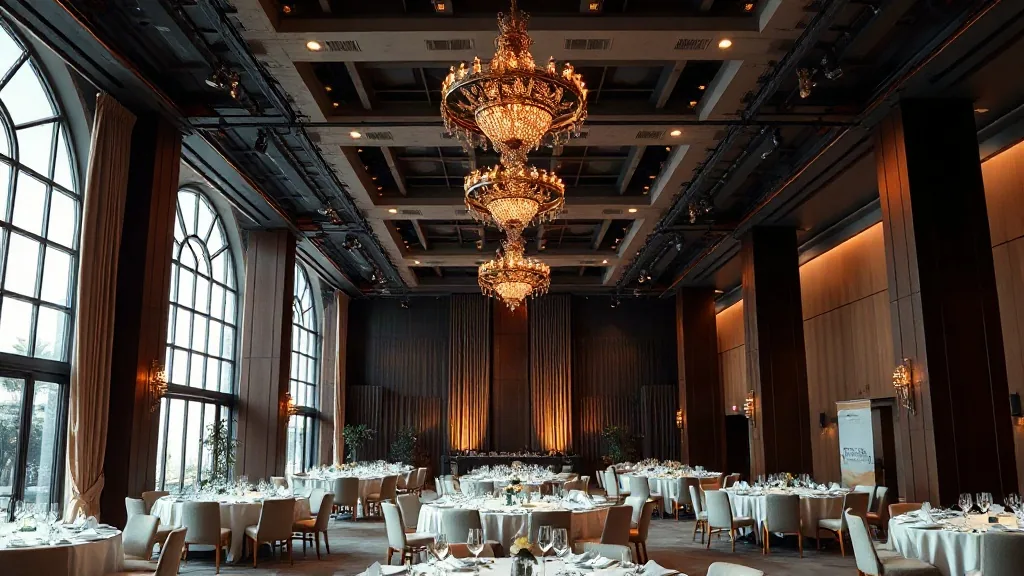
The first quote for our 300-person client conference came in at $58,400 for the venue, room block, and F&B, dated for the second week of October. I asked the sales manager one question: what does the third week look like? She came back two days later at $46,100. Same ballroom, same 180-room block, same two-day menu. We moved the event seven days and saved $12,300, and the only thing that changed was which side of a citywide convention we landed on.
I came up through AV and production before consulting, so I used to treat the date as fixed and the budget as the thing I squeezed. That’s backward. The date is the biggest single lever on the price, and most planners never pull it because the client hands them a week and they treat it as gospel. Sometimes it is. Often the client picked that week for no reason stronger than “October sounds good,” and a one-week shift is the cheapest $12,000 you’ll ever find.
Why one week moves the number that much
Hotel and conference pricing is not a fixed rate card, it’s yield management, the same system airlines use. The venue’s revenue team looks at how full the building already is on a given date and prices your event against that demand. Land your event on a week when a big citywide convention is in town and every hotel in the market is near capacity, and you’re bidding against a full house: high room rates, hard F&B minimums, no flexibility on the ballroom rental. Move to a week where the same building is half-empty, and suddenly the sales manager needs your business and the whole quote softens.
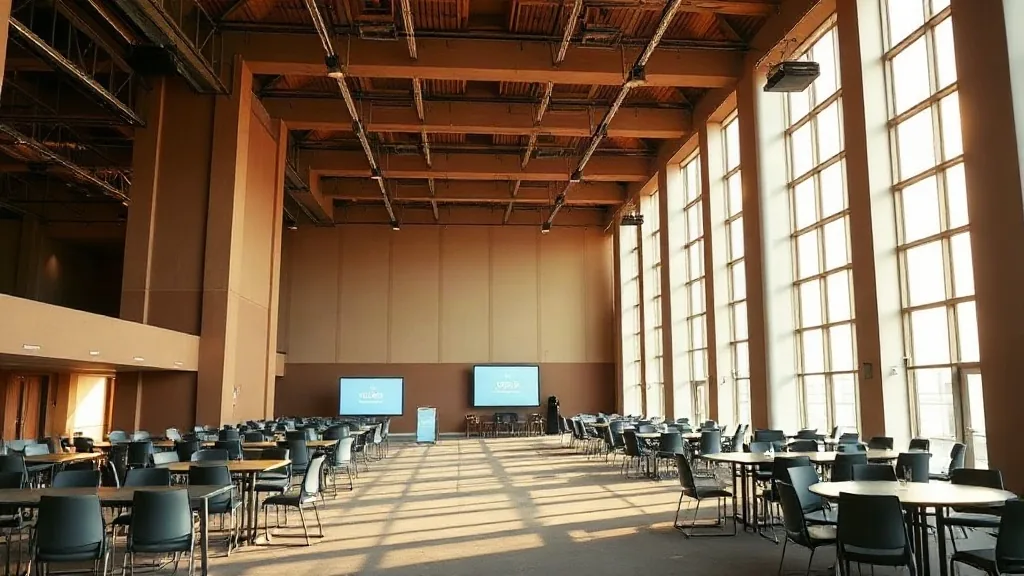
That October gap was exactly this. The second week overlapped a medical convention that filled the downtown core. The third week had nothing on the citywide calendar, so the hotel was staring at empty room-nights and cut the block rate from $229 to $179 and waived a chunk of the F&B minimum to win us. Nothing about our event changed. The market around it did.
The room block is where the swing hides
People assume the venue rental is the big number. For an event with overnight guests, it usually isn’t. The room block is. Our 180-room, two-night block at $229 was roughly $82,000 of room revenue; at $179 it was about $64,000. The company was subsidizing part of that block, and the $50-a-night difference across 360 room-nights was most of our savings by itself. Room rates swing hardest by date because they’re the most perishable inventory a hotel has: an empty room tonight is revenue gone forever, so hotels discount them aggressively on soft dates. I’ve written before about how room block rates pattern by month, and the short version is that the same block can vary 30 to 40 percent across the calendar with no change to your event at all.
How I find the soft week
I don’t guess. I ask three questions and check one calendar. First, I ask the venue directly which weeks in my target window are already heavy and which are open. Sales managers will usually tell you, because steering you to a soft week is a booking they’d otherwise lose. Second, I check the city’s convention and visitors bureau calendar for citywide events, because those are what fill a market and stiffen pricing. Third, I ask about the venue’s own booking pace: a ballroom that’s already 70 percent committed for my week has no reason to discount, one that’s 20 percent committed does.
Then I look at the seasonal patterns that move price without a specific convention driving them. Shoulder seasons are the obvious win. Rooftop and outdoor pricing in the shoulder season drops as the weather gets less reliable, and if your event is indoors anyway you capture the discount without the risk. The other trap most corporate planners miss is wedding season bleeding into corporate pricing: Saturdays from May through October are priced for weddings, and moving a corporate event to a Tuesday through Thursday in the same month can beat a peak Saturday by a wide margin.
Give the venue a reason to want your date
The soft week only pays off if the sales manager knows you found it on purpose. When I ask for a specific open week, I tell them plainly that we’re flexible on date and shopping the calendar for value, and that the group is real and ready to sign. A revenue team facing an empty week will move on rate for a booking they can count on, and a planner who signals flexibility is exactly the booking they can count on. I’ve had a hotel volunteer a better rate on a soft week before I even asked, once they understood I’d walk to the following week if the number didn’t work. Flexibility is a negotiating position, and most planners give it away by treating their date as fixed when it isn’t.

The days of the week matter too, not just the weeks
Once I’ve found the soft week, I look at the day pattern inside it. For most corporate events, Tuesday through Thursday is prime and priced accordingly, while Sunday and Monday are soft because business travel hasn’t ramped and Friday empties out early. A Monday start on a conference sometimes reads awkward to attendees, but a Sunday evening welcome reception into a Monday-Tuesday program can catch a meaningfully lower rate than a Wednesday-Thursday version of the same thing. I ran that swap once and shaved another $4,000 without touching the content.
When the date is genuinely fixed
Sometimes it isn’t movable. A user-conference tied to a product launch, a board meeting locked to a fiscal calendar, an awards night the industry expects in a specific month. Fine. When the date is genuinely fixed, the lever is gone and I stop pretending otherwise, and I go squeeze the F&B and AV instead. But I always ask first, because “fixed” is often just “unquestioned.” Half the time I ask a client why that week, the honest answer is that someone picked it in a planning meeting eight months ago and nobody has revisited it since.
For a multi-day conference with a room block, this is the first thing I test now, before I negotiate a single line item. The date sets the ceiling on how good your other negotiations can be. If you’re pricing a hotel or resort or a conference center for a group with overnight guests, ask for the same event two weeks apart and watch the number move.
Tell me your headcount, your city, the month you’re targeting, and whether guests are staying overnight. I’ll tell you where the soft weeks probably sit and what a one-week shift is likely worth on your specific block. It’s the easiest money in this business, and almost nobody asks for it.


