
Where lead time went: booking windows are shrinking again
Planners used to lock venues nine months out. In 2026 the average brief lands closer to four. Here is why the booking window keeps compressing, what it costs you in rate and choice, and how to plan when the runway keeps getting shorter.
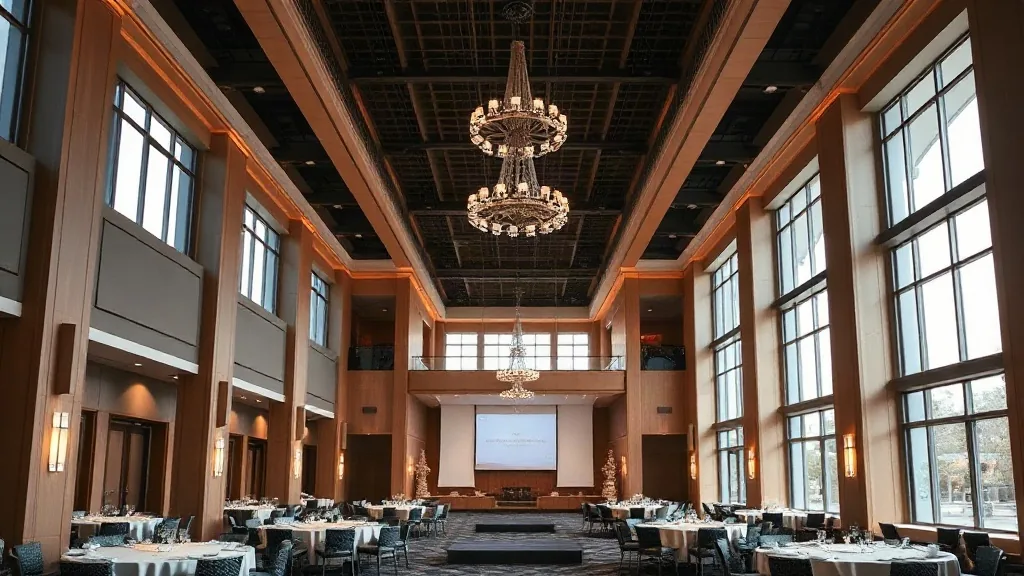
The brief came in on a Tuesday: 250-person policy convening, needs to happen inside 11 weeks, three cities on the shortlist. A decade ago a request like that would have gotten a polite no. Now it is a normal Tuesday. The average lead time on the events I run has compressed from roughly nine months to closer to four, and the short-notice briefs that used to be emergencies are now just the job. Something changed in how organizations decide to gather, and it is reshaping how I plan.
I run association and policy convenings out of DC, where the calendar is supposed to be predictable, and even here the window is shrinking. Here is where the lead time went and what it costs.
The window got shorter for real reasons
This is not planners getting lazy. Three forces are pushing the decision later:
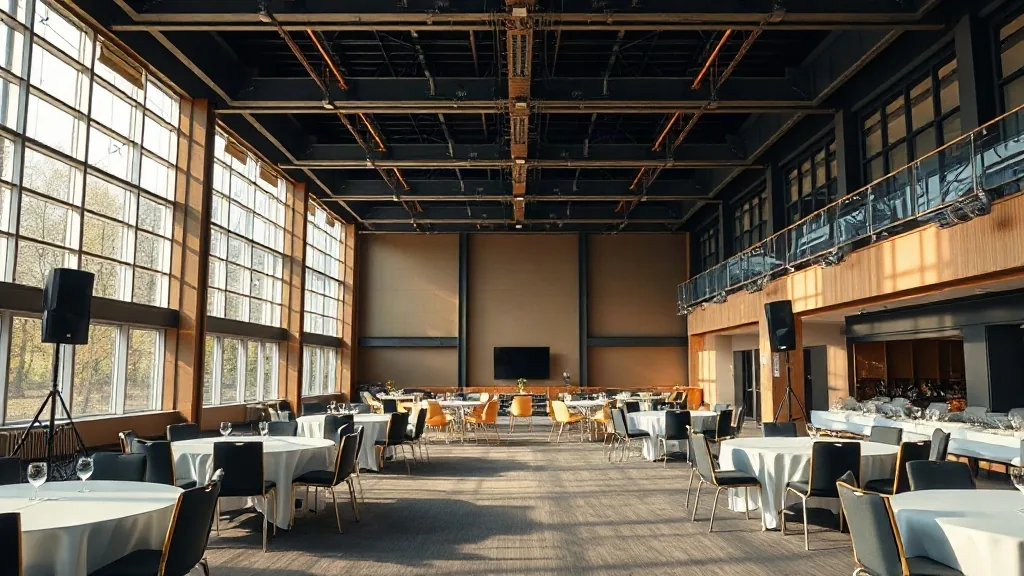
Approval got slower, so the runway got shorter. The total time from “we should do this” to “you may book it” has not changed much. What changed is that approval eats more of it. Procurement review, competitive quotes, and payment-term negotiation now sit between the idea and the deposit, which I detailed in 2026 procurement demands. The event still has to happen on the same date, so every week approval takes is a week stripped off the booking runway. Same finish line, less track.
Budgets get confirmed later. More organizations are approving event spend quarter by quarter instead of setting an annual calendar in January. That caution is understandable after a few volatile years, but it means the go-ahead arrives closer to the event, and you cannot book a venue against a budget nobody has confirmed.
Uncertainty rewards waiting. When headcount and priorities feel uncertain, decision-makers delay to keep options open. Committing to a date and a room feels like locking in risk, so they wait until waiting is no longer possible, which is usually about four months out.
What the short window actually costs
Compressed lead time is not free. It costs you in three places:
Rate. The venues with the best rates get booked first, usually by the planners with the longest runway. Come in at four months and the value inventory is thinner, so you pay more for less. The exception is the genuine last-minute window, where a venue with a hole in its calendar will deal hard, but you cannot count on that hole being where you need it.
Choice. At nine months you pick from the full set. At four months you pick from what is left, and in the hub metros during shoulder season, what is left is not much. Your three-city shortlist becomes a one-city reality fast.
Negotiating power. Bargaining power comes from being able to walk. When you are booking against a hard date with limited inventory, the venue knows you cannot walk, and the deal reflects it. The whole art of Q4 venue negotiation windows depends on having enough runway to play venues against each other, and a short window takes that away.
How I plan when the runway keeps shrinking
I stopped fighting the compression and started building for it. Four practices:
Hold dates before the budget is approved. Most venues will place a courtesy hold for one to two weeks at no cost. I use that window aggressively, placing holds on my top two venues the moment a brief looks real, before approval clears. It buys me runway I would otherwise lose to the approval cycle. When the go-ahead comes, I am not starting the search, I am confirming a hold.
Keep a pre-vetted venue shortlist per metro. For the cities I convene in repeatedly, I maintain a live shortlist of event venues and conference centers with current contacts, capacities, and rough rates. When a four-month brief lands, I am not researching from zero, I am calling three rooms I already know fit. This is the single biggest time-saver in a compressed window.
Front-load the certain decisions. Some things you can decide before the budget clears: the metro, the rough headcount band, the format. I lock those early so that when approval lands, the only open questions are the ones that need the money confirmed. The kickoff-season crunch taught me this, and I wrote it up in new year kickoff event lead time, where January events routinely get briefed in November.
Treat flexible dates as bargaining power. If I can offer a venue a choice of two date ranges, I recover some of the negotiating power the short window took away. A venue with a gap will take a group that fits its hole, and date flexibility is what lets me fit it.
Where the short window hurts most, and least
It hurts most at the big hotels and resorts during peak season, because room blocks and F-and-B minimums need runway to negotiate and the calendars fill earliest. It hurts least at flexible independent venues that hold open inventory and can turn a booking fast. If your window is genuinely short, bias toward venues built for speed over the flagship properties that reward early commitment.
The four-month brief, worked through
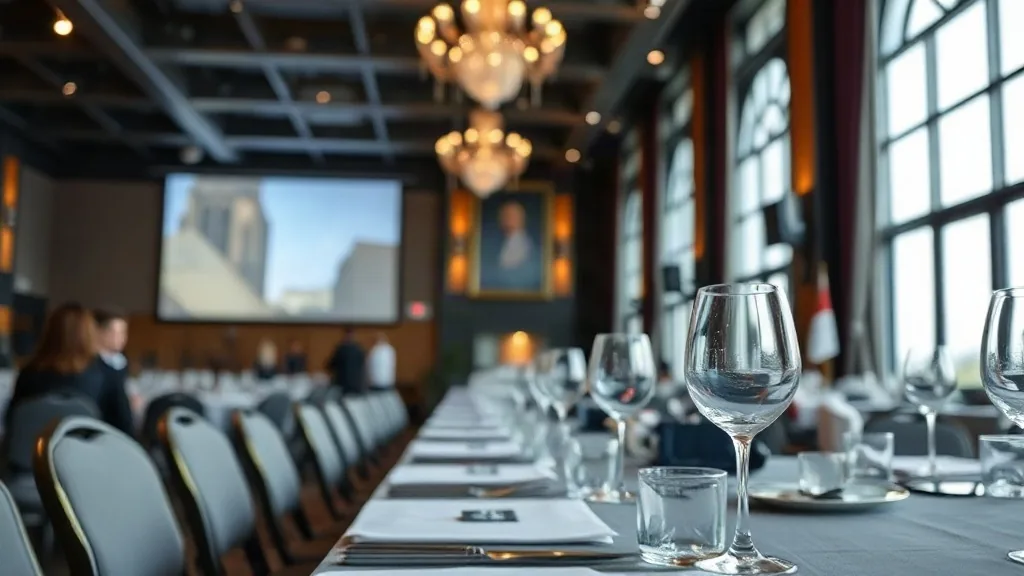
Take the 250-person convening at 11 weeks I opened with. Here is how the compressed window actually played out. The three-city shortlist collapsed to one within a week, because two of the three target metros had no room for 250 people on our dates at any price. The surviving venue knew it was the only option, so the rate came in about 12 percent above what I would have negotiated with real runway, and the F-and-B minimum was non-negotiable. I recovered some ground by offering two adjacent date ranges, which let the venue slot us into a gap it wanted filled, and that flexibility bought back roughly half the rate premium. We closed in nine days from brief to signed contract, which is only possible because I keep a live shortlist and place holds fast. The event ran fine. It cost more than it should have, and every extra dollar traced directly to the short window. That is the tax on compressed lead time, and it is real even when the event succeeds.
The honest read for 2026
The booking window is not going back to nine months. Approval will stay slow, budgets will stay quarter-to-quarter, and uncertainty will keep rewarding delay. The planners who thrive are the ones who moved their preparation earlier even as the booking moved later: holds, shortlists, and front-loaded decisions that let you act the instant the money clears.
How far out is your next event, and is the budget approved yet? Tell me your date and your approval status and I can tell you whether you are working with real runway or already in the compressed window.


