
Wine for a client dinner when you have no sommelier
You do not need a sommelier to run a wine list that impresses a client table. You need a short, safe strategy and a few rules about price, pairing, and pour count. Here is the approach I use to order wine for a twelve-top I care about.
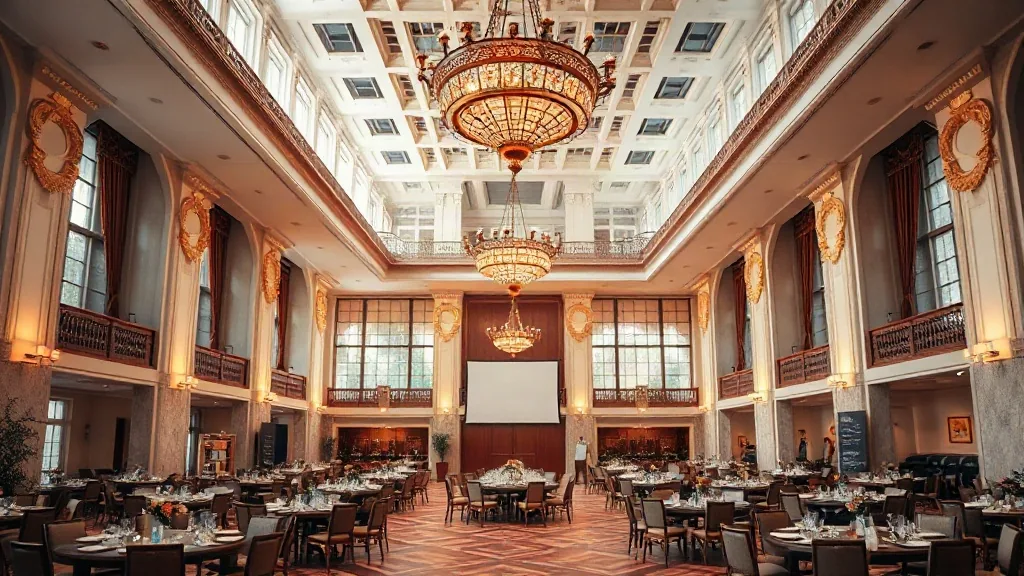
A senior partner once handed me a wine list at a client dinner and said “you pick, I don’t want to look cheap or like I’m showing off.” That is the entire brief for corporate wine, and it has nothing to do with knowing the difference between a Sancerre and a Chablis. It has to do with not making either mistake in front of a client who is watching what you order. I have picked wine for hundreds of these dinners without ever calling myself an expert, and there is a system.
I run client and advisory dinners for finance and healthcare firms, and the wine anxiety is universal. Nobody wants to look like they overspent the client’s goodwill on a $200 bottle, and nobody wants the client to think the firm is stingy. The safe middle is a real place, and you can find it with three rules.
Rule one: order by the bottle, price in the safe band
For a client dinner, order bottles, not glasses. Bottles read as generous and hosted, glasses read as everyone fending for themselves. Then price into the band that says “we chose well” without saying “we spent your money.” At a restaurant that band is roughly two to two-and-a-half times the wine’s retail price, which usually lands you at $55 to $95 a bottle on a corporate list. Below $45 on a restaurant list often means the cheapest thing they carry, which the client may clock. Above $120 starts to look like you are performing.
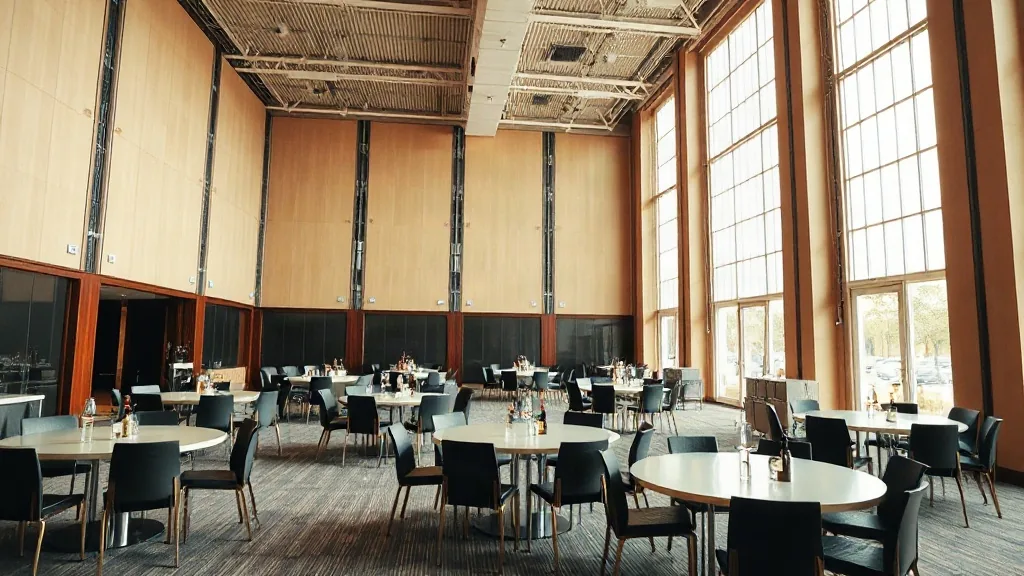
I aim for the $60 to $85 sweet spot and I order a couple of bottles at a time so nothing sits open going warm. The private dining room at a good restaurant makes this easy, because the list is already curated and the server can steer you inside your band if you ask directly.
Rule two: two whites, two reds, one safe, one interesting
For a table of twelve, I pick a small spread so everyone finds something and nobody is stuck. Two whites: one crowd-safe (an unoaked Chardonnay or a Pinot Grigio that offends no one) and one a little more interesting (a dry Riesling or an Albarino for the guest who actually cares about wine). Two reds on the same logic: one safe (a smooth California Pinot Noir or a Merlot) and one with more character (a Cotes du Rhone or a Malbec).
The safe bottles carry the room. The interesting bottles give you something to talk about, which matters, because the wine is a conversation prop as much as a drink. A guest who lights up about the dry Riesling has just given you five minutes of easy table talk that has nothing to do with the deal, and that is the point of a client dinner.
Rule three: match the wine to the food, loosely
You do not need pairing theory. You need to not fight the food. Lighter food, white leads. Steak and heavy mains, red leads. If the menu is mixed, which most corporate dinners are, put both on the table and let people choose. The one thing I actively avoid is a big tannic red with delicate fish, because that clash is the one a wine-aware client will notice. Everything else is close enough.
When I plan the advisory board dinner for twelve executives, I set the wine against the menu the same night I lock the menu, so the two are chosen together instead of the wine being a panicked afterthought at the table.
Let the room and the staff do the work
Here is the part that beats any wine knowledge: pick a venue where the staff will guide you, and tell them your budget out loud. A good server or beverage manager will happily point you to two whites and two reds inside your price band if you say “I want to spend about $75 a bottle, host twelve, and not embarrass myself.” That is not weakness. That is using the expertise you are already paying for.
A winery or vineyard takes the anxiety off entirely, because the venue pours its own wine and the tasting is built into the evening. You are not decoding a list; the winemaker’s team runs the flight and you host. For a client dinner where the wine itself is the experience, this is the move. A country club works the same way, with a member-side beverage director who has run a thousand of these dinners and will build the list for you.
Pour count and the money math
Plan on a half bottle per drinking guest across a dinner, which is the standard rule and holds up well in practice. For twelve guests where maybe nine drink wine, that is four to five bottles across the evening. At $75 a bottle, your wine bill is about $340 plus service, which is a rounding error against the relationship the dinner is protecting. Remember that a third of the table may not drink at all, so do not over-order; open two bottles, read the table, and open more only as they empty.
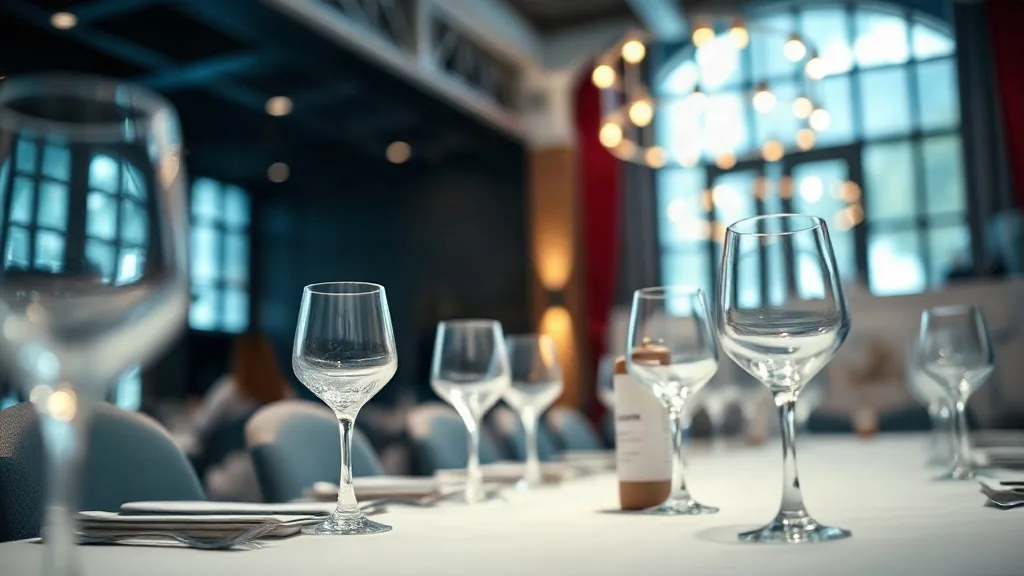
I confirm the corkage and the pour policy when I book, the same way I check every line when I evaluate a catering proposal. If I am bringing a specific bottle, I ask corkage in advance, because $35 a bottle corkage on four bottles is a number the client’s finance team will see later.
Order in a sequence, not all at once
One habit that separates a smooth wine service from a clumsy one: I ask the server to open the whites first and hold the reds until the mains arrive. Opening everything at the start leaves reds sitting warm and whites going flat, and it makes the table look like a party instead of a hosted dinner. I also confirm the whites are actually chilled and the reds are served at cellar temperature, not the too-warm room temperature most restaurants default to, because a red poured at 72 degrees tastes flabby and a client who knows wine will notice. These are small asks the staff handle happily when you make them at the start of the meal. They cost nothing, and they make a $75 bottle taste like the choice of someone who knew what they were doing.
The room matters more than the vintage
One last thing, because I learned it the hard way. The best wine list cannot save a bad room. I once hosted a careful, well-chosen dinner in a space that echoed so badly nobody could hear across the table, and the wine went unnoticed because the evening was a strain, a night I wrote up as the client dinner ruined by a room that echoed. Pick a private room where twelve people can actually talk, then worry about the wine. In that order.
Tell me your table size, whether the client has any wine enthusiasts you know of, and your comfortable per-bottle budget. I will map you a four-bottle spread that hosts the room without looking cheap or like you were trying too hard.


