A captive portal took down a product demo in front of two hundred people
A $14,000 venue network failed a product demo when a login prompt appeared mid-presentation for 220 attendees.
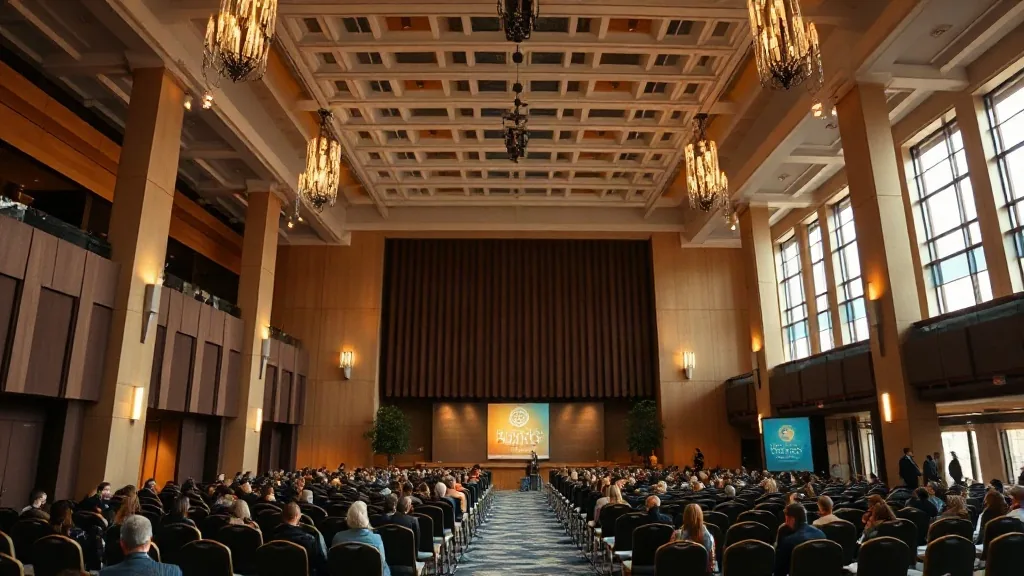
Catching a captive portal flake out is normal. Seventy percent of my venue walkthroughs include me standing in a ballroom with my phone out, running a speed test like I’m some kind of telecom sommelier. But on a Tuesday in September, I watched a client’s entire product demo go dark in front of 220 people because the venue’s guest network asked for an email address right at the worst possible second.
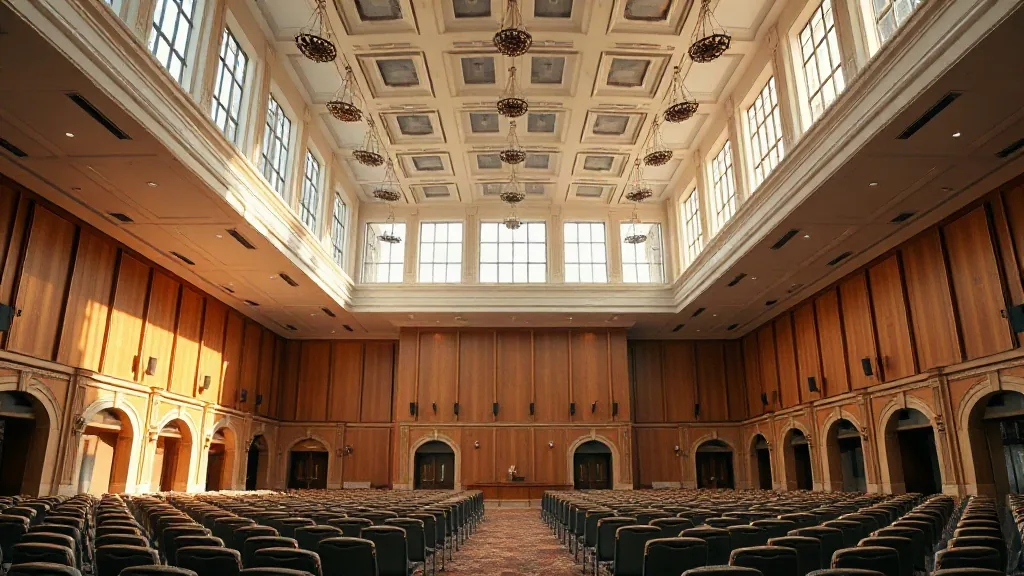
The event was a technical launch for a logistics software company. The client paid the hotel $14,000 for the ballroom, a stage package that included basic rigging and a single follow spot, plus another $3,800 in a/v add-ons they insisted on booking separately. What they did not buy was the dedicated event bandwidth, which the hotel quoted at an additional $1,500 per day. The sales manager, a cheerful woman named Dana, had called that quote a “convenience,” not a necessity, since the venue’s standard business center internet was free for all groups. I had a four-hour gap between two other site visits the week prior, so I stopped by and tested it myself. The free network pulled 25 megabytes down in an empty ballroom at 11 a.m. I called the client’s chief revenue officer and said, “Pay the $1,500, because 25 at 11 a.m. is not 25 at 2 p.m. with two hundred phones on it.” He said “Let’s ask the hotel.” Does that sound like a plan to you?
The breakdown happened during the first live data pull
We charged the client for the emergency tech time, but the damage to the room’s energy was permanent. I tell every tech client in Atlanta that free wifi is the one place not to get clever. Your budget needs to include the venue’s dedicated a/v pass. For a recent conference I placed in Spartanburg, the venue’s listed internet was practically a dial-up joke, so I ended up paying for a portable hotspot unit for the presenter’s laptop. There’s a reason I only use conference centers that let me put a static IP on the mixer. Scouting matters.
Why these networks collapse under a real audience load
My colleague runs a conference center in Pittsburgh that is an absolute grind from the old-school data era, but the front-desk engineer knows every port’s temperament. He thinks venue wifi is a coin flip and always has backup ethernet reels in the booth. You do not want to argue with IT on the event day, so put a site tech on your call sheet. The difference between an event team that brings their own router and one that trusts the hotel is usually one free breakfast of brand-new fire hazards.
These portals are the reason I read the fine print about dc event venues more carefully than most. A DC-based federal agency client had me vet their annual meeting last year. We got three paragraphs in before I spotted the phrase “guest network is to be used for casual browsing only.” That means they reserve the right to kill heavy protocols without telling you. I passed that one to the procurement officer, and she requested a custom network VLAN that cost $800 and saved her entire civil rights training day. They still connected their own fiber for the multi-vendor broadcast segment. Bureaucracy is the same elsewhere. Check with the local team in North Miami because one property there had me on hold for a week to explain that their portal remembered a user’s prior consent, but only on the same physical device. I presented that as a total dealbreaker to the chief of staff. We moved the sessions across the street to a property that let me manage the guest list myself.
The login page you should be wary of
Event wifi contracts fall into three buckets. First there is the per-day rate with a bandwidth cap I define as “we’ve never hit it, goes to 200 up and 200 down.” The second is business center free for all with that quoted 25 meg in test conditions. Another is the ridiculous one where you have to buy hardware for the duration and walk out with a bill of ownership and a power adapter for a unit you’ll never use again. The client checked the second, because they had been conditioned by the hotel chain membership program. When the portal listed the option to log in with their social handles, upload a contact, and let the hotel’s marketing cloud touch their attendees, half the room also chose the free tier with the captive portal view.
I want to walk you through a quick geography. The tech community in Chicago leans heavily on loft and tile space, and you will see fast wifi because the startups get it. But some warehouse blocks allow a cheaper backbone, so I always judge a Chicago loft venue by whether they give you login codes pre-printed on your table tent. If I see that table tent, I do not care about raw speed because it implies they managed the auth handshake before anyone touches a device. For the other kind, the only answer is a hard line or a deployment of your own device that handles the captive portal dance for the audience before the presentation starts.
Some pro tips. Pre-authenticate all your staff devices yourself the previous evening. It means walking the hotel network from the coffee bar and then putting the phones in airplane mode to prevent sleep from resetting a connection. That has worked better for me than yelling at the operators, and that includes the time a venue owner in Florida got mad at me for asking to reboot their controller. There is a whole chapter of mistakes I have written for groups meeting in a conference space near Kokomo where farming events mix with industrial logs and everyone keeps computer equipment dusty. The trick there is to have someone arrive early enough to hit “accept” and spin through the splash screen three hours before the important delivery.
Practical booking protections to avoid paying the failure tax
The hard cost of free. The demo hotel bill eventually landed at $6,900 in extra fees for energy, late load-in and a line item called guest net administration which translates to the front desk removing the overage cap the morning of and also losing their appetite for helping my team at check-out. That number arrived after the meeting. I bet the portal intern got praised for fixing the system the next morning.
On that note, our team put together the story of the venue that forgot its own wifi password.
When you’re finalizing your brief, put “ability to plug into their wired LAN” as the number one line item. The requested event will be just fine on a simple $40 network switch bought off the shelf, as small as the one that connects a cash register. A venue that mocks your request for that is the one that wants you to buy their premium package. In a recent office copy in Los Angeles where brick meets creative teams, the building runner got me through the physical firewall chokepoint by allowing my mixer a specific IP listing for the day. Otherwise I hate any venue that obfuscates that the portal applies to everyone, including the digital menu the chef and the tiny screens at the bar were tucked behind.
“Start me a timeline, your unit of headcount, a day. Better yet, start with a sheet for your next site visit.”
Just grab an ethernet clip on that run. They need to watch where they ask me to follow someone to the router.