A hum in the house sound, and the second power phase behind it
A 60-cycle hum in a visiting San Francisco rig started when the video switcher was patched, pointing to the second power phase.
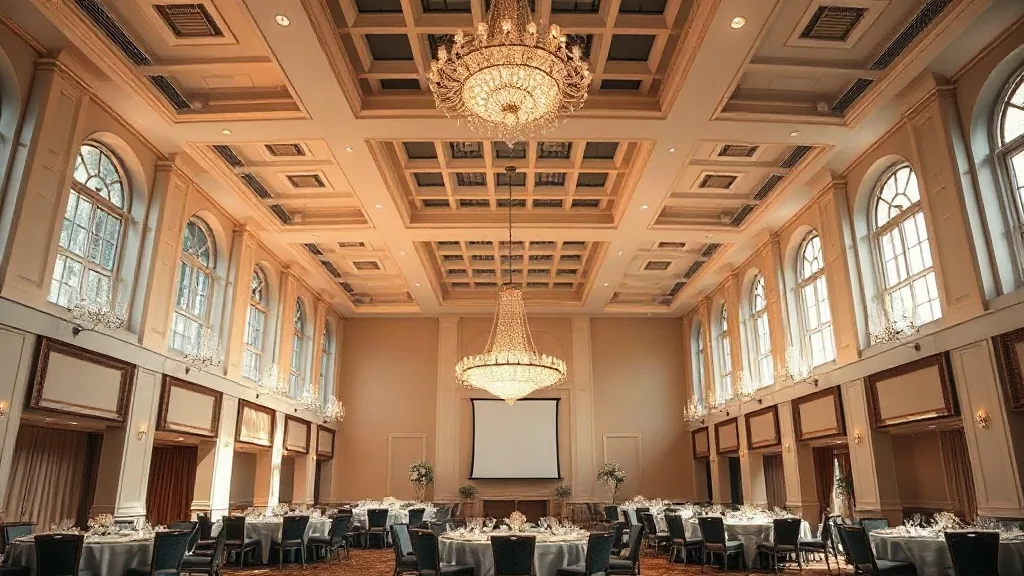
Thursday, 9:05 a.m., Hall B at the San Francisco convention center, and the house sound is humming. Not buzzing. Humming, a solid low 60-cycle tone coming out of the main hangs while the CEO’s walk-in music plays over it. Four hundred people are due at 9:30. The rental house is on the phone. And two of the four techs are already standing at the amp rack, taking turns touching things and shaking their heads.
The amp racks here are visiting rigs, brought in on a two-truck load at 6:40 that morning. The hum started when the video switcher got patched at 8:50. Not before. That timing is the whole story.
What the crew blames first, and what nine times out of ten is actually happening
I’ve been the guy on the floor. For eight years I was the vendor on-site, and I was usually the first contractor to swap out the mic cable. About $40 wholesale for a spare, and usually the wrong call. What I didn’t know then is what makes the hum start the moment a laptop plugs in: it’s not the cable, it’s a ground difference.
Here’s the plain version. A phase in a buildign is one of the alternating live feeds that come off the utility transformer, offset from each other so the building can carry more load than one feed allows, typically 120 volts each on the three-phase commercial service. If two pieces of equipment are plugged into the same building but fed from different phases or different panels, they’re both “grounded” to the same green wire but they’re getting their reference from different voltage points. That reference difference can run from a fraction of a volt up to several volts on a long panel feed. Plenty of that that difference rides the audio cable sitting between them.
A single 90-foot line-level run between a visiting console and a house amp rack is enough to close that loop. Nothing on either end is broken. The two rigs are each working exactly as designed, and the flaw appears only at the moment they shake hands. So the laptop cable, or the video switcher’s SDI-to-audio break, is not the cause. It’s the bridge. It’s the last thing pushed on before the hum got noticed, which is why everybody points at it.
Why the hum shows up at 9:05 and not at load-in
The load-in at 6:40 went clean. House system came up at 6:55, amp racks lit themselves off, both consoles checked out independently, and the room was clean at a whisper. Nothing was humming because nothing was connected between the two systems yet. The laptop and switcher joined the party at 8:50. That’s when the audio cable between the visiting mixer and the house amp rack started carrying the current.
This is the part that kills me. The systems each pass a solo check. The problem is invisible until the moment the two halves meet. By 9:05 the client has arrived in the hallway. By 9:15 somebody will suggest pulling one leg of the rack’s ground. Whether it gets pulled comes down to whether anybody from the meeting planner’s chain of command is in the room to say no. That morning I was, so it stayed in.
Pull it and the hum stops, and the system is floating. That’s the tradeoff and I’d rather lose the argument and burn a 15 percent hourly add than sign off on a lifted ground in a 400-person room, because a chassis fault on a floating console can light somebody up through a microphone.
What the clock and the client pay for when nobody catches the phase
The hum isn’t the biggest cost. The biggest cost is the schedule burn in front of a sponsor who has done this ten times. The room was fine at 7:00. It’s not fine at 9:05. Now here’s the invoice format I’ve seen: at a per-tech rate of about $180 to $260 an hour, four techs in the room from 9:05 to 10:15 is 4.7 tech-hours, so the client has paid roughly $840 to $1,215 of crew time and nobody has fixed a thing. That’s 70 minutes of four people chasing a ground loop through the console, the amp rack and every cable in the signal path. Here’s the part that actually costs you: whoever ordered the room doesn’t think the AV team is late, they think the AV team can’t build. The venue gets pulled in to “help the audio guy” and the house AV people are quietly annoyed for the rest of the day.

And the apology problem. A 60-cycle hum under the CEO’s keynote cannot be faded out afterwards, and row 1 hears it even when rows 4 through 30 don’t. What nobody tells you is that a hum doesn’t get graded, it gets commented on. In the client debrief, AV scores get one to three points lower and the story of the room becomes “the buzzing sound.” That’s not the phrase you want in your production budget review, and it’s not something any of the day’s labor buys back.
The power plan, the panel diagram, and the sentence to get in writing
At the site visit, ask two questions and write the answers down. First: how many panels feed this room, and which outlets are on which one? Second: are the house sound racks on the same panel as the meeting room’s wall pockets? Most venues can answer the first with a walk. Get the electrical panel diagram as part of the booking, not as a favor on the day; a copy of the as-built electrical layout, if the venue has one from the build, is worth three calls. We carry a two-page power schedule template that asks for every numbered panel, and about half the rooms we work return it filled in, including most of the San Francisco venues and the Costa Mesa conference rooms on our list.
If the answer comes back “two panels,” put one item on the production book: all visiting gear to be brought through a single distro from the same panel as house, and to be fed from one phase. The rental house can provide a 100-amp single-phase distro to isolate both systems on one feed. If the room or theater is wired from multiple panels, a transformer-isolated feed on the visiting rack isn’t exotic. So ask whether the visiting amp rack and the house system can share a transformer-isolated connection, which breaks the ground difference without lifting a safety ground. A balanced pass between house and visitor does the same for line-level signals; common in performing arts venues with a 60-year-old power plant. The theaters and performing arts venues we track across multiple markets typically have the panel schedule already, but the site is what matters. What about the venues that run several subsections, like the northern Colorado theaters? Same rule. Ask for the panel-and-phase list.
And here’s where the hum doesn’t matter. If the visiting package is small, a couple of powered speakers and a laptop, it can often go on a single 20-amp circuit from the house panel; a full visiting rack needs the 100-amp distro I described above, on the same panel and phase as house. Either way, our team fixes two thirds of these without a transformer: one feeder, one panel, one phase. That’s about $250 for the distro rental. The remaining third need the isolator, about $600 to $800 for the day. Cheap against the crew hours we don’t pay out.
Now: what’s your room, your date, and your headcount? If you have a general session over 150 people with a brought-in audio or video rig, send me the venue name and the panel schedule, or just the number of panels the site guy remembers. I’ll tell you within a day whether you’re likely to have a two-panel problem and how much the isolation’s going to run you.