Hearing loops, captioning and the AV line item planners skip
Accessibility tech like hearing loops is a negotiable AV line item, not a courtesy add-on.
I lost a $4,200-a-plate fundraising gala in Palm Beach two years ago because I didn’t check the ballroom’s hearing loop before signing. The client’s chairwoman has worn a cochlear implant since 2019, and the venue’s “accessible AV package” was just a handheld microphone. We moved the event to a hotel three blocks north, and I have checked induction loops on every site visit since. Accessibility is not a courtesy add-on; it is a line item you negotiate like the food and beverage minimum, and it is the one most planners either skip or grossly under-budget.
I am Daisy, and I have booked rooms for healthcare and finance clients across Florida since 2017. Most of my contracts now include some form of assistive listening, but the depth of what that means varies wildly between a 200-seat conference room and a 1,500-seat theater. The bad news is that captions, loops and interpreter services are rarely bundled into the standard AV quote. The good news is that knowing what to ask for saves you a mid-event crisis and, potentially, a lawsuit nobody wants to explain to their general counsel after the fact.
The hearing loop is the hardware upgrade your AV quote already hides
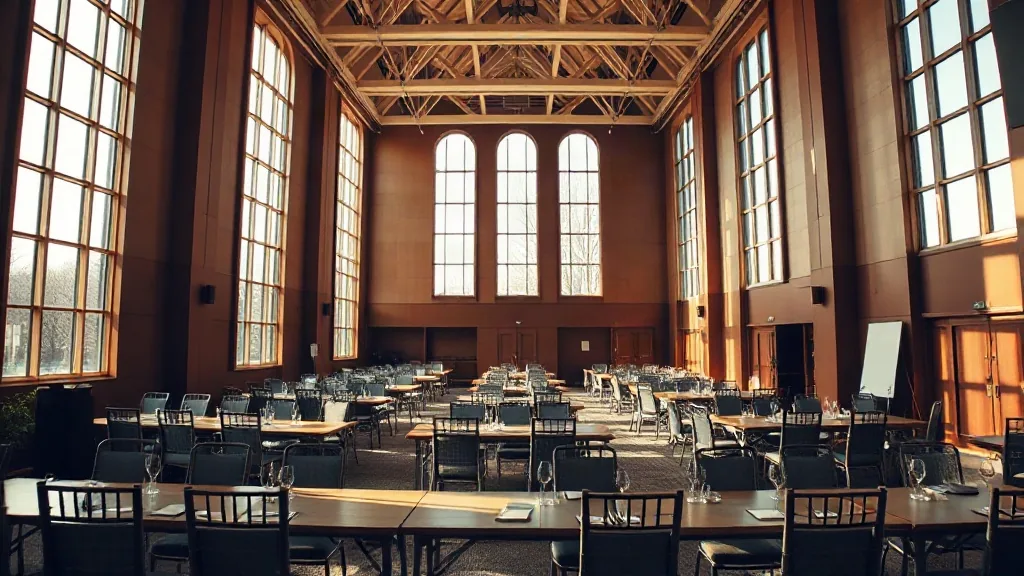
Here is the pricing reality you will meet. A venue that actively markets itself as performance-ready will often have a loop built into a main hall already, but a hotel ballroom will not. Retrofit costs range from about $2,000 for a small 50-person meeting room to $8,000 or more for a space that seats 300. Add labor for the install and strike, and you are looking at a budget line that most junior planners never think to include because sales managers do not volunteer the gap.
Captioning for the medical crowd is a line item, not a post-production afterthought
My pharmaceutical and med-device clients live under strict transparency rules around how they document speaker content, and verbatim captioning is how they prove what was said to the FDA and their own compliance teams. Live captions, generated in real time and projected on a screen or broadcast to iPads, run anywhere from $250 to $600 an hour depending on the vendor’s stenographer certification and the latency they guarantee.
I learned that lesson the expensive way at a small advisory board meeting in Orlando last October. The venue’s in-house AV guy quoted me a “captioned slideshow” as if it were the same thing as live captioning. It was not. He meant the PDF version of the deck would be sent to an external firm a week later. My client’s chief medical officer needed a legal transcript of the session for a post-meeting review, and we had to scramble for a CART provider who could transcribe the recorded audio retroactively. That rush service cost an extra $1,800 on top of the base rate.
For groups of eighty or fewer in a single meeting room, I have found that remote CART captioning works best. The stenographer joins over a video call and sends captions in real time to a URL that attendees view on their own phones or tablets. At roughly $300 per hour with a two-hour minimum, it beats bringing a human, a laptop cart and a projector into the room.
Theater spaces do this better, and your next event might not belong in a hotel ballroom
The cost comparison is stark. A comparable room at a downtown Orlando hotel quoted me $4,700 for a temporary hearing loop setup for a 400-person dinner event in May 2025. A nearby performing arts hall with a permanent loop we used for the same client’s prior year, for a similar audience size, charged a flat $1,200 facility fee that covered the engineering time to switch the loop on. It does not take a math degree to see which one the client’s CFO preferred as a budget line item.
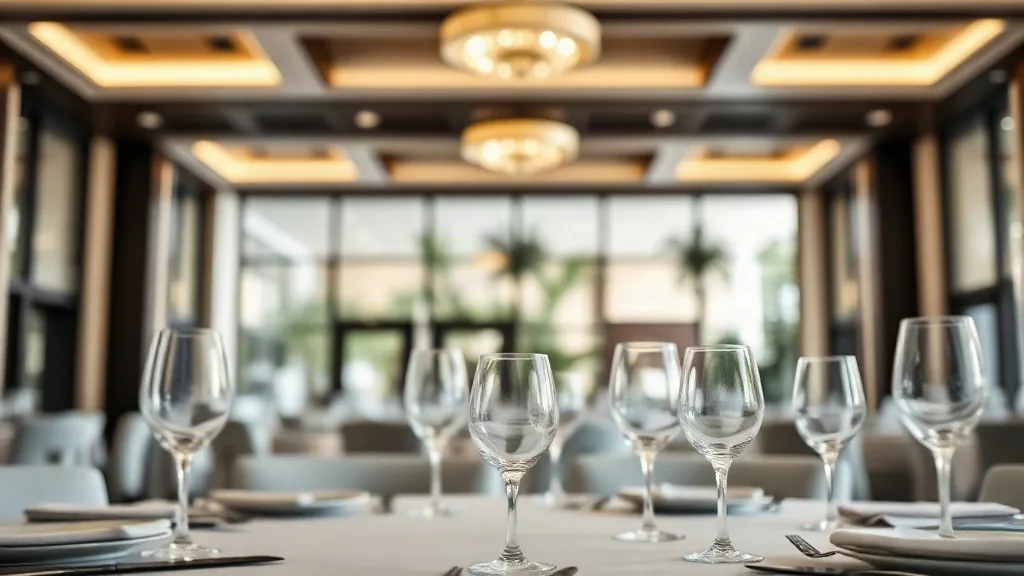
For planners who need a reference point on what the room setup actually requires, I keep track of a few venue types that tend to handle this well. The spaces I have personally used with good results are mostly on the theater directory at corporateevents.at, and that is where I start my own search before I even ask a hotel about their assistive tech inventory.
If your meeting is in Virginia, the rate of accessible audio infrastructure in that state’s venues is notably stronger than what I have seen in parts of South Florida, largely because of the concentration of older conference sites that had to retrofit for compliance a decade ago. The lesson there is that newer hotel builds sometimes skimp, so the legacy venue with the gilded chandelier facing the parking lot might be your best accessibility bet. For a similar audience in the Southeast, I have found that Savannah, Georgia venues tend to have more modern loop installations than their coastal Florida counterparts, which is worth factoring into your site selection if you are weighing multiple cities.
Confirm the legal standards before you pitch the compliance officer
Here is the part where I tell you to slow down before you put the word “accessible” on any internal proposal. The Americans with Disabilities Act governs the obligations of event planners and venues, and the specifics on things like the number of assisted listening devices you need for a given room capacity are not something I am qualified to type out in a blog post with guarantees.
What my compliance contacts tell me in practice is that a hotel is generally expected to provide an equal experience to a guest with hearing loss, and that a loaner FM system with a headset sometimes meets that bar, while a venue that has no assistive listening system at all rarely does. Most planners over the last five years have been told by their own legal departments that having a hearing loop or a sufficient inventory of FM receivers, plus the signage directing guests to them, is the operational baseline.
Your firm’s interpretation of the fine print matters, so confirm the current requirements with your contracts person before you rely on any single technical spec I mention here. The rules move, they vary by jurisdiction, and a venue that worked last season may have changed ownership and let the maintenance contract lapse. If you are scouting in the Northeast, I have noticed that New Hampshire venues tend to have stricter enforcement of assistive listening standards than some other states, so budget accordingly for that market.
What I can tell you from the field is that the ADA conversation fundamentally changed my boilerplate. I now have a two-page accessibility rider in my template that gets sent to every venue along with the proposal. It asks for the number of assistive listening units on site, the technology they use, the date of their last system test, and the name of the on-duty AV technician who can work the controls during a live program. Half the sales people who read it call me back with a question about item three, and that alone tells me they have not thought about it since the seasonal staff got trained in February.
I have also started circling the accessibility question on my inspection checklist the same way I circle the fire escape route. The loop is a physical install that a house electrician completed under permit. The captioning is a live feed with a human being on the other end of a modem. The interpreter is a person who needs a sightline to the speaker. Treat it all with the risk management attention you already give to the power drop for the DJ in the corner, and your event will run smoother than the last one.
One more things that does not fit neatly in my budget categories. Ask about the neck loop for the guests who have hearing aids with a telecoil but no interpreter. They are the ones who will complain to a board member afterward if you got it wrong. That feedback travels fast.
Now, what is your event date and expected headcount? Send me the brief, and I will read the venue contract’s assistive listening section before you do.