
Booking around spring conference season without overpaying
March through May is when trade shows and industry conferences own the calendar, drive up hotel rates, and swallow the good ballrooms. Here is how I book a spring corporate event without paying the conference-season premium.
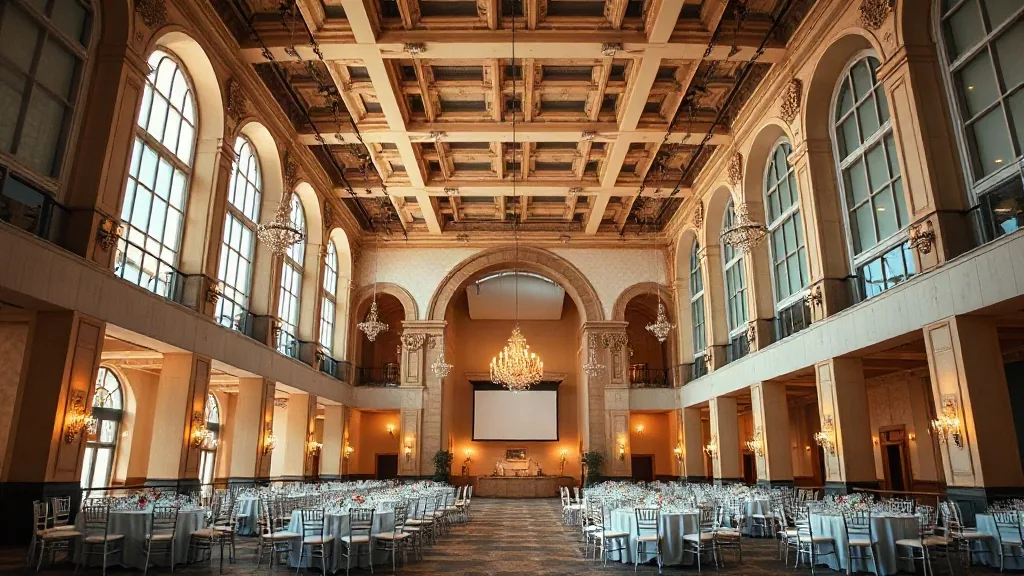
A healthcare client wanted a 160-person regional meeting in Orlando the third week of April. I pulled hotel rates and nearly laughed. The property that runs $189 a night group rate in February was quoting $329 for that week, and the ballroom minimum had jumped from $7,000 to $11,500. The reason was not my event. A 40,000-person medical trade show was in town that week and every hotel within 15 miles had raised everything.
That is spring conference season. If your corporate event lands on top of a big industry show, you pay the show’s prices even though you are not part of it. The trick is knowing where the shows are and stepping around them.
The calendar sets the price, not your event
Trade shows and association conferences cluster in the spring because the weather is reliable and the fiscal year is mid-stride. March through May is the densest stretch of the year for large convenings in the big destination cities. When one of those shows fills a city, it fills the hotels, the flights, and the ballrooms, and rates rise across the whole market for that week whether you are attending the show or not.
I keep an industry conference season calendar open before I pick any spring date. The point is not to attend those shows. The point is to avoid landing my client’s 160-person meeting in the same city the same week as a 40,000-person one, because that collision is what turns a $189 room into a $329 room.
Read the room-block rate like a weather report
The fastest way to spot a conference-season collision is the group room rate. When I ask a hotel or resort for a spring date and the group rate comes back 40 to 70 percent above the same property’s winter number, a big show is in town that week. The room-block rate patterns by month tell the story before anyone mentions a trade show. A spiking group rate is the market warning you.
So I check three candidate weeks and compare their group rates side by side. Usually one of the three sits far below the others, and that is the week with no major show competing for the same beds. Booking that week instead of the spiking one saves the client 30 to 45 percent on both rooms and space, for an event that is otherwise identical.
Step one city over
The other move is geographic. If the show I need to avoid is in Orlando, I look at a Miami or Orlando corporate conference comparison and often find that the city an hour away has open, normally priced inventory the same week. Regional meetings do not always need to be in the marquee city. A 160-person healthcare meeting works fine in a secondary market where no trade show is inflating the rates, and the drive or short flight for attendees is a small trade for a five-figure saving.
The same logic applies to venue type. When every downtown hotel ballroom is booked or overpriced during a show week, a standalone conference center outside the convention corridor often has open dates at normal rates, because the trade-show crowd fills hotels near the show floor and ignores the purpose-built meeting facility 20 minutes out. That conference center is where I book when the hotels are hostage to a show.
Book early or book the gap
Spring has two viable strategies and no middle. Either book 8 to 10 months ahead and lock a normal rate before the show-season pricing kicks in, or find the gap week between the big shows and book it late at a soft rate. The expensive mistake is booking 3 months out during a peak week, when you have neither the early rate nor the gap discount and the venue holds all the cards.
I prefer the early lock for anything the client cares about, because it removes the guesswork. When I sign a spring date in the previous summer, I get the pre-season rate and first pick of the room. The gap-week play works too, but it requires flexibility the client does not always have, and a board with fixed attendee calendars cannot always slide into whatever week is soft.
Watch the convention-center overflow
For larger events, a convention center has its own spring pattern worth reading. During a huge show, the convention center itself is full, but the smaller meeting rooms and adjacent spaces sometimes have overflow availability at rates that are high but not insane. More useful is the week just before or just after a major show, when the center is between events and will discount hard to fill the gap, and the surrounding hotels have not yet raised rates for the incoming crowd. That shoulder week around a big show is one of the best-value windows in the spring calendar.
Watch the flight prices too
The venue rate is only half the spring premium. When a big show fills a city, airfares into that market climb the same week, and for a meeting where I am flying in 40 or 60 people that adds up fast. A $280 round trip becomes $520 because every hotel and every seat is spoken for. I check flight prices for my candidate weeks the same way I check group room rates, because a soft venue rate in a week where airfare has doubled is a false saving. The clean week wins on both the ballroom and the plane ticket, and the healthcare clients I work with feel the travel line as sharply as the venue line.
For a regional meeting where most attendees drive, this matters less, and I weight the venue rate more heavily. For a national gathering flying people in from every market, the airfare spike can outweigh the room discount, and I let that push me toward the genuinely quiet week even if a busier week has a tempting ballroom rate.
The number that tells you the truth
Before I commit any spring date, I run one comparison: the group room rate for my target week against the same property’s February rate. If the spring number is within 15 percent of February, the week is clean and I book it. If it is 40 percent higher, a show is in town and I move the date or the city. That single ratio has saved my clients more money than any menu negotiation I have ever run, because it catches the conference-season premium before it lands on the contract.
So tell me your spring plans. What is your headcount, which weeks in March through May are you considering, and is your city fixed or flexible? Give me those three and I will tell you which week you can afford and which one a trade show is about to make expensive.


