
Certificate of insurance for events: what the venue really needs
The COI request looks like paperwork and turns into a fire drill three days out because the additional-insured wording is wrong. Here is exactly what the venue is asking for, what the terms mean, and how to get it right the first time.
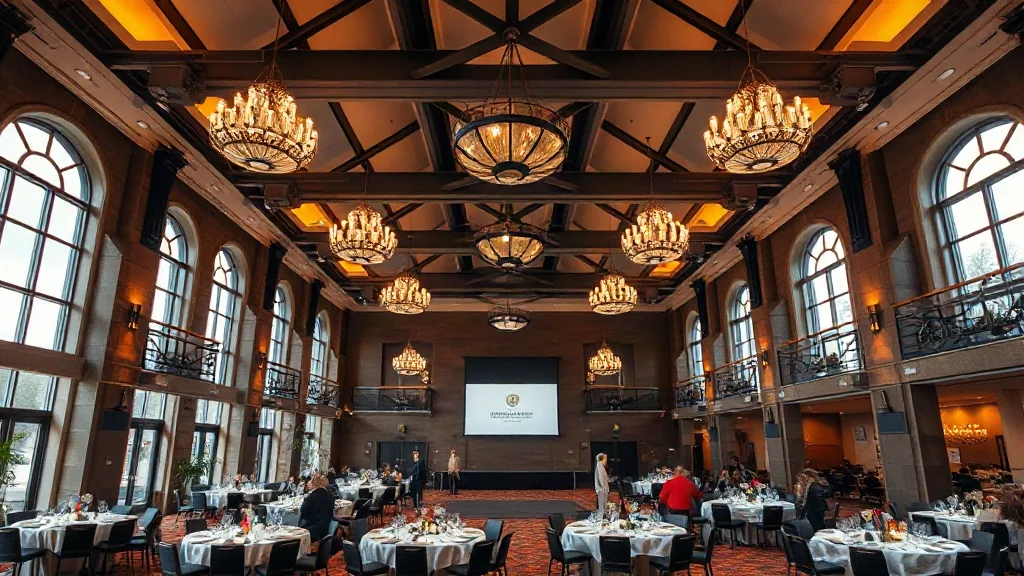
A warehouse venue in Oakland once held my client’s product launch hostage over a comma. The contract required the certificate of insurance name the venue as additional insured, my client’s broker issued a COI that listed the venue in the certificate-holder box but not as additional insured, and the venue’s operations manager refused to release the keys until it was fixed. This was 72 hours out, the broker was slow, and I spent a Thursday afternoon on hold instead of building the show. The coverage was fine. The wording was wrong, and the wording was the whole thing.
I came up through AV, so I have handed a lot of COIs to a lot of venues, and I can tell you the certificate itself is never the problem. The problem is that planners treat it as a formality, request it late, and get the additional-insured language wrong, which is the one detail the venue actually cares about. Get the terms right up front and this is a non-event. Get them wrong and it becomes the reason your load-in slips.
What a COI actually is
A certificate of insurance is a one-page proof that a policy exists. It is not the policy. It summarizes who is covered, what types, the limits, and the dates, and it is issued by the broker to satisfy a contract requirement. The venue asks for it because if something goes wrong at your event, a slip, a fire, a damaged floor, they want your insurance in front of theirs.
The document lists a few things the venue reads carefully. Coverage types and limits. The policy dates, which have to span your event. The certificate holder, which is who the certificate is issued to. And the additional-insured status, which is the part that trips everyone.
The terms that matter, in plain language
Three phrases carry all the weight. Learn these and you will never lose a Thursday to a COI again.
- General liability limits. The venue almost always wants $1 million per occurrence and $2 million aggregate. That is the standard ask for a corporate event. Bigger events, or venues with expensive floors and fixtures, sometimes want more.
- Additional insured. This means the venue is added to your policy as a party it also protects, not just the recipient of the certificate. This is the difference the Oakland venue and I fought over. Certificate holder is who gets mailed the document; additional insured is who the coverage extends to. Venues require the second, and brokers sometimes deliver only the first.
- Waiver of subrogation. This means your insurer agrees not to come after the venue to recover a claim it paid. Many venue contracts require it. It is a checkbox for the broker if you ask at issuance and a re-issue headache if you catch it late.
The reason to know these cold is that the request in the contract is written in exactly this language, and if you can read it, you can hand your broker a clean instruction instead of a guess. My habit is to pull the insurance requirements out of the contract the same way I pull everything else, using the read-through in how to read a venue contract before signing, and forward that clause verbatim to the broker.
Send the broker the contract clause, not a summary
Here is the single move that prevents the fire drill. Do not tell your broker “the venue needs a COI.” Send the broker the actual insurance paragraph from the venue contract, word for word, because it names the limits, the additional-insured requirement, the waiver of subrogation, and often the exact legal name and address the venue wants listed.
That last detail sinks more COIs than any other. Venues frequently operate under a management-company name that differs from the name on the front door. A warehouse venue might be booked through a property-management LLC, and the COI has to name that LLC as additional insured, spelled and addressed exactly as the contract states. Get the name wrong and the certificate bounces even if the coverage is perfect.
Cost and where the coverage comes from
For most corporate planners, the coverage comes from one of two places. If your company carries a commercial general liability policy, your broker issues the COI off that policy at no additional cost, usually within a day or two once they have the correct wording. If you do not carry ongoing coverage, you buy a one-off special-event policy, and those run roughly $150 to $500 for a standard corporate event depending on headcount, alcohol, and the coverage limits the venue demands.
The variables that move that number are the ones you would expect: attendee count, whether alcohol is served, and the required limits. I break the pricing down by event size and venue type in event insurance cost by event size and venue type, and if the venue’s required limits feel high, that is a conversation to have with your broker before you buy, which I cover in how to negotiate event insurance with your broker. Higher limits are cheaper to add at issuance than to bolt on later.
The timeline that keeps it boring
Insurance should be the least dramatic part of your week, and it stays that way if you run it on this schedule.
At contract signing, read the insurance clause and note the limits, the additional-insured requirement, the waiver, and the exact legal name to be listed. Two to three weeks out, send the broker the clause verbatim and request the COI. When it comes back, check three things against the contract: the additional-insured line actually says additional insured, the legal name matches exactly, and the policy dates cover your event including load-in and load-out days. Then send it to the venue and get a written confirmation they accept it.
That load-in-and-load-out detail is a production point people miss. Your event is Saturday, but your trucks arrive Friday and strike Sunday morning, and if the policy dates only cover Saturday, you are uninsured on the two days when the heavy lifting and the most damage risk happen. I always confirm the dates span the full footprint, not just show day.
The keys do not turn without it
The certificate of insurance is not the paperwork it looks like. It is the thing standing between your crew and the loading dock, and a venue that requires additional-insured status will not budge on it, nor should they. The whole job is reading three terms correctly, forwarding one paragraph to your broker, and checking the certificate against the contract before you send it back. Do that and it never touches your event-week stress.
Tell me your venue type, your headcount, and whether you are serving alcohol. Those three decide your required limits and whether a company policy covers you or you are buying a special-event policy, and that is what determines how early you need to start the broker conversation.


