Fiscal-year-end events and the venues that will take a late booking
Late September and October venue availability shifts as fiscal year-end clients book with signed POs and $150,000 budgets.
Fiscal year-end in the Bay Area means I’m staring at my calendar around mid-August and September, and the pattern is always the same. I’ve got clients calling with a hard date, a signed PO, and roughly $150,000 to $250,000 in budget, and they’re looking for a venue that isn’t already locked into a holiday party from a company that planned ahead. The good news is that the late September and October window has a different rhythm than December. The bad news is that most planners don’t know which rooms are actually still open.
Why the September and October window is a different animal than December
The venues that are completely booked in December for holiday parties are often sitting at 60 to 70 percent occupancy in late September. That’s a critical number because it means their sales teams are under pressure to fill rooms that would otherwise go dark. Call about a Tuesday or Wednesday in the last two weeks of September, and you’ll find the conversation is completely different. When I’m negotiating for a client with a late September date, I’ve been able to get anywhere from 15 to 30 percent off that rack rate just by asking what’s empty on the books. I once booked a space in the Financial District with a three-day lead time, which is unheard of for December, because the venue had a cancelled government contract and needed to recoup a minimum.
The specific venue types that hold inventory for you
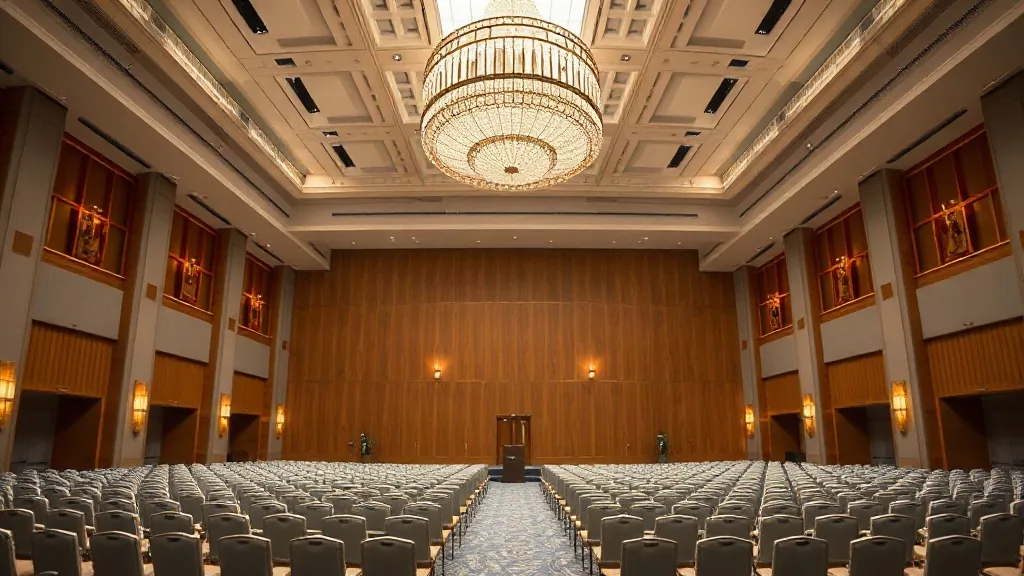
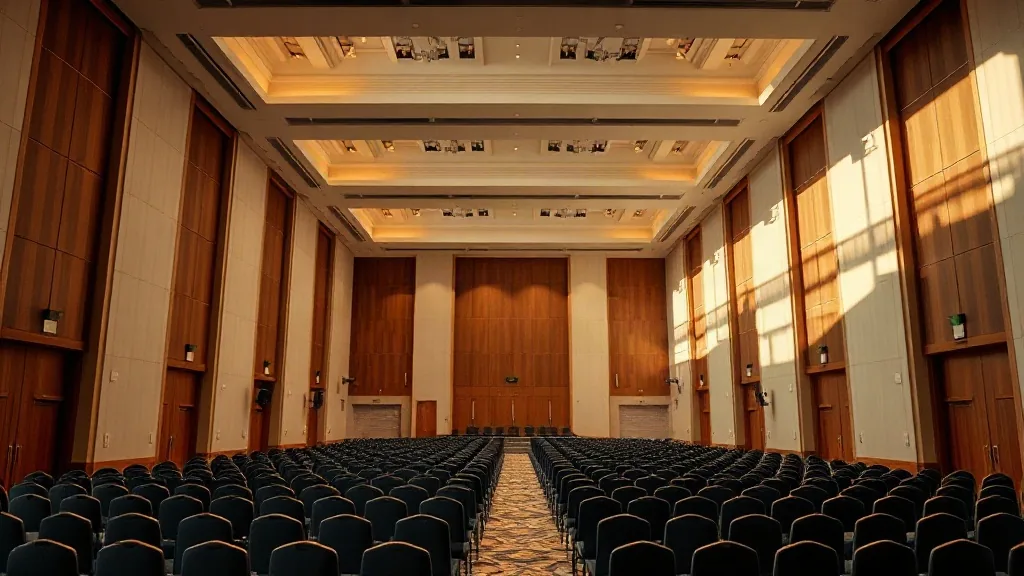
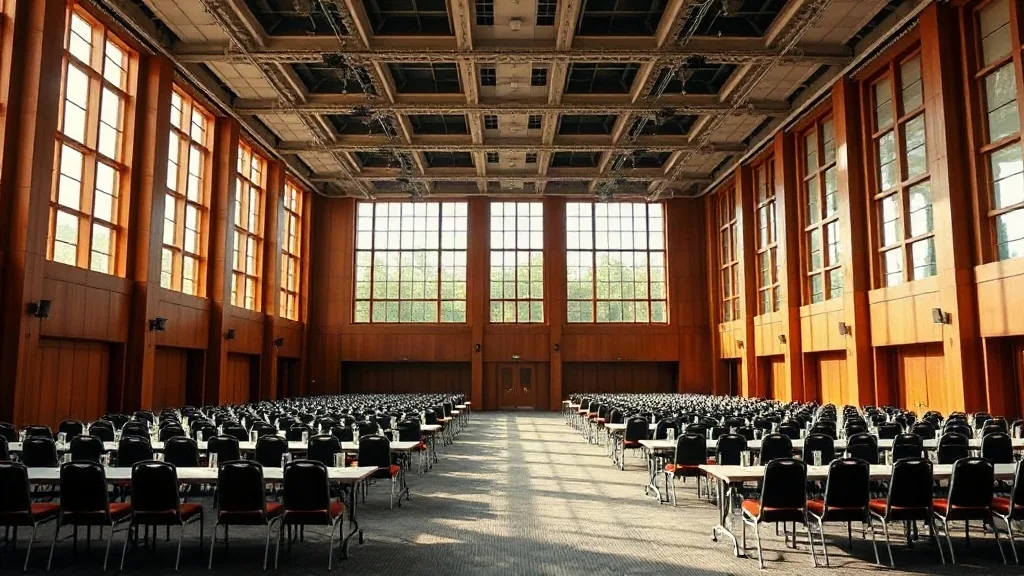
A boutique hotel with 90 rooms is not your friend, because they’ll sell the space to a wedding or a buyout well in advance. Here’s what I’ve learned to target: large full-service conference centers, university campuses with event arms, and historic mansions that rely on a mix of corporate and social events. A property 20 to 30 minutes outside the city center often has more unsold inventory because planners like me underestimate the drive time for attendees. For example, a client of mine recently needed a 200-person room for a financial services offsite. We found a conference center in the East Bay with a built-in AV package and a per-person food and beverage minimum that was 20 percent lower than a comparable spot in downtown San Francisco. There’s a reason my team checks options listed for conference centers in Gillette, Wyoming; that’s an odd case, but when the client works in energy, the venue needs to be near their site, not yours.
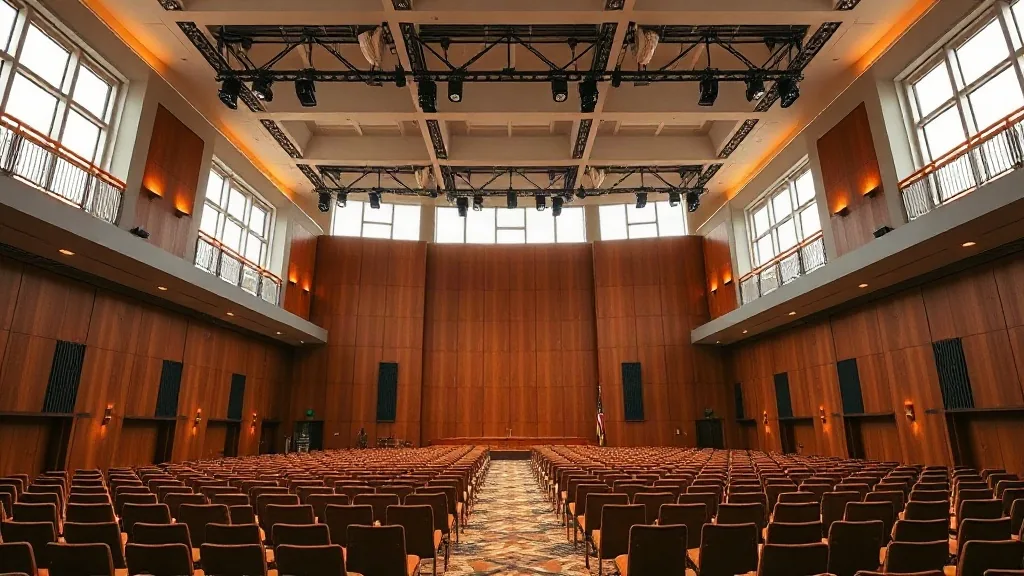
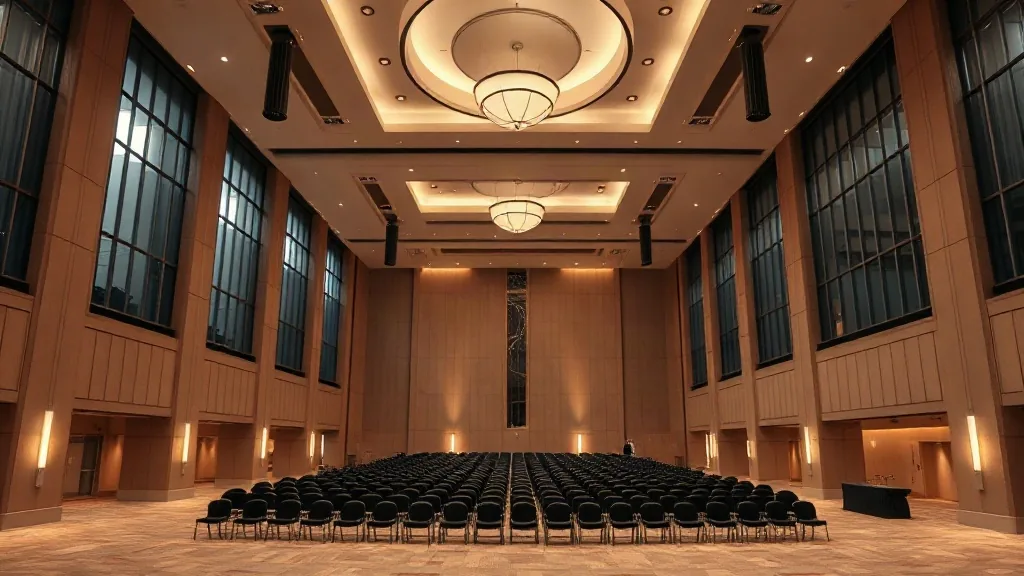
A conference center that regularly hosts trade shows has the loading docks and the electrical capacity I need for a 20-foot screen. A hotel that only does social events doesn’t have a three-phase power drop on the ballroom floor. That alone has saved my clients from renting a generator, which runs between $2,000 and $4,000 for a day, depending on the size. For a fiscal year-end celebration, where the goal is often a town hall plus a party, I look for a venue that has a divisible room. Conference centers like the ones you’ll find as options across various states tend to be built for that kind of load-in, whereas a standard hotel ballroom might need a four-hour turn which I don’t have.
Negotiating the contract when the calendar is working against you
I tell clients to prioritize two things in the contract: the cancellation policy and the food and beverage minimum. A late booking should come with a shorter cancellation window, but I’ve pushed back and gotten a reduction from 90 days to 60 days on a September event, because the venue knows they can resell a slower date. The concrete detail that saves you here is the service fee. A venue will quote you a per-person rate that excludes the 20 to 22 percent service charge and the applicable state and local taxes, which in San Francisco can push the final bill 8.5 to 10 percent higher than the quote. I had a client get a surprise charge for a temporary structure permit because their patio seating violated a sidewalk clearance rule. That was a $650 fee we hadn’t budgeted, and it was a Tuesday afternoon conversation with the venue’s operations manager.
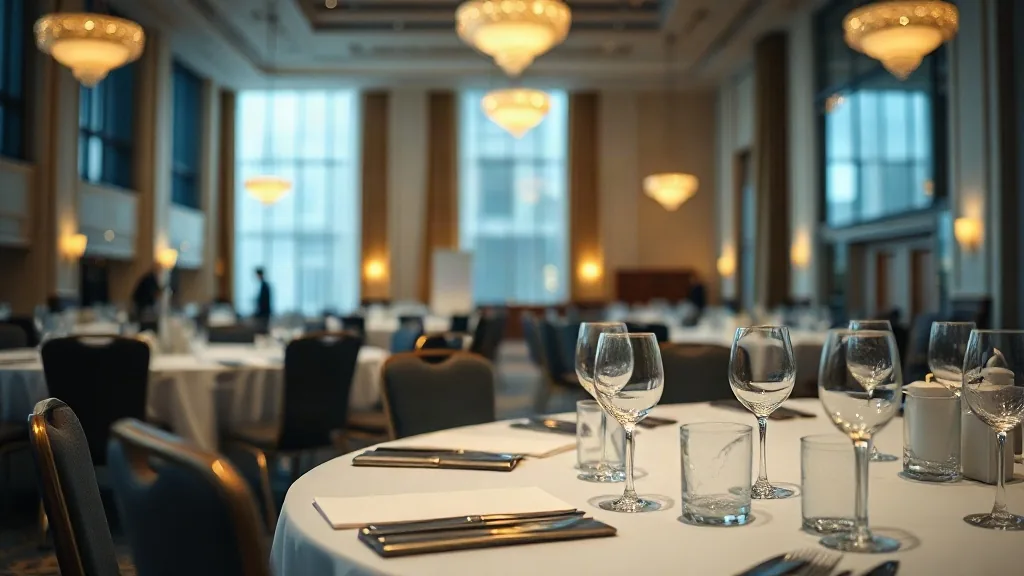
Another tip: get it in writing that the AV equipment in the quote is the equipment you’ll actually get. Late bookings often inherit a venue’s default house package, which might include a projector that is only 5,000 lumens. For a daytime presentation in a room with windows, you need 8,000 lumens minimum or your slides will look washed out. If you’re dealing with a hybrid element where you have remote attendees, ask about the venue’s internet bandwidth separately. Hotel Wi-Fi for 300 people streaming video is a fool’s errand. Budget for a hardwired temporary connection or a cellular backup and don’t let them upsell you a “high speed” package that won’t handle the load. I’ve seen the load-in schedule template we use get thrown out the window because the venue’s internet provider couldn’t schedule an install in under two weeks.
San Francisco specific considerations and where I often land
Downtown San Francisco rooms are overpriced for the experience you get at fiscal year-end, unless you need the location for travel convenience. The logistics of getting a truck into SoMa during a weekday morning is a nightmare of parking restrictions and narrow loading zones. I’ve had successful events at spaces that sit near the water in Brisbane or along the 101 corridor in San Mateo. The parking is easier, the rental rates are lower, and attendees from San Jose and Oakland both hit a drive time of about 30 to 40 minutes each way. Check resources like the guides to best event venues in San Francisco for 2026, which contain a wide mix of options, but don’t limit yourself to the top ten list.
For a more intimate executive dinner, I’ve found that historic mansions around the Bay Area give a better sense of occasion than a standard hotel suite. My colleagues in other regions report similar findings; when I’m looking at operations for clients further afield, the lists for historic mansions in a market like Milwaukee show how effective these rooms can be when the date is flexible. The lesson is the same as a conference center, look for the places that have a real kitchen and a loading door.
My closing advice is to call venues that weren’t your first choice. I know you have a shortlist from a previous event that you loved. That venue is booked. Look at the second or third tier, the ones with slightly lower star ratings on the photo sites, and ask them one question: ‘What dates in September and October do you have open that aren’t offering a discount yet?’ The answer will surprise you.
So, what’s your deadline for the venue selection? Send me the headcount, the exact dates you’re aiming for, and whether you need production support or just the room. I’ll tell you straight which of the Bay Area properties will take the call and which are going to waste your time.