
Force majeure in 2026: the clause language that actually protects you
The boilerplate force majeure clause failed a lot of planners in 2020 and most contracts still use it. Here is the specific language that triggers a real out, the standard that decides whether you owe the cancellation fee, and the edits I make before signing.
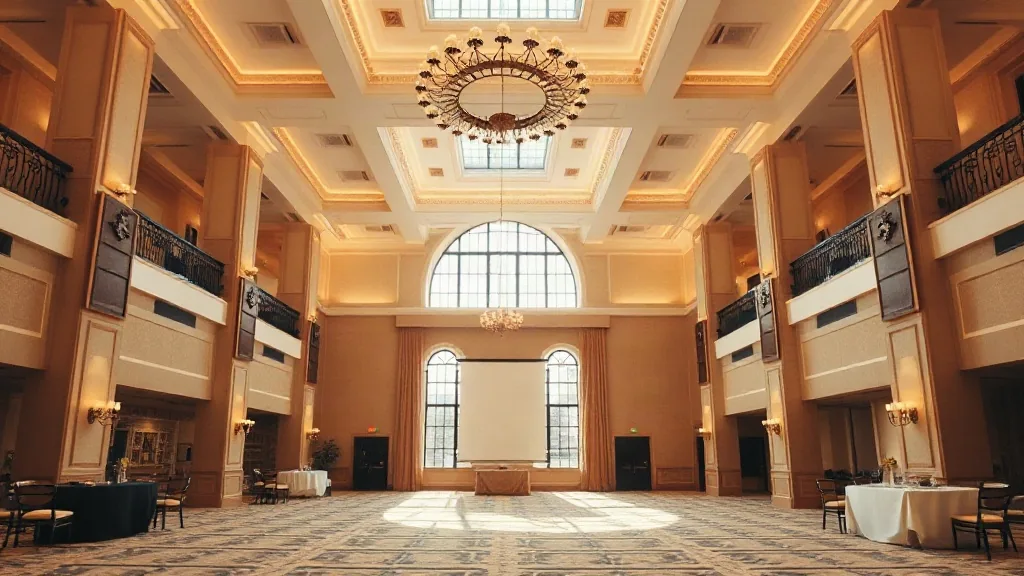
I had a client owe $38,000 in cancellation fees on an event nobody could legally hold, because their force majeure clause used the word “impossible.” A city ordinance had capped indoor gatherings at 50 people, their conference was 300, and the venue’s position was simple: the event was not impossible, just restricted, so pay the fee. They were technically right about the word. That is the entire problem with force majeure in 2026. The clause everyone signs uses a standard so high that almost nothing clears it, and planners find out only when they try to use it.
Force majeure is the “act of God” clause, the one that excuses you from the contract when something outside your control makes the event fall apart. After 2020 you would think every contract would have a modern version. Most do not. Most still run the same boilerplate from a decade ago, and that boilerplate is written to protect the venue’s cancellation revenue, not your ability to walk away when the world breaks.
The word that decides everything: impossible versus impracticable
Here is the fight in one sentence. A weak force majeure clause excuses performance only when it becomes “impossible.” A strong one excuses performance when it becomes “impossible, illegal, or commercially impracticable.” Those extra words are the difference between owing nothing and owing $38,000.
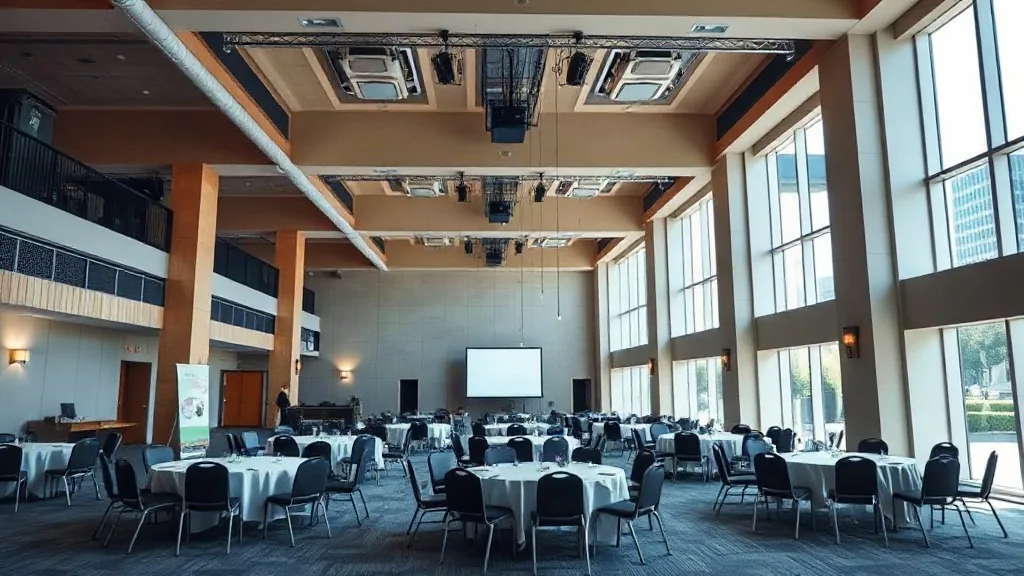
“Impossible” is a brutal standard. A snowstorm that keeps 60 percent of your attendees home does not make the event impossible; the venue can still open the doors for the 40 percent who made it, so you owe the attrition and the fee. A gathering cap that limits you to 50 of 300 people does not make it impossible; it makes it pointless, which is not the same word.
“Illegal or commercially impracticable” fixes that. If a government order makes the event illegal at its contracted size, you are covered. If a circumstance makes holding it commercially senseless, gutted attendance, a travel shutdown, you have a real argument. When I read a contract, this is the phrase I hunt for first, and the read-through I run on every deal, in how to read a venue contract before signing, puts the force majeure language near the top of the list for exactly this reason.
The list matters, and so does the catch-all
Force majeure clauses name specific triggering events: natural disaster, war, government action, and so on. Two things about that list decide whether it helps you.
First, is the list your event’s actual risk? A convention center event in hurricane season needs “severe weather” and “state of emergency” named explicitly, not just “act of God,” which venues will argue does not cover a storm that was forecast. A conference that depends on people flying in needs “travel restrictions” and “airport or airspace closure” in the list, because a canceled event caused by a grounded fleet is otherwise a gray area.
Second, is there a catch-all, and how is it worded? A good clause ends the list with “and other causes beyond the reasonable control of the affected party.” A weak one ends the list and stops, which some venues read as: if it is not on the list, it is not covered. I want the catch-all, and I want it to say “reasonable control,” because that is a workable standard. The specific edits people forget to check are the subject of force majeure clause what your venue contract probably misses, and the list-plus-catch-all gap is the one I see most.
Partial performance and the money split
The clause also has to answer what happens to the money, and this is where boilerplate stays silent and you get hurt.
If force majeure is triggered, do you get your deposit back, or is it just “excused from further performance,” meaning they keep what you paid? A clause that excuses future obligations but says nothing about the deposit lets the venue keep your money on an event that never happened. I want language that returns deposits, less documented costs the venue already incurred, when force majeure fires.
Then there is partial force majeure, the situation that actually happens most. The event is not fully canceled, it is degraded: attendance halved by a travel disruption, or capped by an order. A strong clause lets you postpone or renegotiate rather than facing the binary of hold-it-or-pay-the-full-fee. The clause that saved one of my clients real money was a postponement right buried in the force majeure section, the kind of quiet win I wrote about in the contract clause we forgot about that saved us. A right to rebook within 12 months at the same rate is worth more than most planners realize, because it turns a total loss into a schedule change.
The three edits I make before signing
I do not accept the boilerplate. Three additions turn a venue-friendly clause into one that protects the host.
- Broaden the standard. Change “impossible” to “impossible, illegal, or commercially impracticable.” This is the single most valuable edit and most venues accept it, because it sounds reasonable and they do not expect to trigger it either.
- Name your real risks and keep the catch-all. Add the specific events your event is exposed to, weather, government orders, travel shutdowns, and confirm the list ends with a “beyond reasonable control” catch-all.
- Fix the money. Add deposit return less actual costs, and add a postponement or rebooking right within 12 months at the contracted rate. This converts a canceled event from a total write-off into a rescheduled one.
None of these is exotic. They are the terms a fair contract already contains and a lazy one leaves out, and the time to add them is before signing, when a redline is routine. After signing, changing force majeure requires an amendment the venue has no reason to grant.
The clause you hope to never use is the one to fight hardest for
Force majeure is insurance. You sign hoping it sits unused for the life of the contract, and most of the time it does. But it is the clause that decides whether a canceled event costs you nothing or costs you five figures, and that outcome is set entirely by words you either read or skimmed at signing. My client who owed $38,000 did not have a bad event. They had a bad clause, agreed to months earlier, on a day when force majeure felt like boilerplate not worth the argument.
For high-stakes events, a hotel or resort or conference center booking with real deposit money at risk, this is the paragraph I fight for hardest, precisely because it is the one nobody expects to need until they need it badly.
Tell me your event date, your city, and your total deposit exposure. Seasonal weather risk, local emergency history, and how much money is on the line together tell me how hard to push on the force majeure language and which specific triggers your clause has to name.


