
Hurricane-season venues and the contingency that saved the deposit
A named storm formed 60 hours before a 300-person conference in Tampa. One clause in the contract turned a lost $54,000 into a full rebook credit with no fee. Here is the force-majeure and rebooking language that held when the airport closed.
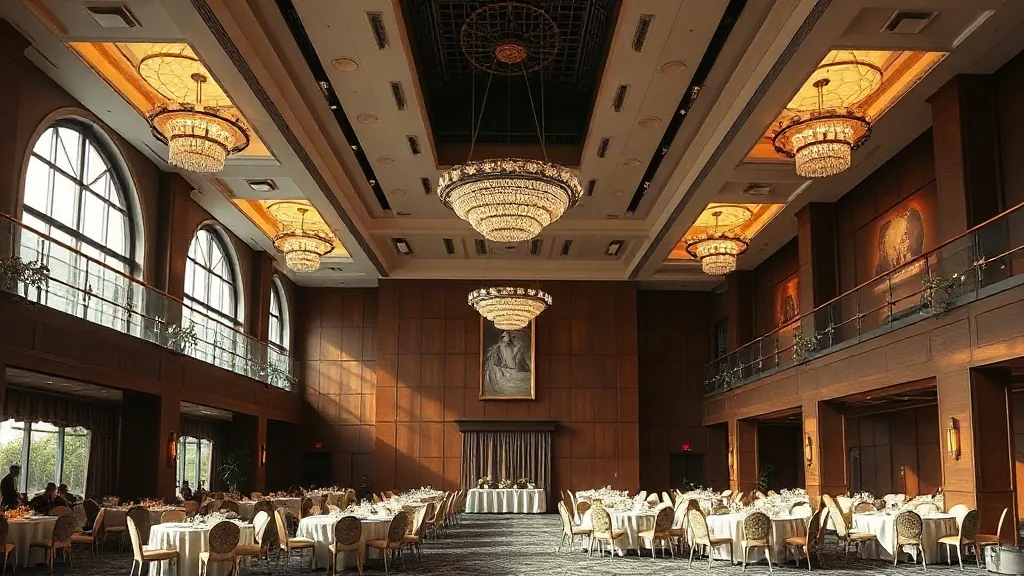
A tropical system spun up in the Gulf on a Tuesday and by Thursday it had a name, a cone, and Tampa inside it. My client’s 300-person user conference was set for the following Monday. Contract value was $54,000, most of it already paid. The airport announced it would suspend operations Sunday. Half the attendees were flying in. We pulled the plug Friday morning, and because of one clause, the $54,000 became a rebook credit for a date four months out with no rebooking fee and no lost deposit. The client rescheduled and ran the event in the winter. Nobody lost the money.
I have run production and logistics for enough Southeast events to treat hurricane season as a design constraint, not a surprise. June through November, if you book in Florida, the Gulf Coast, or the Carolinas, the storm contingency is part of the contract, not an afterthought. Here is the language that worked and the mistakes I see planners make.
Why standard force majeure fails you
Most venue contracts have a force-majeure clause, and most of them are written to protect the venue, not you. The typical clause excuses both parties from performance if an act of God prevents the event, and then says nothing about your money. So the venue is excused from hosting, you are excused from showing up, and your $54,000 sits with the venue because the clause never addressed refund or rebooking. Being mutually excused from performance does you no good if the deposit is gone.
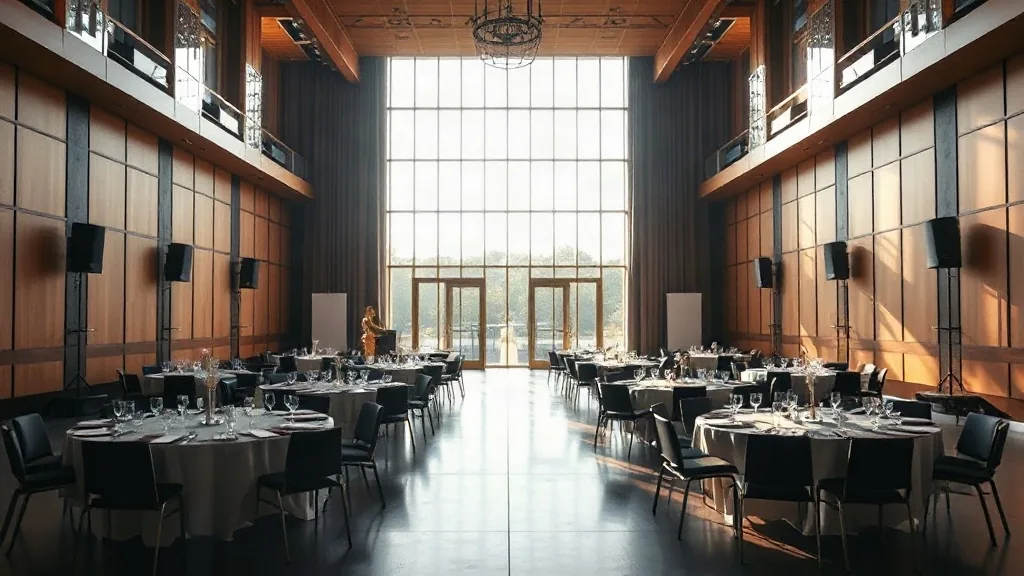
The clause that saves the deposit has to do more than excuse performance. It has to say what happens to the funds.
The three things the clause must state
One, a clear trigger. “Act of God” is too vague to invoke cleanly. I name specifics: a hurricane or tropical storm warning issued by the National Hurricane Center for the venue’s county, a mandatory evacuation order, or a declared state of emergency covering the event location. Naming the trigger means we don’t argue about whether the storm counts. When the warning posts for the county, the clause fires.
Two, a low invocation bar. The clause should trigger on a warning or a government order, not on the storm actually making landfall on the building. By the time a hurricane hits the venue it is far too late to have cancelled safely. I write it so a warning for the county, or airport closure, or a mandatory evacuation, is enough. The event is dead the moment the airport closes even if the sun is out at the venue.
Three, what happens to the money. This is the part that saved us. The clause specified that on a triggering event, the client’s choice is a full rebook credit valid for 12 months with no rebooking fee, or a refund of all payments less documented non-recoverable costs. We chose rebook. The credit carried the full $54,000 to the winter date. Without this sentence, we would have been “excused” and broke.
I have written more about the force-majeure language your contract probably misses, and the money sentence is the one people leave out most.
What “non-recoverable costs” means and how to cap it
The venue will want to keep costs it has already spent that it can’t recover, food ordered, custom rentals, labor already scheduled. That is fair. What is not fair is an open-ended deduction. I cap it. “Non-recoverable costs shall not exceed 15 percent of contract value and shall be documented with receipts.” On a $54,000 event that caps the venue’s keep at $8,100, and in practice a storm 60 hours out means most food hasn’t been ordered and most labor hasn’t been called, so the actual deduction is small. The cap and the receipt requirement stop the venue from claiming the whole deposit as “already spent.”
The rebook credit is better than the refund
Given the choice, I take the rebook credit over the refund almost every time, and I make sure the clause offers both so the choice is mine. A refund gets my client’s money back but the event still has to happen, which means finding a new venue, new dates, and eating the search cost. A rebook credit keeps the relationship, keeps the rate, and just moves the date. The venue prefers it too, because they keep the booking. That shared interest is why venues will agree to a no-fee rebook credit more readily than to a clean refund. Ask for both, choose the credit.

The credit needs a real window. Twelve months is my floor. A 90-day rebook window is a trap in hurricane season, because the storm that killed your fall date may not leave you a good replacement date before the window closes. Twelve months let us move from a fall conference to a winter one, out of storm season entirely.
Where you book changes your exposure
An indoor event at a conference center or a hotel survives the storm itself. The building is fine. What kills the event is access: closed airport, evacuation, staff who can’t get in, attendees who can’t fly. So the contingency is about the money and the calendar, not the roof.
An outdoor event is a different animal. A tent rated for 90 mile-per-hour winds is still an evacuation risk, and any Florida outdoor booking needs two backup plans, the indoor fallback and the reschedule. For outdoor work in season I book the indoor backup at the same property when I can, so the fallback is a room move, not a new contract.
The pre-season checklist I run
- Book indoor for anything June through November in a storm-exposed market, or book an indoor fallback in the same contract.
- Write the named-trigger force-majeure clause with the money sentence, the cost cap, and the receipt requirement.
- Get a rebook credit with a 12-month window as the primary remedy.
- Confirm the venue’s own storm protocol: when do they close, who decides, how do they notify.
- Buy event cancellation insurance for the biggest events, because the clause covers the venue’s money but not your attendees’ non-refundable travel.
The $54,000 came back as a usable credit because we did this work at signing, in March, before anyone was watching the tropics. You cannot negotiate a storm clause with a hurricane in the Gulf. The venue has no reason to give you anything then.
If you’re booking in a hurricane-exposed market this season, tell me your dates, your city, and whether the event is indoor or outdoor. I’ll tell you exactly what trigger language and rebook terms to put in the contract before you sign. When and where are you booking?


