
Planning a private-equity portfolio-company summit that CFOs approve
A PE summit gets scrutinized line by line by people who read balance sheets for a living. Here is how I build a venue budget that survives that review, and where the money should and should not go.
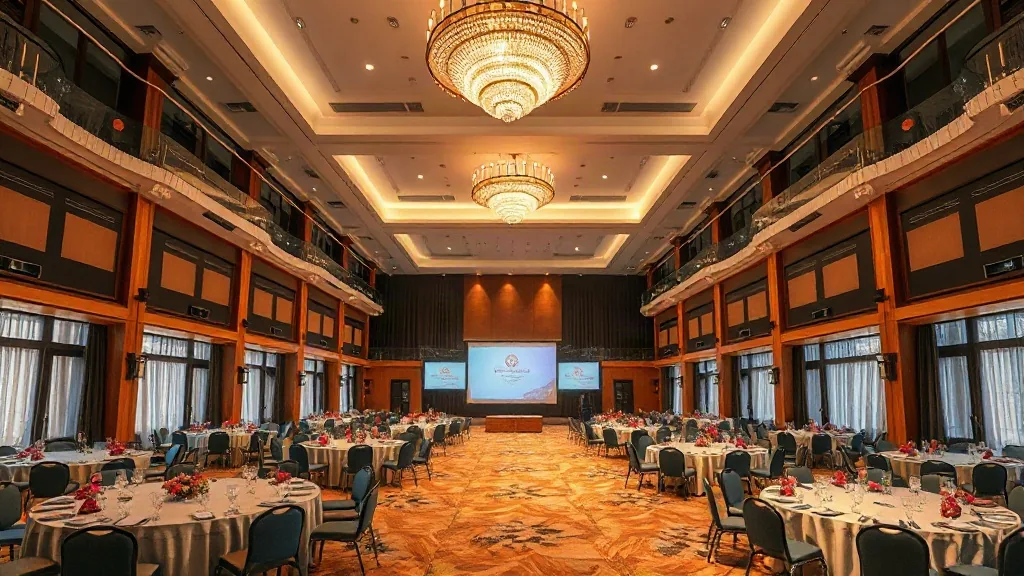
I once sent a PE operating partner a summit budget with a $46,000 F&B line, and he sent it back with one word next to it: “why.” Not angry. Just “why.” That is the whole audience for this event in one email. The people approving a portfolio-company summit are not marketers who fall for a pretty room. They are investors who will ask what every dollar returns.
A PE summit pulls the CEOs and CFOs of 8 to 15 portfolio companies into one room for two or three days of operating reviews, cross-portfolio learning, and value-creation planning. The fund pays. The fund also counts. So the venue plan has to read like an operating decision, not a party.
The room list is short and the CFOs know it
A portfolio summit runs on a small set of spaces, and padding the list is the fastest way to get flagged. You need one general session room for the full group, three or four breakout rooms for company-by-company reviews or functional tracks, and one dinner space. That is it. If your venue proposal has a “welcome lounge” and a “wellness suite” on it, expect a red pen.
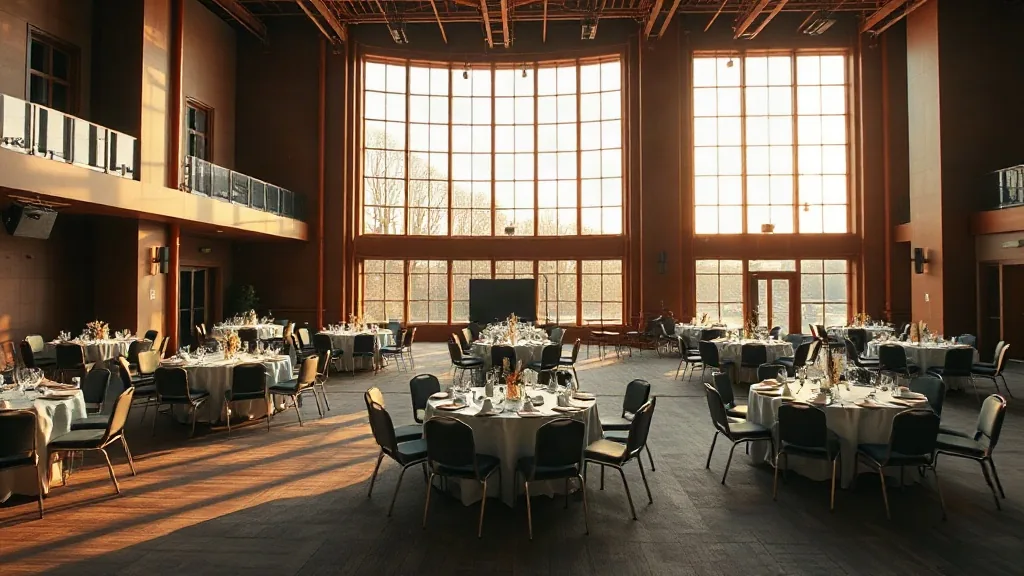
For 60 to 120 attendees I size the general session at classroom or crescent-round rather than theater, because these are working sessions where people take notes and pull up their own numbers. Classroom seating eats more square footage per person, so a 100-person working summit needs a room rated closer to 200 theater. Book that mismatch on purpose. A packed theater-style room signals a rally. A comfortable classroom signals work, and work is what the fund is paying for.
Where the money should go
CFOs do not object to spending. They object to spending that does not tie to an outcome. So I put the budget where the operators actually feel it:
- Meeting-room comfort and good AV, because a summit is 20 hours of people sitting and presenting real financials. Bad chairs and a dim screen cost you attention, and attention is the product.
- Working meals that let conversation happen. Seated dinners of 8 to 10 per table beat a standing reception if the goal is cross-portfolio relationships.
- Enough breakout rooms that two tracks never share a wall. Sound bleed between a struggling company’s review and a strong one’s is a real problem.
Where the money should not go
- Elaborate staging and branded scenic. A PE audience reads a big-budget set as the fund spending its own carry on theater. Keep the general session clean and functional.
- Open bar all night. A hosted bar for a defined two hours reads as hospitality. An open tab until 1 a.m. reads as a line item nobody will defend in the LP letter.
- A destination that needs a connecting flight for half the group. Travel cost multiplies by headcount, and the CFO adds it up even when you do not.
I go deeper on this split in what the CFO actually approves for events, but the short version is: fund the working experience, cut the spectacle.
Venue types that pass review
For most portfolio summits I land on one of three. A full-service conference center gives you the tightest per-person math because meeting space, meals, and often rooms bundle into a complete-meeting-package day rate, usually $95 to $185 per person per day depending on the market. That single number is a gift when a CFO asks what a day costs. You hand them one figure.
A hotel or resort with strong meeting space works when the group flies in and needs rooms on site. Watch the room-block attrition and the F&B minimum. Both are where hotel summits blow their budget. Negotiate the attrition threshold down to 70 percent and get the F&B minimum measured before service charge, not after.
A historic mansion works for the smaller, senior-only version. If you are pulling 25 CEOs together with no junior staff, a private estate reads as serious and controlled, and the intimacy fits the conversation. It costs more per head and needs AV brought in, so I only recommend it above a certain seniority.
The attrition and minimum math the CFO will find
Here is the trap that turns an approved budget into an overage. A hotel contract for 80 rooms across two nights at $239 with an 85 percent attrition clause carries roughly $32,504 of guaranteed room revenue. If only 60 people book rooms, you owe the shortfall on the 8 rooms below the 68-room floor. That is real money the CFO will find on reconciliation, and they will ask why you guaranteed 80 when 60 showed.
So I under-guarantee on purpose. Contract the block you are confident fills, add rooms later at the same rate if demand climbs. It is nearly always cheaper to add than to eat attrition. The event budget approval process that works has the fuller framework for building numbers that survive a second look.
Keep the agenda out of the venue’s hands
One more thing that trips PE planners: the fund’s operating partners often want a keynote-free, no-fluff format, and some venues push their standard “conference package” with an emcee and a stage program you do not need. Say no early. The keynote-free private-equity offsite format is what most funds actually run, and it needs less production, not more. Do not let a venue upsell you into a program your audience will resent.

The breakout count is where planners overspend
One more line the CFO reads closely: how many breakout rooms you contracted versus how many you used. Venues charge for held rooms whether or not a session runs in them, and it is easy to over-reserve. A summit with four functional tracks needs four breakouts plus the general session, five rooms. If your track schedule stacks two sessions back to back in the same room, you may need only three. I map the agenda against the room grid before I sign, because an unused breakout at $1,500 a day for three days is $4,500 spent on an empty room, and that is exactly the line a fund’s finance team circles.
I also confirm whether the general session room can flip to a dinner setup, or whether dinner needs a separate held space. If one room does double duty, that is a real saving. If the venue’s turnover time forces a second room, price it in early rather than discovering it on the final invoice.
The build order
- Confirm the portfolio-company count and total headcount. This sets room size and meal count.
- Pick the market by travel math. Central to the most CEOs beats a glamorous coast every time on cost.
- Get complete-meeting-package pricing from two conference centers and a per-line hotel quote. Compare the all-in day rate.
- Lock the general session as classroom or crescent, not theater.
- Under-guarantee the room block. Add later.
- Present one all-in per-person-per-day number to the fund. That is the number they approve or cut against.
Give me the number of portfolio companies, the total headcount, and how many of them fly versus drive. With those three, I can tell you whether a conference center’s package or a hotel’s per-line quote wins, and roughly what the fund should expect to defend per attendee per day.


