Planning for forty people, the size most venues price badly
Forty guests hits the pricing sweet spot where venues demand minimums built for sixty.
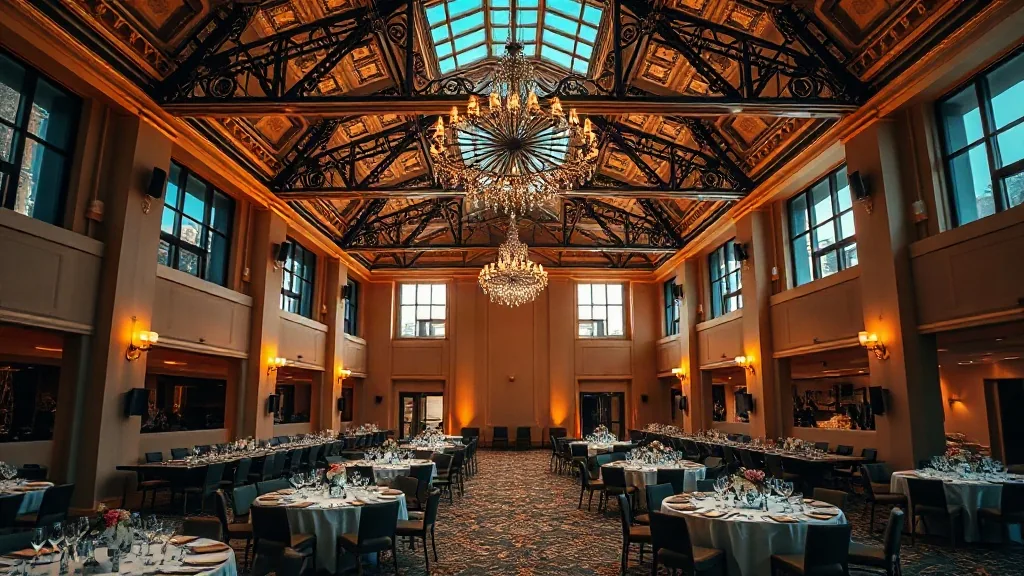
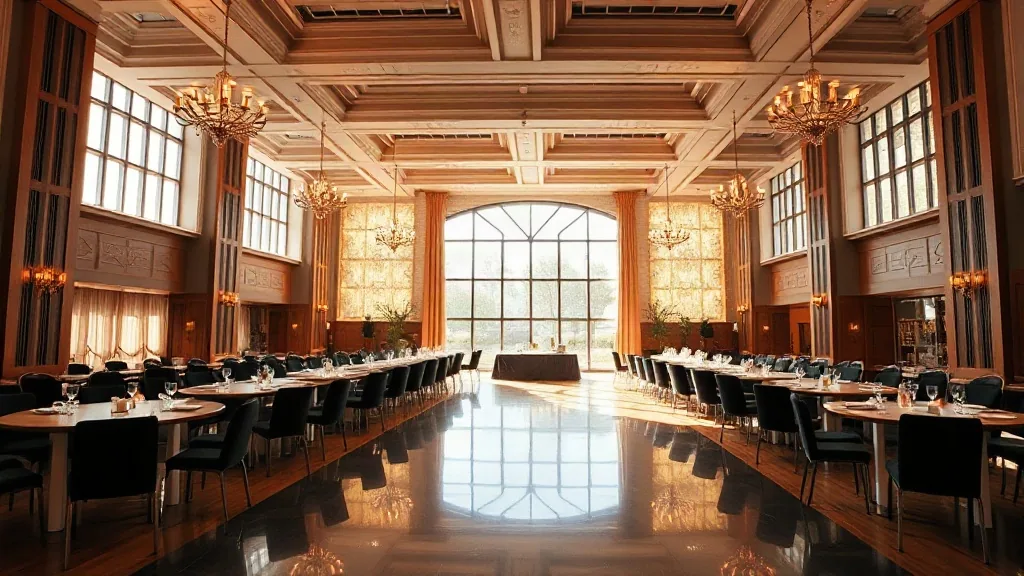
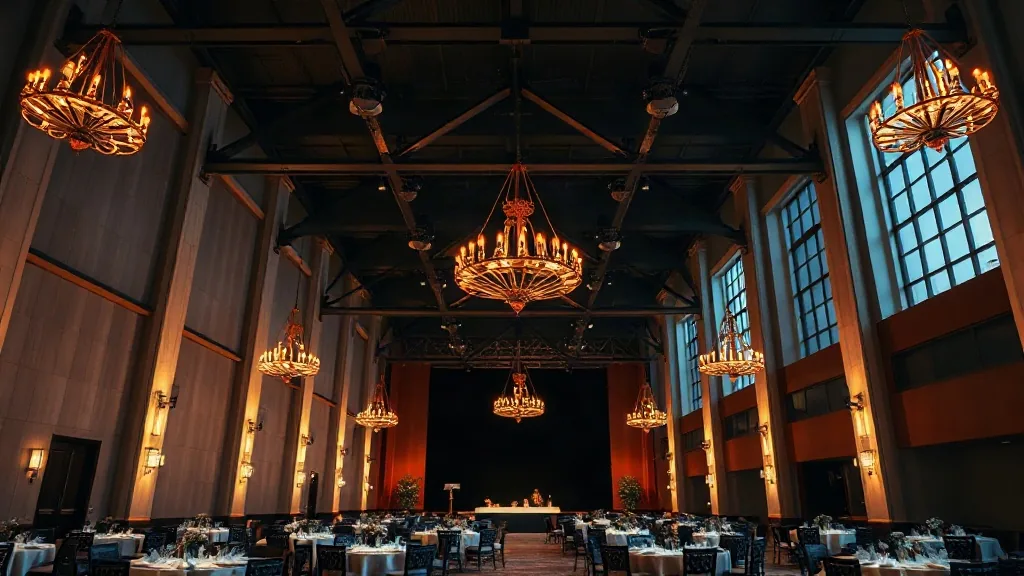
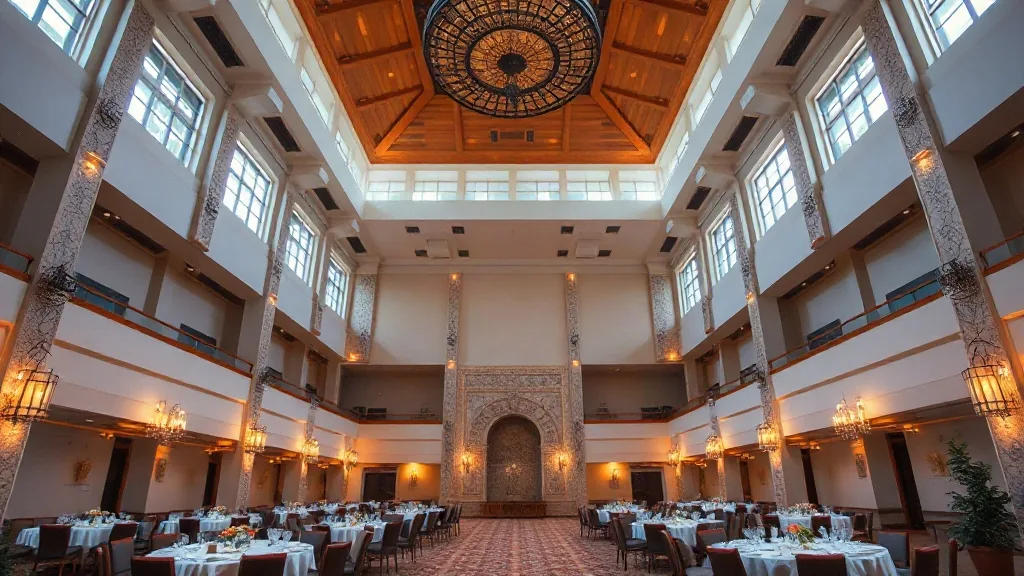
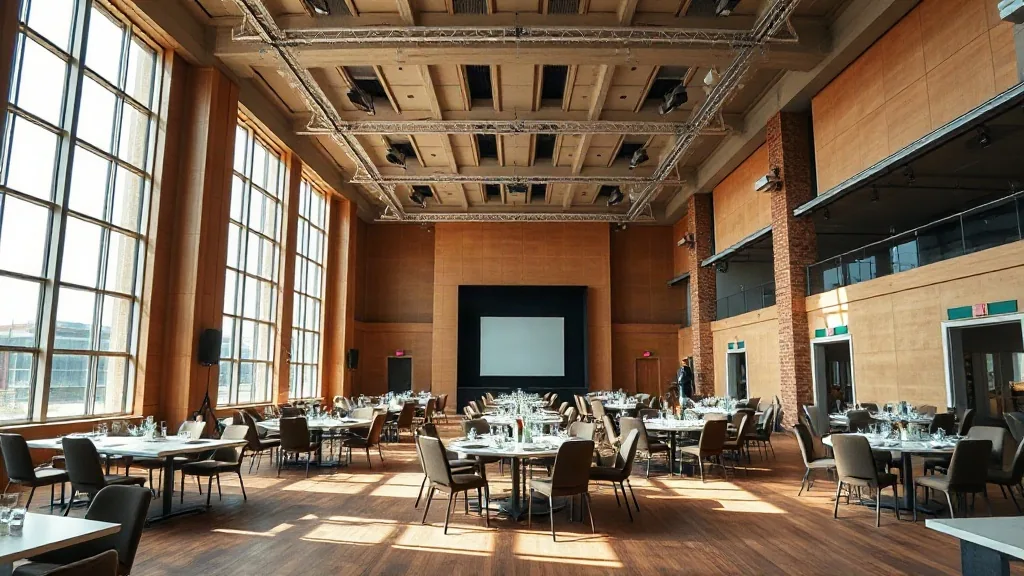
Forty people is the worst size to shop for. A standard private dining room maxes out around thirty, and the banquet spaces at most hotels start at fifty covers, which means you are suddenly pricing food and beverage minimums built for an empty quarter of the room. In Atlanta, I just booked a Midtown Italian spot for a software client and the minimum for the semiprivate space was $3,200. For forty people, that works out to $80 a head before tax and tip, which sounds fine until you realize the room holds sixty and the venue has priced that minimum assuming a full house. You are not paying for your dinner. You are paying for their empty tables.
I came up booking bands and lighting rigs before I moved to planning, so I have stood on the loading dock side of fifty different venues while the sales manager quoted numbers she did not expect me to check. Here is what I tell my tech and agency clients every month: for forty people, you stop looking at the per-head price and start asking about the room’s total capacity. That number changes everything about what you negotiate. I would rather pay a $2,900 minimum in a room that seats forty-five than a $3,400 minimum in a room that seats seventy-five, and I will walk any venue that argues otherwise.
Why Forty Breaks the Standard Venue Price Ladder
The workaround is to treat forty as a floor, not a ceiling. Ask about the next size down in the venue’s rotation. A restaurant with two private areas is your friend here, because they will often book both for the night but only charge you the combined minimum for the one you use. On a Tuesday through Thursday date in a mid-market city like Cincinnati, I have negotiated a $2,200 minimum for forty people in a room that normally requires $3,000, by agreeing to a fixed menu and a two-hour service window. The venue gets certainty, and you get a price that reflects your actual count. If you are scouting the Ohio market, the private dining options in Cincinnati include a few spots that openly quote the two-room trick.
Build Your Own Minimum Instead of Taking Theirs
The contract line that matters is the one that says what happens if you do not hit the minimum. Most venues want the higher of the minimum or the actual consumption, which is fair. The clause that hurts is the one that adds a service charge and an admin fee on top of that minimum. I have seen an 8 percent admin fee sneak in on the second page of a contract, which turned a $3,200 minimum into $3,456 before a 20 percent service charge and sales tax. That is the number you negotiate, not the clean quote from the first email.
When the minimum is expressed as a dollar figure, I ask for it to be lowered and the difference made up on the bar side. Open bar packages carry a higher margin than food, so a venue will often accept a $2,800 minimum if you agree to a $45 per person hosted bar for two hours. That split also helps you forecast because the bar charge is fixed and the food is a set menu. I did this last spring for an agency wrap party in Atlanta and ended up $1,600 under what the venue’s first quote implied, with a three-course meal and a call brand bar.
Cities Where the Math Gets Weird or Gets Easy
The pricing patterns shift depending on where the venue sits in its market. In smaller markets, the squeeze is different. For a corporate dinner in Cabot, Arkansas, the inventory of restaurants with private dining is thin, which usually means the minimums are stubborn because the venue knows you have nowhere else to go. Forty is still too many for the booth area and too few for the event hall, so I have booked a local steakhouse’s patio room with a tent top in April and gotten a $1,800 minimum that included setup and linens, because the venue had no other interest for a weeknight.
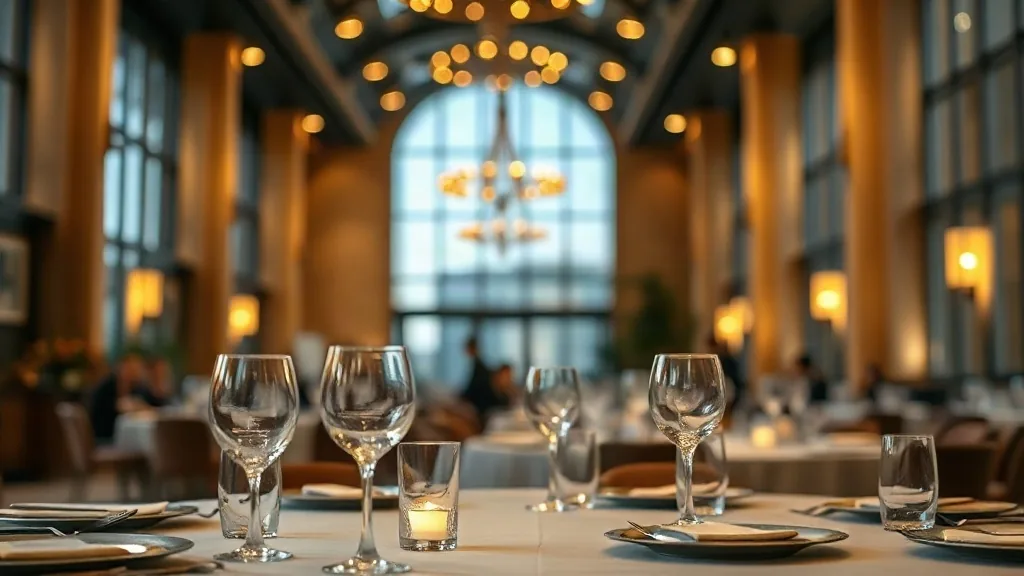
Lewes, Delaware has the opposite problem. I planned a client retreat there in June and found a private room that held fifty, and the venue quoted a minimum that assumed the room filled. I countered with a Tuesday midpoint and a preset menu of one protein and one vegetarian option, and we settled at 30 percent below the initial quote. That town has a fair number of rooms listed among Delaware restaurants with private dining, but the good ones book out six weeks ahead in summer, so your negotiation position disappears if you call late.
Buffalo is where I see the rooftop venues play games. A rooftop in July is gold, and they price it that way, with a rental fee that can outstrip the food minimum entirely. I have booked a Buffalo rooftop for forty the second week of June, paying a $1,500 room fee plus a $2,200 food and beverage minimum, but I got them to include the bar stools and high tops in the rental because the room was empty on a Tuesday. That furniture inclusion saved me roughly $400 against the local rental houses.
Negotiating Tactics That Work Specifically at Forty Seats
For seating, I use the math from the breakout room formula, which says a round table of ten needs a little over one hundred square feet to keep chairs from scraping. With forty people, that is four rounds, and a room that fits four rounds comfortably usually has enough space to add a fifth for a walk-in pantry or a dessert cart. I use that extra space as a bargaining chip. If they say the room caps at forty, I ask if the dessert station can live in the hallway alcove, which frees a table worth of floor space and lets them keep the count.
The people issue matters as much as the plates. With forty heads, you are over the threshold where the restaurant assigns one dedicated server and a helper, and into a tier where they will assign a full service team. I have found most venues underquote that labor cost in the minimum, then add a 22 percent auto gratuity to the final invoice to cover it. That is legitimate, but I ask to see the auto gratuity in the quote so I am not reconciling a bill that balloons by $700 at the end of the night. If the room is a space I am unfamiliar with, I ask for a social hour in the same spot first, coffee and pastries on a Friday morning, to watch how the staff works the floor with fewer bodies. A bad staff match at forty is worse than a bad floor plan, because the room is large enough that one slow server means the table on the far side waits ten minutes for a pourer.
That same site check lets you confirm the audio works for forty without hiring a production crew. A room that holds seventy or more usually has the sound to fill it, but the forty-seat rooms often skip the speaker upgrade, and I ran into that at a Visalia, California private dining gig where the sales manager insisted the ceiling speakers were fine and then the CEO could not hear the welcome toast from the middle of the room. We solved it with two portable speakers in five minutes, but it costs a load-in fee and it is the kind of thing that makes me ask three direct questions about their sound before I sign. Final word on the whole category: the price for forty is a fiction the venue writes on a bad assumption, and your job is to rewrite it. Tell me your headcount, what month you are looking at, and what city you are in, and I can tell you the first number I would ask for from the venue, before you ever call them.