Thanksgiving week events: low competition, low attendance
Thanksgiving week event bookings come with deep discounts but sparse attendance.
Thanksgiving week on the corporate events calendar always looked like a dead zone to me until I actually booked one. In 2022, a finance client saved $4,800 on a room rental at a hotel near Tampa International because their Wednesday-before-Thanksgiving event fell outside the peak season rate card. The room was empty otherwise. That savings is the whole pitch, but it comes with a trade-off you need to plan around.
The Wednesday slowdown is real, and so is the deal
I have run two successful Wednesday events during Thanksgiving week, and both drew their intended headcount, which was great, because the pricing made even an 80 percent turnout a budget win.
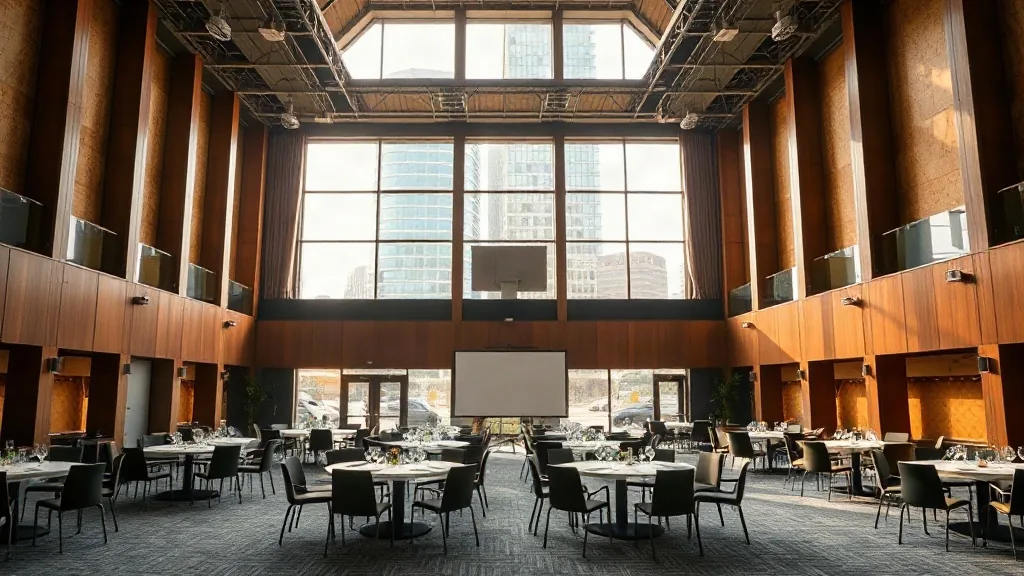
The hotel I use for finance events in the Orlando area quoted me a room rental of $1,200 for a Wednesday in late November, against a normal $3,500 for the same space on a random October Wednesday.
The food-and-beverage minimum took a bigger proportional drop than the room rental, which matters because the minimum is usually the clause that kills a small event. At one property, the minimum fell from $8,000 to $5,500. My advice is to negotiate on the minimum first, not the rental rate, because the sales manager has more discretion on the minimum during a slow week.
The other practical benefit is vendor availability. The AV vendor I normally book through had a crew free at a 20 percent discount on the Wednesday rates, and the chef at one restaurant was willing to write a shorter, prix-fixe menu because the kitchen was not also covering a 300-person holiday party.
What I actually do with the low-attendance risk
The fear of a half-empty room is usually what stops a planner before the budget conversation starts. Set the RSVP cutoff fourteen days out, not the standard seven, and you will have a clearer picture of who plans to come.
My tracked pattern is that Thanksgiving week events see about 25 percent more no-shows than an average monthly corporate event, because people’s family plans shift in the final week.
Use the attendee list in the two weeks after your event, but for the pre-event phase, schedule a single confirmation email that goes out eleven days before the date. That email should ask for a direct response, not just an open rate, because a reply confirms the person is still planning to attend.
Rebooking a venue with a lower guarantee is much easier in the final ten days than it is in the final forty-eight hours, so push for answers early.
On the menu side, I steer clients toward a plated dinner rather than a buffet during Thanksgiving week. The kitchen can prep plated meals more easily with a reduced crew, and the venue is more likely to waive the service charge on a plated menu because the labor cost is predictable. The per-head price is higher, but the guaranteed minimum can be lower, so the total lands about the same.
You should also think about the attendees who do come and feel a bit resentful that they are missing family time. I run my Wednesday sessions from 10:00 a.m. to 2:00 p.m. instead of the standard 9:00 a.m. to 5:00 p.m., and I have never had a client complaint about the shortened day.
The event space itself performs better with a smaller group. A private dining room that fits your confirmed headcount is more intimate than a ballroom you have set up for half the room’s capacity, which is why I look at spaces like a well-regarded restaurant’s private dining area first and a hotel ballroom second during this week.
Finding a venue that won’t judge your headcount
A hotel ballroom at 40 percent capacity feels empty, but a private dining room at full capacity feels full, and that perception shapes the energy of the whole afternoon. For a Thanksgiving week event with a guest list between 20 and 60 people, I will always pick a restaurant with a dedicated event space over a hotel function room.

The restaurants that do corporate buyouts during a normal week are also much more available on the Wednesday before Thanksgiving, because most corporate holiday parties land on a Friday or a Thursday in early December instead.
Restaurant event managers I have worked with in Florida are happy to skip the feast menu entirely if you ask. You can hold a working session in the morning and then serve a normal lunch menu at noon, which keeps the dietary needs simple for people who have a big family dinner the next day. One venue in Deltona, Florida offered me a clam bake and salad bar lunch at $38 a head with a private room for 45 people, which undercut their own Friday night reception pricing by a wide margin.
The key search angle is to look for restaurants that already have private dining capacity but low corporate demand during this specific week. A smaller market restaurant is often a better bet than a major city venue because the local corporate calendar is thinner. For clients who want a spread of options across the country, I have used good results from dedicated listings for corporate private dining spaces in smaller towns, which often have the strongest deals because they lack the normal weekday corporate lunch volume. The same logic applies to regional properties in places like Kentucky, Mississippi, and Maine, where the local business calendar is quiet and the event manager is eager for any midweek booking.
Read the contract’s force majeure clause, and pay specific attention to the attrition language.
A normal event might have a 10 percent attrition allowance, but I have negotiated a 20 percent allowance on Thanksgiving week events because the attendance risk is higher. The sales manager usually agrees because they know the dates are soft.
The hangover planning issue, for the Friday after
What surprised me the first time was the day after the event, not the event itself. Wednesday worked perfectly. Friday’s morning was a scramble, because my client’s marketing team was checking email only sporadically and the post-event lead handoff stalled for five days.
Do not schedule the full post-event workflow during Thanksgiving week. Plan a hard stop on the day after the event and push the survey, the lead distribution, and the thank-you notes to the following Monday.
The feedback you get on the Monday after Thanksgiving will still be accurate, and your respondents are in a better mood than the people who get a survey at 4:30 p.m. on the Wednesday before the holiday.
One client I worked with closed a follow-up meeting with a prospect who attended the Wednesday event, but only because we waited until the following Tuesday to send the proposal. If we had sent it on Friday, it would have sat unread under a pile of holiday email and risked being forgotten.
For the event itself, you also want to evaluate your in-house AV versus an outside vendor decision with a shorter technical rehearsal in mind. The venue’s in-house team is more likely to have someone on site during a holiday week, while an outside vendor has to travel in and may face limited loading dock hours. For a two-hour session with just a microphone and a slide deck, I let the venue’s in-house equipment handle it, and I reserve the outside AV budget for events with complex staging needs. If you are weighing this choice, my guide on how to evaluate in-house AV versus an outside AV vendor covers the trade-offs in more detail.
Ask the attendee list what the day after Thanksgiving looks like for them, and hold your post-event review only with the people you know will be available, which is rarely everyone.
If you have been thinking about a Q4 event that keeps getting pushed to January, a Thanksgiving week Wednesday session can give you a quiet, budget-friendly option to wrap up the year’s objectives without fighting for dates in the busy early December calendar. Tell me your headcount, your preferred city, and the date you have in mind, and I will tell you honestly whether this week’s pricing offsets the attendance risk for your specific group.