
The sustainability clause worth adding to your venue contract
A sustainability promise made on a site visit is worth nothing at execution. Here is the specific, enforceable clause I add to venue contracts so the green commitments actually happen, and the exact language to use.
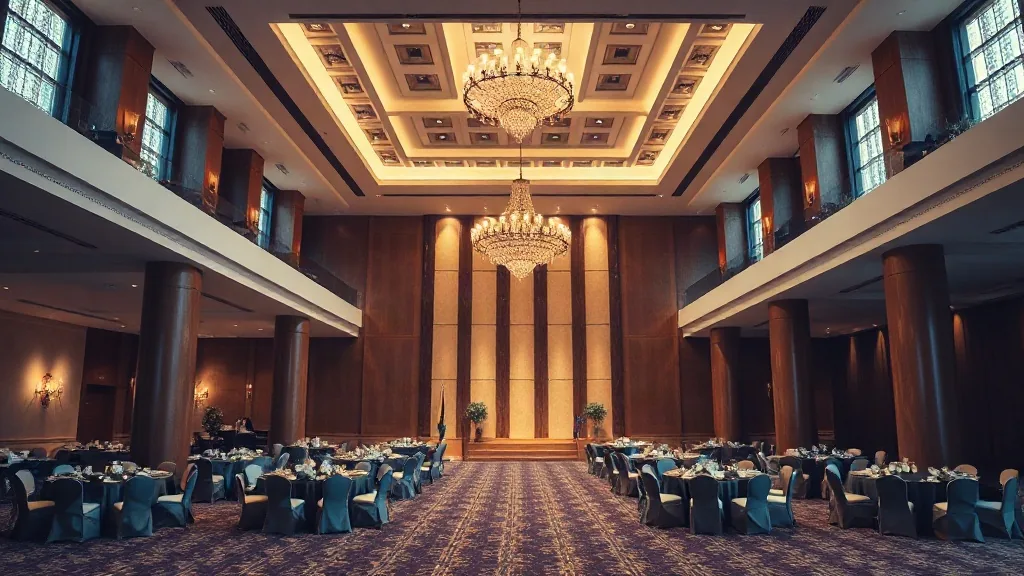
The venue’s sales director spent ten minutes of our site visit describing the property’s composting program, LED retrofit, and food-donation partnership. I asked her to put three of those commitments into the contract as specific obligations. The room went quiet. Two of the three quietly did not apply to event catering, only to the hotel restaurant, and the third had lapsed the year before. A sustainability promise on a site visit is marketing. A sustainability clause in the contract is an obligation. The gap between the two is where every green event commitment goes to die.
I run policy and association convenings where the sustainability of the event is often part of the mandate, not a nice-to-have. So I stopped accepting site-visit promises and started writing the clause. Here is the one worth adding.
Why a clause, and not a conversation
Everything at an event runs off the contract and the banquet event order. The captain in the room does what the paperwork says, not what the sales director promised three months earlier to a planner she will never see again. If a sustainability commitment is not written as a specific, assignable obligation, it does not happen, and you find out after the event when you cannot fix it. This is the same principle behind every contract clause that matters, which I cover in how to read a venue contract before signing: if it is not in writing, it is not real.
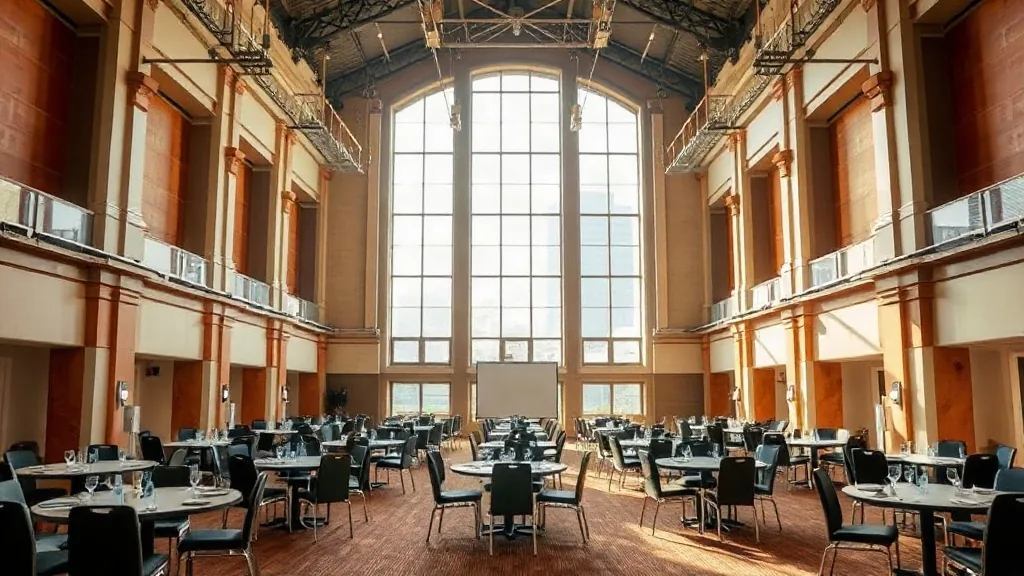
The clause also protects you politically. When your board or your membership asks whether the event met its sustainability commitments, “it is in the contract” is an answer. “The sales director mentioned composting” is not.
What the clause must do
A useful sustainability clause has four properties. It is specific, so there is no argument about what was promised. It is assignable, so a named party is responsible. It is verifiable, so you can confirm it happened. And it has a consequence, so the venue has a reason to comply beyond goodwill.
Vague language fails all four. “Venue will use commercially reasonable efforts to minimize environmental impact” is unenforceable noise. It commits the venue to nothing, and a lawyer wrote it precisely so it would.
The language I actually use
I build the clause from specific, executable commitments, each one a line the banquet captain can act on:
Waste and service. “Venue shall serve all seated meals on reusable china and glassware, provide water via pitchers and dispensers rather than individual bottles, and shall not use single-use disposable serviceware at plated or buffet service.”
Food recovery. “Venue shall release edible surplus food to Client’s designated food-recovery organization at the conclusion of each meal service, and shall provide reasonable dock access for pickup.” I arrange the recovery partner myself, because expecting the venue to build that relationship for one event is how the clause fails.
Guarantee discipline. “Venue shall prepare food to the guaranteed count plus the standard overset only, and shall not overproduce beyond contracted guarantee.” This one cuts the largest source of event food waste and costs nobody anything.
Verification. “Venue shall provide Client, within 30 days post-event, a summary of waste diversion and food-recovery quantities for the event.” Verification is what turns a promise into something you can report on, and asking for it up front tells you fast whether the venue can actually deliver, because a venue that cannot measure it cannot do it.
Tie it to something the venue cares about
Language without a consequence is a suggestion. I do not usually attach a financial penalty, because venues resist it and it sours the relationship. Instead I tie the clause to the final payment approval: the post-event verification summary is a condition of closing out the contract cleanly. That gives the venue a concrete reason to execute without turning the whole thing adversarial. For higher-stakes commitments I have negotiated a modest credit if the verified diversion falls below the committed level, which focuses the banquet team nicely.
The forgotten-clause principle applies here too. The commitments people skip in the contract are the ones that bite later, and I learned that the expensive way, which I wrote about in the contract clause we forgot about that saved us. A sustainability clause is cheap to add and impossible to add after the fact.
Keep it honest, not theatrical
One caution. The clause should commit the venue to things that reduce real impact, not things that look green on the floor. Reusable china, tight guarantees, and food recovery move the needle. Branded “we are a green event” signage does not, and I refuse to spend bargaining power or budget on it, for the reasons I laid out in save the planet event signage is cosplay. The clause is for outcomes, not optics.
Which venues will sign it
A big hotel or resort with an existing sustainability program will often sign a version of this readily, because the operations already support it, though confirm the programs apply to event catering and not just the restaurant, which was my site-visit trap. A convention center frequently has municipal waste-diversion infrastructure behind it and can commit to real diversion numbers, sometimes with data it already tracks. A dedicated conference center running a complete-meeting-package is used to standardized service and can slot the china-and-guarantee commitments in without friction. The venues that balk at specific language are telling you the site-visit promises were marketing, which is exactly what you want to learn before you sign, not after.

What the verification summary actually gets you
The verification line is the one people want to cut, and it is the one I fight for hardest, because it is what makes the clause more than paper. Thirty days after the event, the venue hands me a short summary: pounds of food recovered, waste diverted from landfill, whether the china-and-guarantee commitments held. That document does three things. It confirms the clause was executed rather than assumed. It gives me a real number to report to the board or the membership that asked for the commitment in the first place. And it tells me, before I book the same venue again, whether their promises match their delivery. A venue that hands over a clean summary earns repeat business. A venue that suddenly cannot produce the numbers is telling me the on-site execution did not happen, which is the exact failure mode of the site-visit promise I started with. The summary turns “trust me” into “here is the count,” and that is the whole point of writing the clause instead of nodding along on the tour.
Add the clause before you sign, every time
The commitments you can enforce are the ones written into the contract before signature. After you sign, your bargaining power is gone and the venue does what the paperwork says. So write the clause, make it specific and verifiable, tie it to closeout, and add it to every contract where sustainability is part of the mandate.
What sustainability commitment does your event actually need to meet, and who is asking for it? Tell me the mandate and I can help you turn it into clause language a venue will sign and a captain will execute.


