The two attendees who could not be in the same room
A 600-person policy summit faced a last-minute request to keep two attendees apart, with no reason given and eleven days to solve it.
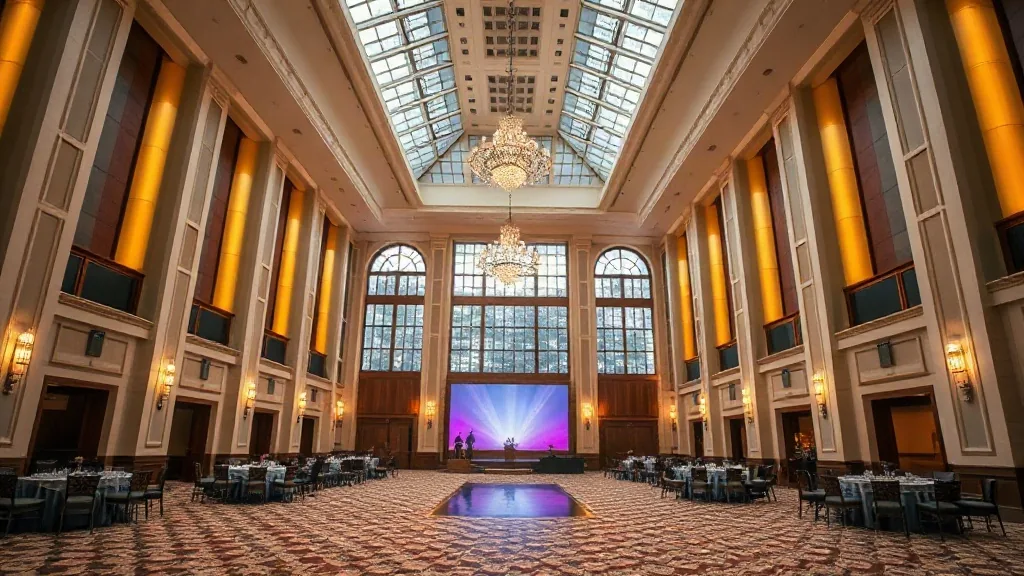
On the Tuesday before a 600-person policy summit at the Washington Hilton, I got a call from a client’s deputy general counsel. She said two registrants could not be in the same room as each other. She did not say why. The summit was in eleven days. We had already sent the venue a table list with 58 of the 60 dinner tables assigned, which left me two tables to work with and no room to explain the gap to the banquet captain.
Why this usually arrives by phone in the last two weeks
Here is what I assumed for a long time: that the check happens upstream, that the client’s counsel office has a list and we build to it. That assumption costs me a $4,800 room-block change in year three when a general counsel’s assistant called our senior operations lead, who wrote it on a sticky, and told no one.
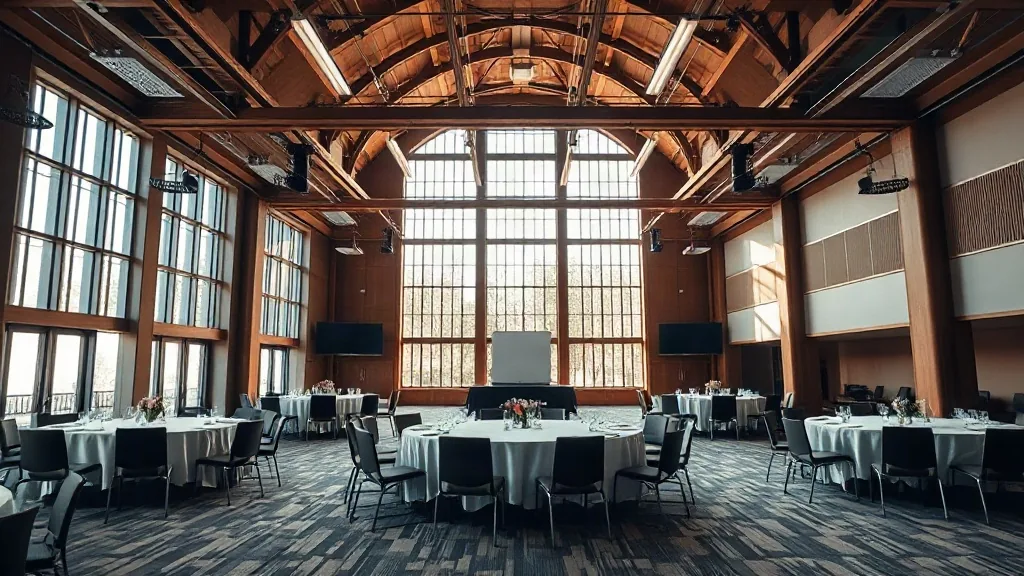
What I’m allowed to know, and why less is safer for the client
The safer posture is to ask for as little as possible: the room number or, for two names, the initials and a category: “these two attendees are party to an active matter and should not share a breakout room or a social function.” I don’t need to know if it’s a workplace investigation, a protective order, litigation between sponsors, or a terminated employee coming through the vendor door. What I need is the what: swim lanes, dining fields, hotel blocks, transportation.
Assume every word goes into a discovery reach. If I know the reason and it ends up in a venue rooming list shared with the hotel’s reservations coordinator, or worse, a Google Sheet with eight contributors, I’ve created a document. If someone on the client’s side is in active litigation, every email about the logistics is potentially discoverable. The general rule planners are told by compliance teams in practice: write down the operational instruction, not the underlying story. The story belongs to the court, or to whoever is outside of it, not to me. And the legal and HR calls here belong to the client’s own counsel and HR. My job is the room, the schedule, and the doors.
One line I do want in writing, though. “Please confirm that [X] and [Y] are not to be seated in in the same space, or share a shuttle, dining table, or session.” That’s it. A two-line email. I don’t need to be copied on the reason. I need the instruction, because when the client’s program chair later asks “who put the seating chart together?” I want to point to a two-line email, not to my memory of a phone call.
The mechanics that work, and what settles it when they don’t
The biggest mistake I see is trying to solve this with seating alone. It doesn’t work. These are all moves I’ve made in the field, some years late.
Separate sessions, not just separate tables. If you have breakout tracks, put the two parties on opposite tracks for the day, and give the volunteers a distinct assignment card. A seating chart alone won’t hold: it’s a snapshot that goes stale the moment anyone moves, and nobody re-checks it mid-session.
Hotels: separate floors. Not just separate room types. The lobby bar is where it breaks, and that’s exactly why the floor plan matters: if a party walks down to the lobby at 9PM at a hotel they know, a dead quiet floor of identical rooms is the wrong call, because the quiet floor just hands them a reason to ride the elevator back down. So I stack each party on its own floor, with the elevator bank as the only shared space. When the budget allows, I split the groups across two properties within walking distance, and in DC that usually means something in the Washington District of Columbia hotel market paired with a smaller Dupont Circle property, which is about a 20-minute walk or a 6-minute cab between the two. I also set a separate cost code for each group so the two names never share a rooming list that gets emailed to the hotel once. That last piece is the one people skip, and it’s the one that leaks. I’ll concede the split costs more: two room blocks mean two sets of attrition clauses, and I’ve signed contracts where each block carried a 90 percent pickup requirement, so you’re on the hook for both. But a single property with one lobby and one bar is a real problem at 9PM, and no rooming list fixes that.
Stagger the registration arrivals by 30 minutes and assign each an escort on a 30-minute window. It’s cheaper than you think if I have two staff. If the schedule can hold a handoff, the plan is worth every dollar.
One seating chart, held by one named operations lead and the security contact. PDF. No shared Google drive. And a quiet word with the venue’s duty manager, in person, 24 hours out: “Two VIP arrivals need separate credentials; please hold the scanner log.”
Tell the room, no. I’ve seen a staff WhatsApp message once: three paragraphs on the “VIP seating arrangement policy.” That was roundly received as damage, at scale. Every non-recipient figured out who was involved by subtraction. The fix that lands is is private departure scheduling, a two-minute direct conversation with each party’s scheduler, and taking one to the side of the room so no one else looks up.
When the ask arrives late, the option that usually saves the day is the event venues we already have on hold, plus the local security contract reviewed here: how to hire event security by event type. In most cases you’ll still need a separate registration lane for the two parties, and a very dull seating chart with initials. Legal and logistical work shouldn’t look like legal and logistical work to the rest of the room.
What it costs the room when nobody catches it
The hard cost of fixing this at the 11th hour at a 600-person event on a peak hotel night usually runs between $6,000 and $12,000, covering two hotel changes, two registration escorts, a re-cut seating chart and sometimes a re-cut menu list. The soft costs never appear on one invoice. Two lost programme hours if nobody catches it at once. An HR director shuttled back and forth across the hotel by my junior ops person. And a speaker who quietly drops the session she was booked to lead, so the programme absorbs the loss instead of the budget line.
And then there’s the client relationship. The thing I have actually seen spiral is not the seating chart. It’s confidentiality. If a client has to tell their own staff that one of the program chairs can’t hear the other speak on day two, every hourly staffer around the coffee counter learns it within an hour. The rework is small. The damage to trust and the renegotiation of small clauses like exclusivity on the hotel rooming list is bigger.
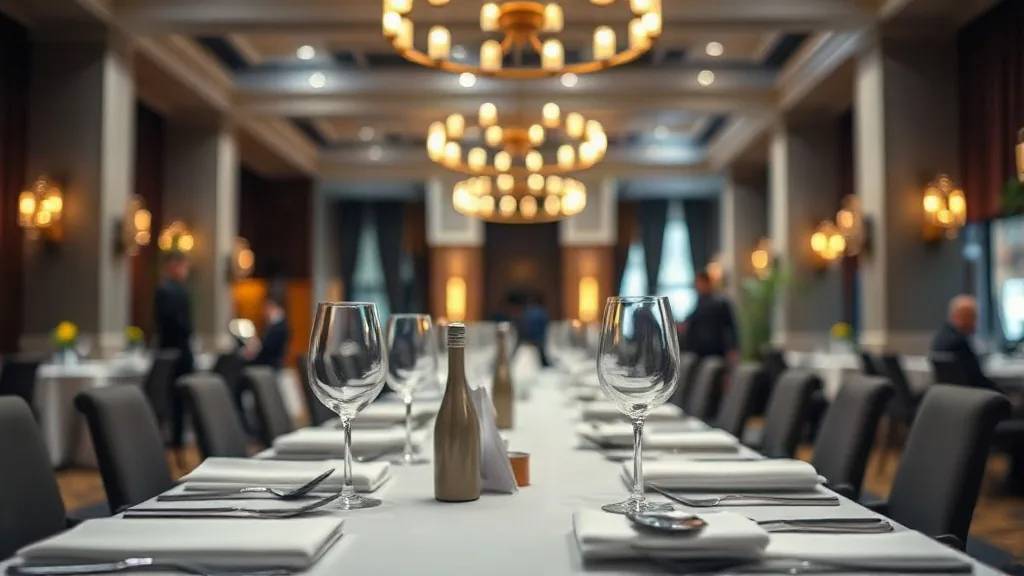
When to say no, and when to step up to the edge of what you can control
Here’s the part I’d push back on in my own practice, and have. If the ask is “make sure they don’t fight in the hallway,” I can’t certify that. I’m not a bodyguard, and my security contractor charges license and permitting in a different bracket than ushers and me standing in the coffee line. The line I draw: I will own entrance screening, seat assignments, schedule logic, room block addresses, shuttle door discipline and one named operational command. I won’t own their behavior in the hallway. That split goes in writing to the client, naming what my staff will do and stating plainly where my responsibility ends. If the client needs actual crowd control if a party throws a chair, that’s a police matter or a licensed firm with insurance names on it. That’s the professional line I’ve learned to hold.
The operation I’d put in writing to myself: the date, the instruction, my fulfillment steps, and one sentence: pending instructions confirmed by [name, role, date]. Then I archive it and don’t send it anywhere. If the office asks for it, I can pull it. It doesn’t go into the shared production notes. That’s the version that survives.
I’d rather build your room now than re-cut a seating chart two weeks out. Send me your headcount, your dates and a short brief, and I’ll tell you what separation looks like for a room your size. If you’re holding a 600-person summit in the first quarter, the earlier we talk the more options you’ll have.