Registration platforms and the data you will wish you collected
Registration data gaps cost one client $4,200 in uneaten chicken.

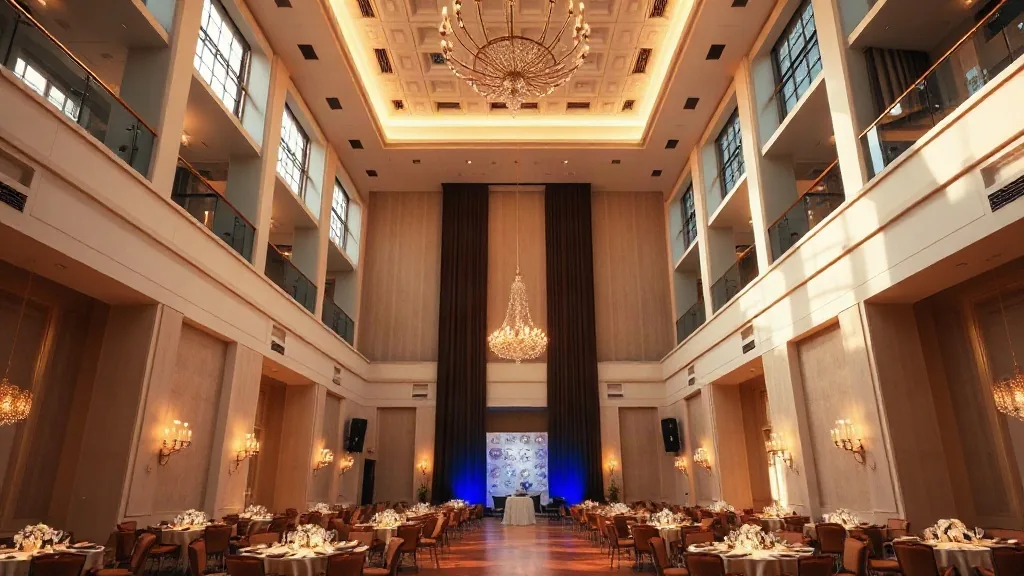
I’ve booked more than one healthcare meeting where the room was set for 80 and the attendee list had 200 registered, because the client’s registration platform didn’t export duplicate email addresses and two sales reps had each imported the same CRM list. The venue, an Orlando hotel ballroom, billed us for the 200-name F&B guarantee anyway; the overage cost roughly $4,200 in uneaten plated chicken. I’m Daisy, and I’ve been planning corporate events since 2017, mostly in pharma, medtech, and finance. That mistake wasn’t the platform’s fault. It was mine, for not mapping the data fields before anyone hit send.
Start with the export, not the dashboard
The dashboard looks great in the sales pitch. The CSV export file is what you will live with at 11 p.m. the night before your event. Before you sign a contract with Cvent, Splash, Eventbrite, or the boutique platform your finance team prefers, run a test event, register five fake attendees, and download the raw data.

I ask every platform for a custom export template. You want a template where the column headers are fixed, the order never changes, and you can pre-set which fields are included.
Collect the fields your contract actually penalizes
In Florida healthcare settings, my clients’ compliance teams have their own list of what must be tracked. Most of my pharma clients cap dinner between $75 and $125 a head, and they want proof of who attended the meal, not just who registered for the day. Get a registration field called “Will you attend the Thursday evening networking reception?” and make it mandatory.
The bigger miss is the guarantee date. Your venue contract names a specific day, often 10 business days before the event, when the guaranteed headcount is due. The registration platform’s auto-generated report on that date rarely matches your attrition or your actual projection, so I download the raw list, strip out no-shows from the sales team, and send that adjusted number to the venue.
For finance events, I add a field for “Approver name and email.” You don’t need it for the event itself, but you will need it for the invoice coding that happens three weeks later.
Segment list building beats free text on every survey question
The question design determines your email marketing, your seating chart, and your badge printing. The hardest lesson came from a finance event I planned in Tampa, where the client asked attendees “What topics interest you?” as an open text box. We received 400 responses that ranged from “AI and risk” to the same answer 180 times, and some attendees typed “No idea.”
Always use single-select or multi-select fields for anything that will route into a track, a meal choice, or a seating block. Free text works for session feedback and for one-off accommodations that a human reads, but it fails for any data that a system or a venue must process.
I create a custom field for “Primary job function,” picklist only, with options like Compliance, Sales, Clinical Research, and Executive Leadership. That one field has settled more venue space disputes than any conversation. For more on which event spaces work best with specific crowd mixes, check what I’ve written about booking around the spring conference season so you don’t overpay during the high-demand weeks.
Audit your data on shipping, rooms, and the silent attendees
Three data areas get near zero love and cost planners real money: shipping, hotel rooms, and the registered-but-inactive speaker.

Shipping addresses for exhibitor booth materials belong in your registration platform, but they rarely are. Have an exhibitor portal where each vendor submits a shipping address, a booth number, and an arrival date. If the platform holds that data hostage in an unsearchable PDF, you’ll be on the phone with a loading dock manager in Schaumburg holding a clipboard with no labels. I have booked enough Illinois events to recommend you review the venue options in Schaumburg before you commit to a space without a proper freight elevator and dock schedule.
Hotel rooming lists are second. The platform exports your registration, but the hotel block is often managed in a separate system. Build a registration question, say “Do you need a hotel room within our negotiated block?” and have a reservation link that the platform emails automatically. That single automation killed my late-night phone calls about room availability.
The silent attendee is the third gap. This person registers early and never opens a single confirmation email. Before the event, I use the platform to identify attendees with no email opens in the last two weeks and have my client’s marketing team send a personal invite to the introduction session. It recovered maybe 15 percent of those contacts, and for a per-head F&B cost of $60 at a beach venue, that is a recovery worth chasing.
Handle the check-in and lead retrieval like a production
The data collection does not stop when the doors open. Your check-in app and your lead retrieval scanner are forms of registration data that feed your post-event reports. Decide your check-in method before you buy the tool. Do you want attendees to scan a QR code from their phone, or do you want staff at a counter with a tablet? Both work, but a QR code with a printed badge takes 20 seconds per person, while a tablet sync on a bad Wi-Fi network can stretch the line to a 15-minute wait.
For the healthcare crowd, badge scanning at sessions is the main ask. Compliance teams want to know who attended the promotional dinner, the non-CME session, and the workshop on new product data. Your lead retrieval devices should sync that session attendance data back into the platform at the end of each day, or you’ll be manually entering numbers that a compliance auditor will question anyway.
At a recent event in Ohio, the client ran a certification session that granted continuing education credit for nurses. The session required an attendance log showing check-in time and sign-out time, and a simple entrance badge scan didn’t count because it didn’t prove the attendee stayed. We walked the room at the halfway point with a second scanner and caught everyone. If your space has odd corners, an industrial venue with concrete pillars and dead zones for QR scanning needs a manual backup roster held at the door.
Close the loop before you delete the event
Once the event ends, resist the urge to archive the data and forget the project. The same export that set your headcount settles your invoice disputes. I leave the event open in the platform for 60 days after the final invoice clears, and I download three separate reports on day one: a final attendee list, a session-by-session attendance report, and a full list of any custom fields that the compliance team flagged for review.
That third report, the custom field list, is the one you will dig out of a backup drive when a CFO’s office calls in August to question March’s dinner. Keep the export even after the platform deletes the event, and store it in a folder named with the event date and city, not the clever internal codename my client used.
Price matters here, and a cheap platform that saves you $500 for the year but loses a session report that costs your client a $4,000 per head per diem in penalties is a false economy. Spend the money on a tool with API access, custom report scheduling, and an audit log that shows who changed a registration.
One more tip: I always collect the lead source for every registrant. It sounds like marketing noise, but that field lets me allocate the space and the dinner budget to the right cost center. It also explains why a cold email from a sales rep had a 30 percent open rate and drove 40 registrations, which my client’s marketing director appreciated at the debrief. For a deeper look at what drives those cost decisions, I’ve also broken down what I pay for entertainment by format in another post.
So tell me, when you ran your last big event, did you have the headcount that matched the contract’s guarantee a week out, and does your platform export give you that number easily?