
University advancement galas: the donor-dinner venue checklist
A donor gala is a fundraising instrument dressed as a dinner, and the venue either helps you close gifts or gets in the way. Here is the checklist I run before booking a room where major-gift asks happen.
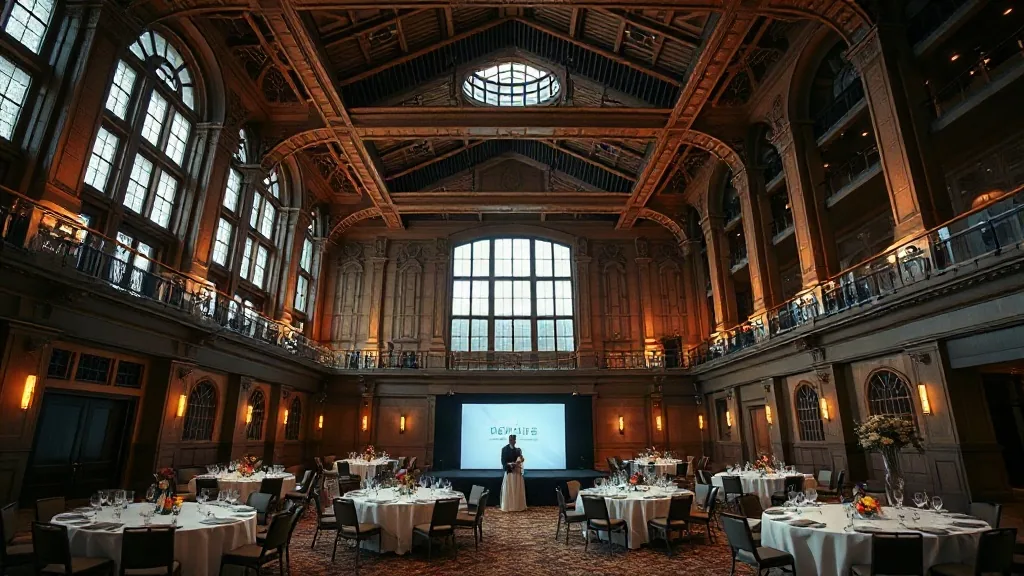
A university advancement office once measured a gala’s success for me in one number: the room raised $2.3 million in the ask that happened between the entree and dessert. The dinner cost them roughly $180 a head for 320 guests, about $57,600, and nobody blinked, because the room was a fundraising instrument, not a party. That is the frame for an advancement gala. Every venue decision either helps the ask land or gets in its way, and the planners who forget that book a pretty room that raises less than it should.
I have run donor dinners for advancement teams, and the venue checklist for them is different from a corporate gala’s, because the whole evening bends toward a moment when someone stands up and asks 300 people for money.
The ask moment drives the room
Somewhere in the evening, a president or a development officer makes the case and the room is invited to give. That moment needs three things from the venue, and if the room fights any of them, gifts get smaller:
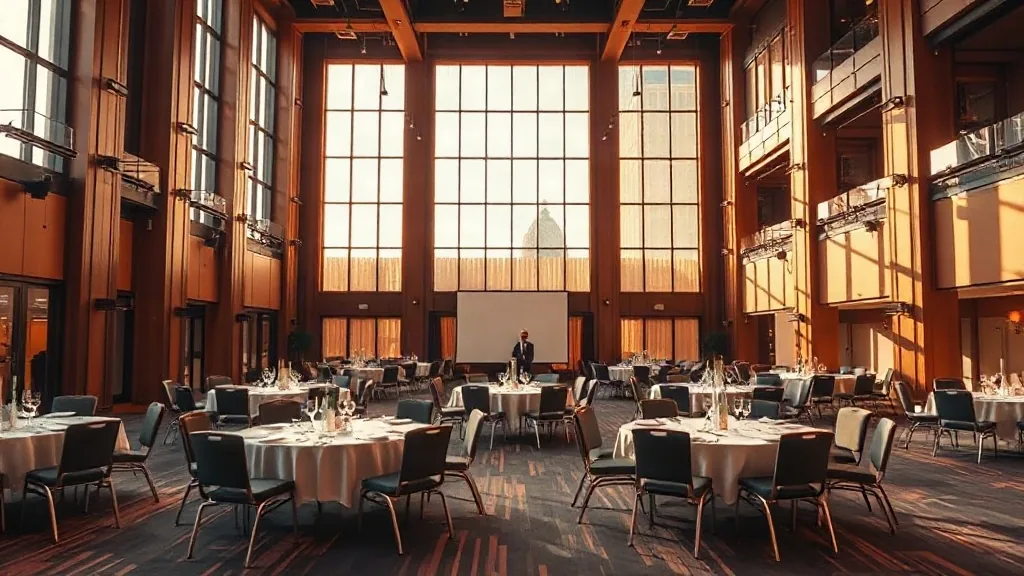
- Sightlines so every table sees the speaker and the screen. A ballroom with pillars blocking a third of the room quietly costs you the tables behind the columns. I walk every room and sit at the worst table before I book.
- Audio that carries emotion, not just volume. The ask is a story, and a muddy sound system flattens it. This is not a place to save money on AV.
- A screen large enough for the impact video, the student faces, the numbers, positioned where the head table and the major donors have a clean view.
The rooftop versus ballroom question for a company gala covers the atmosphere tradeoff, but for a donor dinner I bias toward the room that serves the ask over the room that photographs best, because the ask is the product.
Seating is a fundraising decision
At a corporate gala, seating is logistics. At a donor gala, seating is strategy, and the advancement team will have strong views. The major-gift prospects sit where a development officer or a leadership host can work them. The head table is a casting decision. My job is to book a room whose shape lets the advancement team build the seating chart they need, which usually means rounds of 8 to 10, not long banquet tables, because rounds let a table host manage a conversation.
That drives room size. A 320-guest gala in rounds of 10 needs a room rated near 500 banquet once you account for the stage, the dance floor if there is one, and the space a video screen and cameras eat. Book the bigger room. A cramped gala reads as a cheap gala, and cheap is the wrong signal when you are asking for seven-figure gifts.
Catering that respects the donors without wasting the endowment
Donors notice both a cheap meal and a wasteful one. The plate has to feel like an event worth dressing up for, and it also has to be defensible when a trustee asks what the dinner cost against what it raised. I aim for a strong plated dinner in the $110 to $200 per-head range depending on the market and the donor level, and I hold the line on the extras that add cost without adding to the ask. A great meal and a clear, moving program beat an over-produced evening with a forgettable plate.
Watch the F&B minimum and the service charge. A banquet hall or hotel ballroom will quote a food minimum plus a service charge that often runs 22 to 26 percent, and that charge applies to the whole F&B number. On a $57,600 dinner, a 24 percent service charge is another $13,824 before tax. Advancement budgets are real but accountable, so I put that number in front of the team before we sign, not after.
Venue types for a donor dinner
A banquet hall or hotel ballroom is the workhorse for a large gala because it delivers the sightlines, the kitchen capacity, and the AV infrastructure a 300-plus donor dinner needs in one place. The stadium club versus banquet hall for a large gala piece compares the big-room options, and for a formal ask the banquet hall usually wins on control.
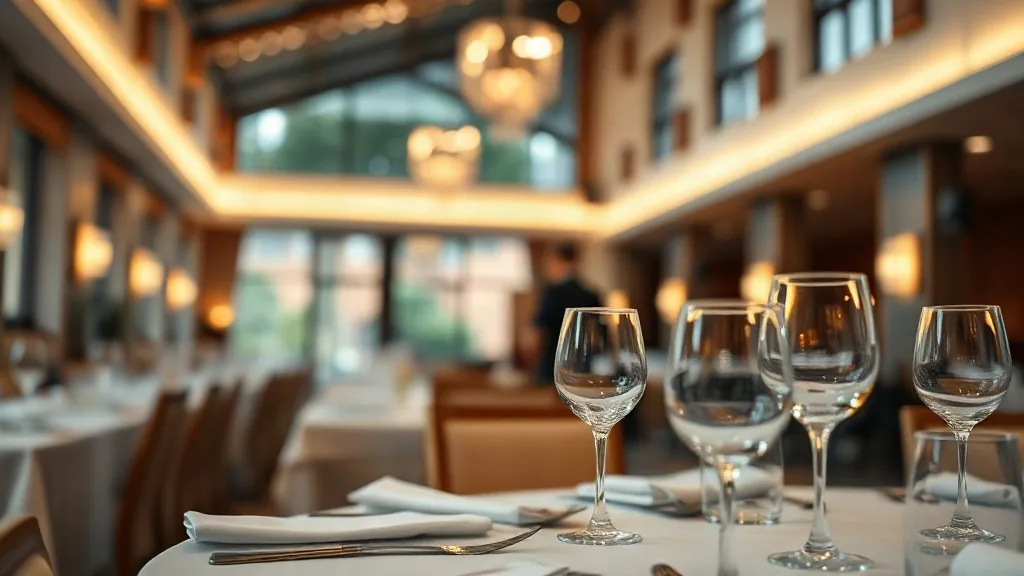
A historic mansion works for the smaller, higher-touch donor dinner, the 40-to-80-person evening for principal-gift prospects where intimacy closes more than scale. The setting signals that these donors are special, which is exactly the message a principal-gift dinner sends.
A museum is a natural fit for a university gala because it aligns with the institution’s mission and gives donors a sense of occasion, and many museums handle formal dinners well. The trade is stricter rules on catering, open flame, and where you can rig, so price the restrictions before you fall in love with the gallery.
If this is a campus-hosted event, the university’s own spaces can carry real weight, and the how to book a university venue for a corporate event guide covers booking them without the internal-politics traps.
The load-in the program depends on
A donor gala has a program, and the program has cues: the lights that drop for the impact video, the spotlight on the president at the ask, the music that lifts when the giving cards go up. All of that runs on AV and lighting that has to load in and get programmed before doors, and the venue’s schedule either gives you time for it or it does not. I get a written load-in window that includes a full technical rehearsal before guests arrive, because a donor gala where the video stutters or the president’s mic cuts out during the ask is a gala that raised less than it should have. The rehearsal is not optional; it is the insurance on a seven-figure evening.
I also confirm who controls the room’s house lighting and whether the venue requires me to use their in-house AV or lets me bring my own team. A banquet hall or hotel often mandates in-house AV, which can be fine or can be a markup, so I price it against an outside quote. A museum frequently restricts what I can rig and where, which shapes the whole program design, so I get those rules before I promise the advancement team a big-screen moment the gallery cannot physically support.
The checklist, condensed
- Walk the room and sit at the worst table. Buy sightlines, not just square footage.
- Book AV that carries the ask emotionally, screen and sound both. Do not cut here.
- Choose a room shape that lets advancement build a strategic seating chart, rounds over long tables.
- Size up. A cramped donor room reads as a cheap ask.
- Get the F&B minimum and the service-charge percentage in writing, and show the team the all-in number before signing.
- Match the venue to the gift level: ballroom for scale, mansion for principal-gift intimacy, museum for mission fit.
Tell me the guest count, the fundraising target for the evening, and whether this is a broad annual gala or a principal-gift dinner for a small group. With those three, I can tell you whether a banquet hall, a mansion, or a museum serves the ask best, and where the F&B and service-charge numbers will land before your team commits.


