
What corporate event budgets are actually doing in 2026
The headline says event budgets are flat. The invoices say something else. Here is what I am seeing in real client budgets this year, where the money moved, and how to read a flat number that hides a 15 percent cost increase underneath.
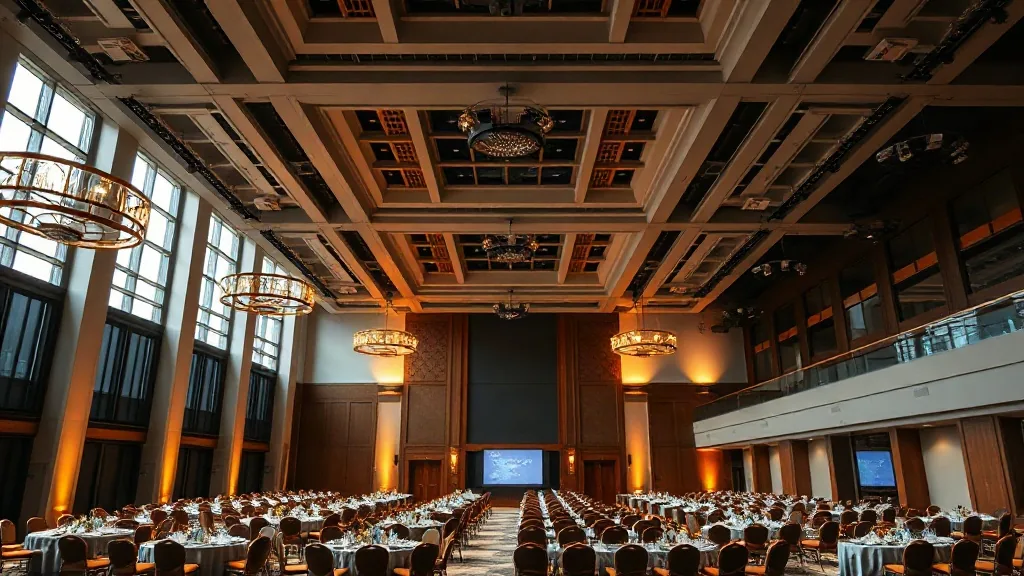
A client handed me a 2026 events budget that matched 2025 to the dollar: $340,000, same as last year. Then she asked why we could only afford four events instead of five. Because a flat budget in 2026 is a cut. Food and beverage per head is up, room rates are up, and the number that stood still bought you less. That is the whole story of corporate event budgets this year, and the flat headline hides it.
I work with tech and agency clients out of Atlanta, and I read a lot of budgets. Here is what they are actually doing in 2026, not what the survey decks say.
Flat is the new down
Most of my clients set 2026 event budgets within 3 percent of 2025. On paper, stability. Underneath, the per-head costs that make up those budgets rose faster than the top line. A plated lunch that ran $52 a head in early 2025 is $58 to $62 now at the same tier of venue. Service charges crept from 22 to 24 percent at several properties. Full-service room rates in the metros I book climbed 6 to 9 percent.
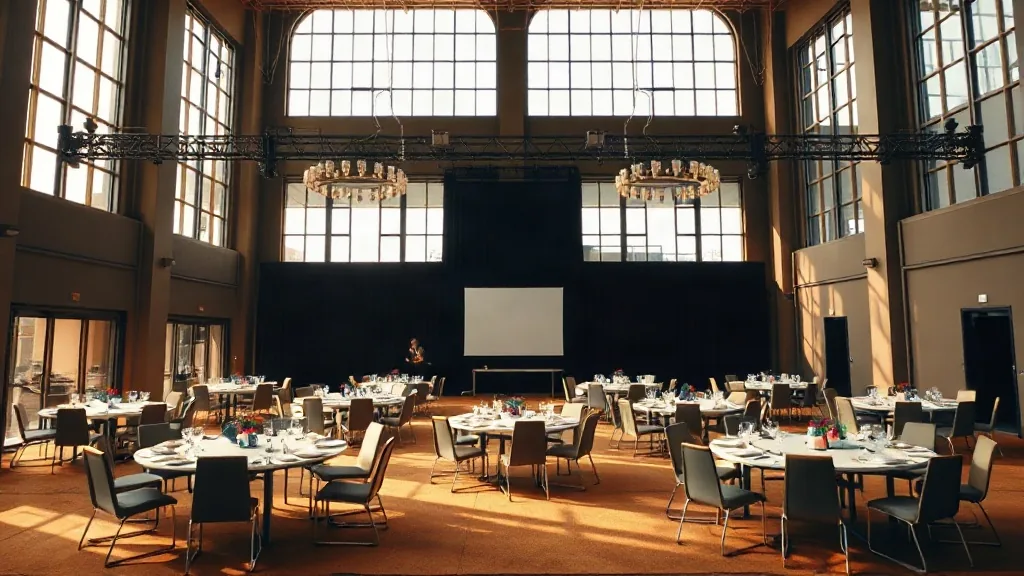
Put those together and a flat budget buys roughly 10 to 15 percent less event. My client was not imagining the missing fifth event. She lost it to cost creep that never showed up as a line item because the total held.
The money moved, it did not leave
The interesting part is where budgets shifted rather than shrank. Three patterns I am seeing repeat:
Fewer events, more spend per event. Clients are consolidating. Instead of five regional half-day gatherings, they run three larger two-day offsites. The logic is that travel and setup costs are mostly fixed per event, so fewer events with higher headcounts spread those fixed costs better. It also concentrates the value: one memorable offsite beats three forgettable ones. The per-head math on those larger events is unforgiving though, so I build the full stack before committing.
Content budget up, decor budget down. Money is moving from the room to the agenda. Facilitators, better AV, recorded sessions, and real content are getting funded while floral, elaborate staging, and swag get cut. My clients figured out that nobody remembers the centerpiece and everybody remembers whether the offsite changed how they work.
Contingency is getting protected. After two years of cost surprises, more clients are holding a real 5 to 8 percent contingency and refusing to spend it into the plan. That is progress, because the contingency budget is a lie when it exists only on the spreadsheet and gets spent before the event starts.
Procurement got involved, and that changed the game
The biggest structural shift is not a dollar figure, it is who signs off. Procurement teams that used to rubber-stamp event spend now sit in the venue selection. They want competitive bids, itemized proposals, and payment terms that were never on the table before. I wrote up what they are pushing for in 2026 procurement demands, and it is worth reading before your next approval cycle, because the person who used to approve your event in a hallway now wants three comparable quotes and a savings narrative.
This slows things down and, handled right, saves money. A procurement partner who negotiates payment terms and pushes back on a resort fee is worth having on your side. The friction is real though: budgets now take longer to approve, which feeds directly into the lead-time compression everyone is feeling. My whole approval sequence lives in the event budget approval process that works, and it is built to survive procurement review.
Read the budget the way finance reads it
When a client shows me a flat 2026 number, I do not celebrate the stability. I ask three questions:
- What per-head cost did you assume, and when did you last check it against a real proposal? If they budgeted 2024 per-head numbers, they are already 15 percent short.
- Is the contingency real money or a line you plan to spend? If it is earmarked before the event, it is not contingency, it is just a delayed overage.
- How many events does this fund at current prices, not last year’s? This is where the missing fifth event surfaces.
What I am telling clients to do
Do not fight the flat budget by cutting quality across the board. Fight it by cutting the number of events and protecting the spend on the ones that matter. A larger, well-run offsite at a proper event venue or a complete-package conference center beats a diluted calendar of small ones. And book the hotels and resorts lines early, because rate is the fastest-moving cost in the stack and the one procurement can least control once your dates are locked.

The other move is honesty in the budget itself. Build it on current per-head costs, not last year’s, and if that means the number needs to grow 12 percent to hold the same event count, put that in front of finance now. A budget that pretends prices did not move is a budget that fails in reconciliation, and reconciliation is a worse place to have that conversation than the planning meeting.
The regional pattern nobody put in a deck
There is a geography to this that the flat headline hides. My clients booking in the central metros, Denver, Austin, Nashville, Dallas, are the ones feeling the cost creep worst, because demand concentrated there and rates followed. A client who ran a Denver offsite at $960 a head in early 2025 is looking at $1,090 for the same event this year, a 14 percent jump that has nothing to do with the event getting fancier. The clients who moved one tier down, to a Kansas City or a Grand Rapids, held their per-head roughly flat and got the room to themselves. So the flat-budget squeeze is not uniform. It bites hardest exactly where everyone wants to go. If your budget genuinely cannot grow, the honest fix is often not cutting the event, it is moving the event forty minutes of flight time off the hot metro, where the same dollars still buy what they bought last year.
The one number that tells the truth
Ignore the total. Look at the per-head cost you assumed and check it against one real proposal from your target city this quarter. If your assumed number is more than 5 percent under the proposal, your flat budget is already a cut and you should say so before you book.
What is your 2026 event budget and how many events is it supposed to fund? Send me those two numbers and I can tell you whether it is actually flat or quietly down 15 percent.


