
Why I now read the banquet event order before the contract
The contract sets the money. The banquet event order sets what actually happens in the room, and it can quietly contradict the deal you signed. Here is why I read the BEO first now and the lines where the two documents fight.
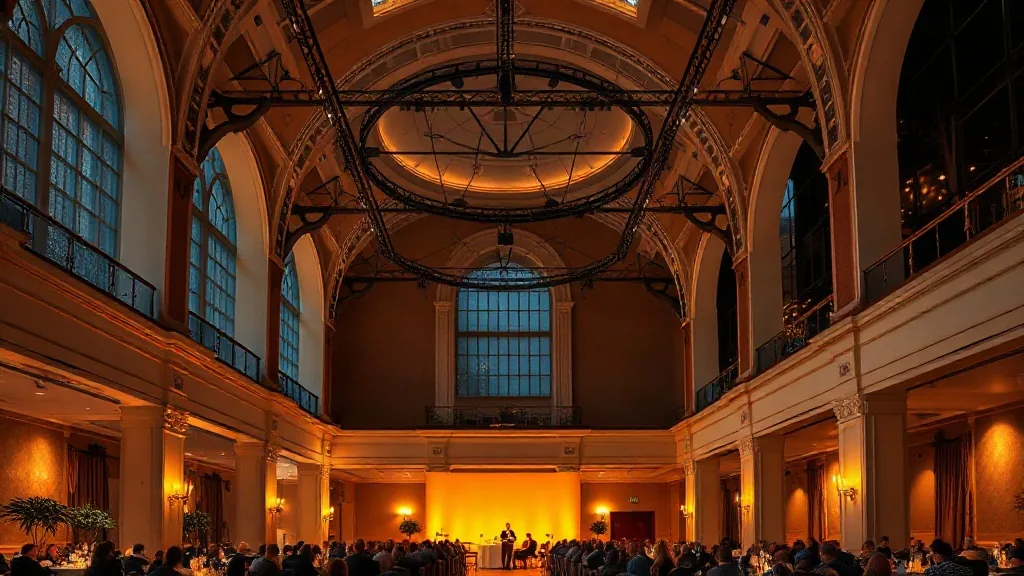
The contract said 26 percent service charge. The banquet event order that landed four days before the event said 26 percent service charge plus a 7 percent “administrative fee,” and the two lines together turned an $18,000 food order into $23,940 of charges. I caught it because I read the BEO like a contract, line by line, before I signed off. The catering manager’s answer when I flagged it was the answer I now expect: “Oh, the admin fee is standard, it’s just not in the contract.” It was standard the way surprise fees are always standard, which is to say, until you fight it.
I’ve worked both sides, agency and venue, and I used to treat the banquet event order as a formality, a summary the venue sends you to confirm the details after the contract is done. That’s a mistake. The contract is the deal. The BEO is what actually happens in the room on the day, and when the two documents disagree, the room follows the BEO. So I read it first now, and hard, because it’s where the money and the execution both quietly drift.
What the two documents actually do
The contract is the legal agreement: rental, deposit schedule, cancellation and attrition terms, the big financial commitments, signed months out. The banquet event order versus the contract is a distinction worth being clear on, because they cover different ground. The BEO is the operational document: the exact menu, the timeline, the room set, the staffing, the bar arrangement, the AV, and, critically, the charges as the venue currently has them entered. It’s usually finalized 3 to 7 days before the event, and it’s where the details that were vague in the contract get made concrete.
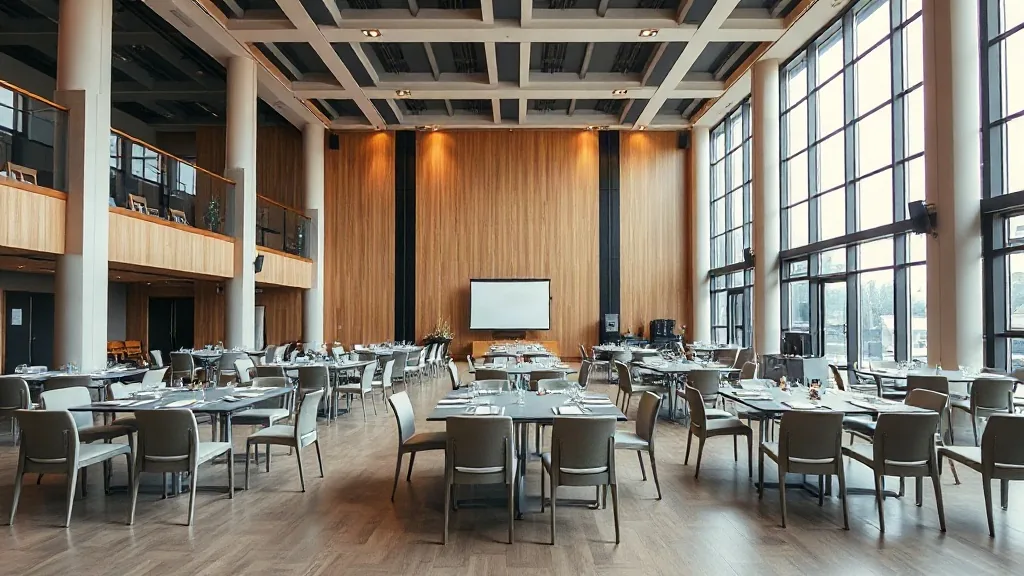
That timing is the trap. The BEO shows up when you’re busiest, days before the event, and the instinct is to skim it, confirm the headcount, and sign. But the BEO is often the first time you see the fully loaded charges, and it’s the document the banquet captain runs the event from. If it says something different from what you negotiated, and you sign it, you’ve amended your own deal without noticing.
Where the BEO fights the contract
The service-charge stack is the most common one. My contract said 26 percent. The BEO added a separate administrative fee that, read together, pushed the effective load past 33 percent. Administrative fees, “kitchen fees,” and “setup fees” love to appear on the BEO that weren’t itemized in the contract. I now cross-check every percentage and every flat fee on the BEO against the signed contract, and anything new gets challenged as unauthorized.
Guarantee and overset language is the next one. The contract might say the guarantee is due 72 hours out. The BEO restates it, sometimes with a different number, and specifies the overset (how many covers past your guarantee the kitchen prepares). If the BEO guarantee is higher than the count you intended to give, you’re paying for empty chairs. I confirm the guarantee number on the BEO matches what I actually plan to commit, in writing, before the deadline passes.
Then there’s everything the contract left vague that the BEO makes real: the bar (is it hosted, on consumption, or a cash bar, and does the pricing match), the room set (the BEO diagram is what the crew builds, so if it shows rounds of 10 and you sold the client rounds of 8, the room is wrong), the timeline (when doors open, when service starts, when the bar closes), and the AV lines. I’ve caught a bar that the BEO had listed as cash when the client had paid for hosted, which would have had guests pulling out cards at a company party. That’s a BEO error that becomes a very visible failure in the room.
The line-by-line read I run
I go through the BEO the way I go through a contract, section by section, and I’ve written up the BEO line by line and what each section means in detail. The short version of my pass: confirm every charge and percentage against the contract, confirm the guarantee and overset numbers, confirm the menu matches the tasting and the dietary counts, confirm the bar type and pricing, confirm the room-set diagram matches what I sold, confirm the timeline, and confirm the AV. Anything that’s new, wrong, or vague gets a written note back to the catering manager before I sign, and I don’t sign until the corrected BEO comes back clean.
The reason I do this before treating the deal as final is that catching a problem on the BEO is still catchable. Catching it on the final invoice, after the event, is a dispute, and disputes after the fact rarely go your way because the service was already delivered. The BEO is your last checkpoint where the venue still has a reason to fix things: they want a smooth event too.
The dietary counts hide on the BEO too
One line I check hard is the dietary breakdown, because the BEO is where your headcount splits into actual plates. If you collected 18 vegetarian, 6 gluten-free, and 4 kosher meals during registration, the BEO’s meal counts had better match, and often they don’t, because the number got entered once and never updated. A guest with a real allergy who gets the wrong plate is a safety problem, not a service hiccup, and the BEO is the last document where you can catch the miscount before the kitchen fires the wrong dish. I cross-check the special-meal counts on the BEO against my own registration data every time, and I’ve caught a dropped kosher count that would have left a guest with nothing to eat at a table of 10.

This doesn’t replace reading the contract
To be clear, I still read the venue contract hard before signing, months out, because that’s where cancellation, attrition, and deposit terms live and those are the numbers that hurt if the event moves or shrinks. The BEO read is a second gate, not a replacement for the first. The contract protects you against the big financial risks. The BEO protects you against the day-of surprises and the fee creep. You need both, and most planners only run the first.
This all matters more the more food-and-beverage revenue is in play, which is why I read BEOs hardest at hotels and resorts and banquet halls, where the catering operation is the profit center and the fee stack runs deepest. At a conference center with lighter F&B the BEO is usually simpler, but I still cross-check it, because “standard” fees find their way onto every kind of order.
If you send me your signed contract’s fee section and the BEO you just received, I’ll tell you within a message where the two disagree and which lines to push back on before you sign the order. That admin fee I caught was $1,260. Reading the BEO takes 20 minutes. The math on that is easy.


