Winery venues for a client dinner outside harvest season
Book a winery dinner in March or shoulder months to dodge peak pricing and $900 patio heaters.
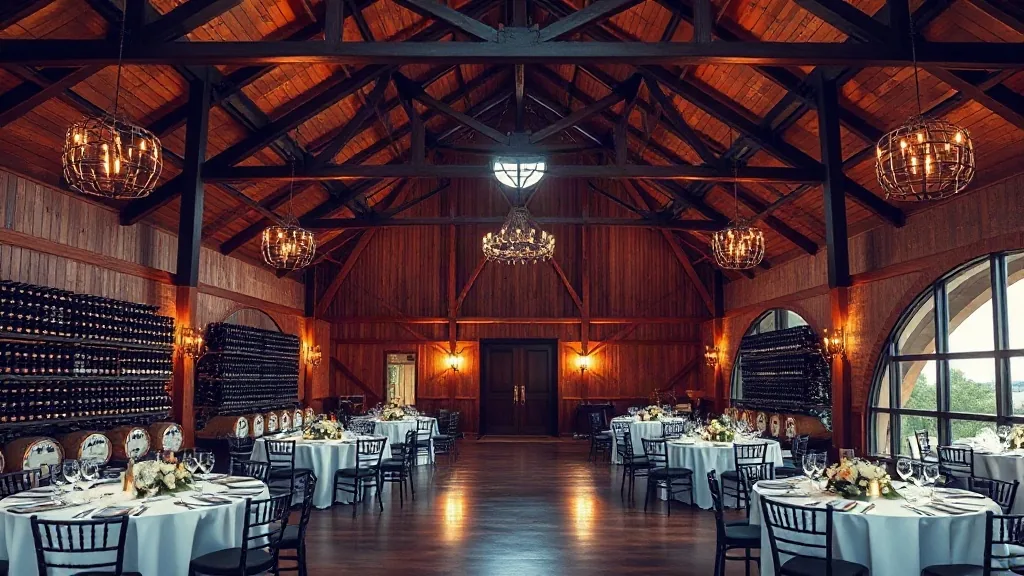
I booked a 40-person pharma dinner at an Oregon winery last November and the food and beverage minimum came in at $14,000. Harvest was done, the vines were bare, and the patio heater bill alone ran another $900. You don’t book those rooms in October and expect a bargain. You book them in March, or you book them for the shoulder months, and you read the contract like it’s a subpoena.
I’ve coordinated client dinners at wineries since I started booking corporate events from Florida back in 2017, mostly for healthcare and finance crowd. The draw is obvious. The space is built for long conversations, the wine list is the centerpiece, and your guests feel like they got an invite that wasn’t copy-pasted. The problem is that most planners only think of wineries during crush, when the venues are packed with tour groups and the tasting room staff is running on fumes. Outside of harvest, you get the place to yourself, but you also get a venue that may not be staffed, heated, or even open on a Tuesday. Here is what I actually do about that.
Book the shoulder months, not just the dead of winter
I booked a finance client into a Napa property two Mays ago on a Wednesday. The buyout for the terrace and the main barrel room was $8,500, which was about 30 percent less than the same space quoted for a Saturday in August. That is a real number, and it held because I signed eighty days out and paid a non-refundable deposit of $2,500. The trade-off is that you cannot expect summer-style service. Winery events staff often pivot to bottling or vineyard work in the spring. I ask how many dedicated event staff will be on site, and I put a minimum of two in the contract. You do not want the assistant tasting room manager doubling as your AV tech.
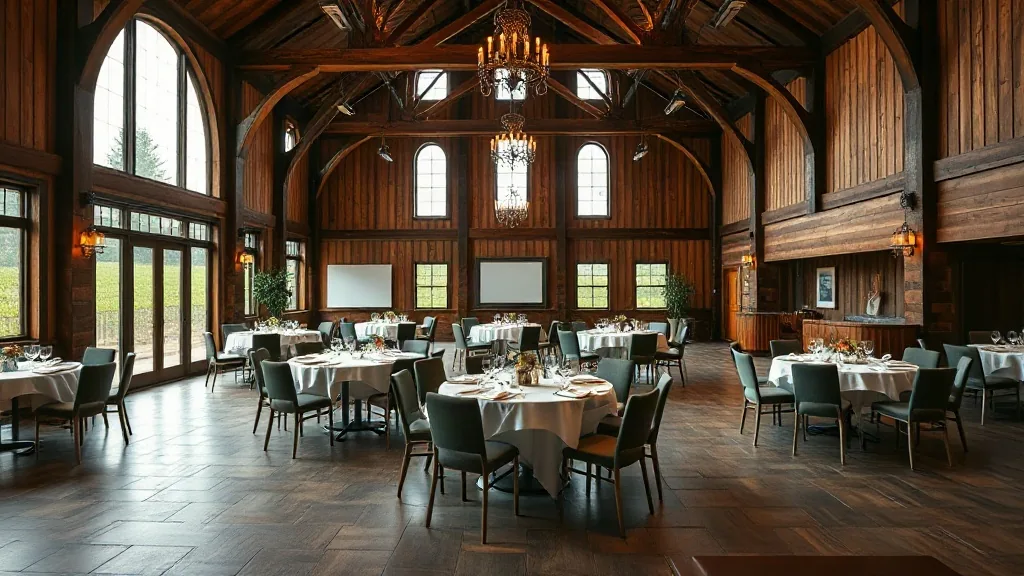
For states with a shorter growing season, like New Hampshire, the reliable window is even narrower. I’ve used venues there for a board dinner in mid-September, right at the start of harvest, and the logistics were a headache because the crush pad was running. The owners were lovely, but they were also processing fruit at 6 a.m. You will get a better event in early June, when the vineyard is quiet and the event barn is not doubling as a sorting station.
The food and beverage minimum drives every other decision
Here is the thing that surprises most first-time buyers. The rental fee at a winery is often nominal, or even waived, because the venue makes its money on the per-head minimum for wine and food. That means you need to know what your group actually drinks before you sign. I had a healthcare client with a crowd of heavy red wine drinkers, and their minimum was easy to hit. I had another group, mostly finance folks from the Southeast who wanted gin cocktails, and we struggled to reach the $9,000 minimum on wine alone. That event ended up costing me an extra $1,200 in top-shelf spirits and a dessert wine pairing nobody wanted.
My rule is to ask for two different minimum figures. One is the base minimum for a standard group, and the other is the “buyout minimum” if someone else might rent the space on the same night. You want a clause that says you have first right of refusal on the main dining room. In my experience, most wineries in places like Santa Barbara County or the Livermore Valley will hold a room for you with a $3,000 deposit, but they will not guarantee exclusivity unless you pay for it. That guarantee costs an extra 15 percent of the F&B minimum at most places I use, and it is worth it for a compliance-heavy crowd.
The food itself is the other variable. Many wineries do not have a full kitchen. They have a catering prep area or they rely on a food truck. For a client dinner, that is a non-starter. I require a copy of the proposed menu at the contract stage, and I ask who the actual chef is that night. If the venue outsources to a local caterer, I want to have a call with that caterer before I put down a deposit. You are asking for trouble if you assume the house paella is going to be as good for a 30-person plated dinner as it is for a casual weekend tasting.
Scouting visits matter more when the venue is seasonal
That trip taught me to ask about weather contingencies before I even mention the word “terrace.” I now ask for a plan that includes an indoor breakout space that is not the tasting bar. Winery tasting rooms are set up for small groups, so if you have a welcome reception on the patio and dinner inside, you need to know the indoor capacity numbers. I had a group of 28 in a barrel room in Oregon that was gorgeous, but the acoustics were terrible because of the concrete and steel. We had to bring in acoustic panels at a cost of $400, and the client still complained about the noise.
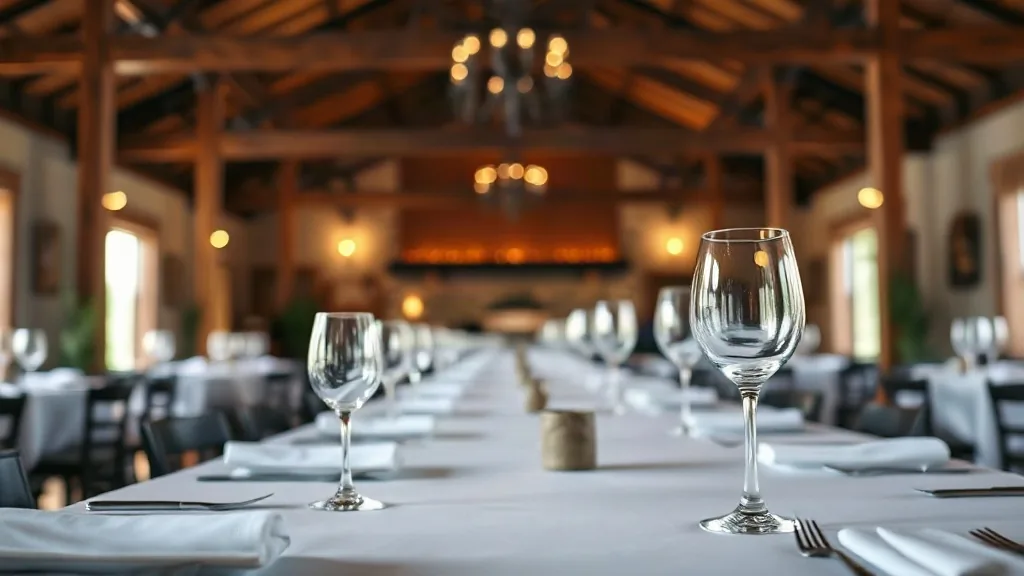
For regional guides, I lean on local directory pages to build a shortlist, but I always verify the address against a map drive time. A winery in the countryside that is forty-five minutes from the nearest airport hotel will be a deal breaker for a client who has to fly in and out the same day. I book client dinners at wineries and vineyards near a major corridor where the drive time is under 25 minutes, or I budget transfers and tell the client exactly where the cars are waiting.
Contract language, staff overtime, and the wifi nobody tests
Let me get into the weeds on the contract because this is where I have seen planners lose money. The venue will hand you a standard event agreement that assumes you are a wedding. It will have a rain date clause and a cancellation window that is useless for a corporate dinner that has to happen on a fiscal quarter deadline. I strike that language and replace it with a provision that allows me to cancel up to 30 days out with a 25 percent forfeiture of the deposit, and 14 days out with a total forfeiture. That is aggressive, and wineries often push back, so I offer a trade. If they let me have that cancellation scale, they get a 3 percent surcharge on the final F&B bill to cover their risk.
The wifi is the thing that gets overlooked until your client’s CFO tries to log into a VPN. I wrote up a cautionary note about venue wifi failures because a winery’s router is often in the owner’s office, and the password is written on a whiteboard next to the register. Read that post before you sign off on the technical rider. My standard ask is a dedicated event network with a minimum of 50 Mbps up and down, and I confirm that the signal reaches the back patio or the barrel room where my dinner is actually seated. A venue that tells you “the wifi is fine for streaming” is not a venue that has hosted a securities lawyer who needs to file a trade report before dessert.
Finally, ask the reader for specifics. Reach out with your headcount and the quarter you need, and I will tell you which of my vetted spaces in that region is actually worth a site visit.