Writing a venue RFP that gets comparable bids back
To get comparable venue bids, specify power, load-in time, and AV gear, not vague adjectives.
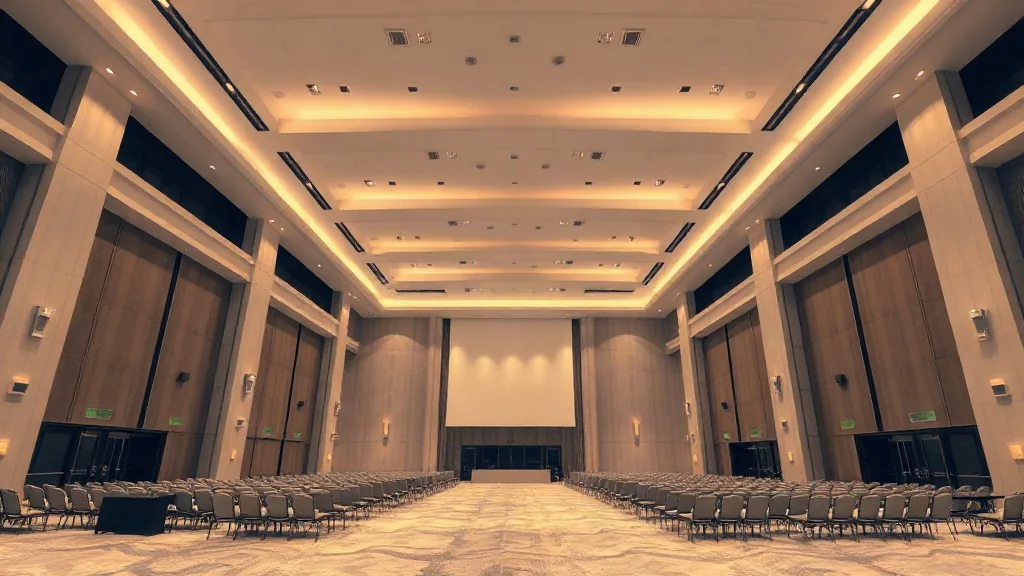
I was a vendor before I was a planner, so I’ve been on the receiving end of gorgeous venue specs that were flat-out unbuildable. A room sheet once said “theater style for 250” but the only power drops were on two walls, the ceiling grid maxed at 200 pounds, and there was a 45-minute load-in window because the ballroom had a wedding breakfast that morning.
The first RFP I ever wrote asked for “ample parking and state-of-the-art AV.” I got back a $14,000 bid for a one-day meeting in Santa Clara, and a $1,800 bid from a spot in Fremont that had no lighting console at all. I have learned since.
Keep every bid on one spreadsheet template
Make the numbers forced. Require hourly labor at the exact classification you’ll use: a lead tech, an A2, and a utility. One client of mine changed the language to “A/V crew, dual tech, twelve hours” and the variance between three bids went from $6,200 to $800.
Unify the response deadline too, say a Friday 5 pm Pacific. Venue reps love a Thursday email because they receive 200 clickbait subject lines anyway. Tell them no extensions and mean it. When one venue calls Tuesday for a Wednesday answer, I specifically don’t move. It’s not rudeness, it’s clean data, and a planner pretending otherwise has never been burned by an on-site surprise and paid the real cost for it.
Name the AV gear around the content, not the catalog
Start with the experience of the content. Is the talking head at a read-to-teleprompter session? That’s a different lens, maybe a 4k small throw on stage, and no other language protects you. Are they reviewing inspection records in a three-screen breakout with a satellite desk in Windsor, Connecticut? Then the statement “house sound 45 minutes with no mic check” is garbage you won’t flush later.
The grammar changes. I’m not asking for the venue’s inventory. I’m asking for the result in a phrasal direction. Say that counts. I write, for example, “50-inch confidence monitor perched on a branded riser 2 feet wide, half upstage.” That instruction isn’t merely a checklist line, it’s a control condition for the next request. At a booth in Jacksonville you can get one price for standard house drapes and a single laptop. The reading that follows the decimal is almost always where the extra pixel cost lands you in overtime.
One warning here though. The worst RFP section I once wrote called for “Zoom-compatible USB conference cam with pan-tilt-zoom on the center lens.” No venue carries that thing, and I knew it. For four years, ninety-nine percent of the AV crews running mainstream event support run a generic HDMI variant or spare presentation laptop. The purpose of the RFP AV section is to remove that confusion quickly by asking for a delivered technical setup, not by ordering an exact retail SKU that’s gathered dust since 2029.
Anchor the audio count in real humans. Don’t ask for ten lavaliers in the audience of 80. The battery logistics, the frequency paperwork, and the wardrobe issues immediately crush the program’s pace. I have run events of all sizes from the inside and the most permanent single point of failure is a speaker tapping a borrowed handheld for fifteen awkward seconds because someone overprescribed your RFP. Ask for the mics that are the safe pattern. A single RFP should be between the return of name badges and the actual room workflow, written with visuals clear enough for the technical director to plug properly.
Do it with a power contract. My slide into the ninth year of event tech didn’t land until a new tech lead named a lighting fixture that simply did not burn anywhere unless the room dimmed. And I put that in the venue terms. The RFP is full of that specific naming. It talks about the “production path within 12 feet of each location.” No venue number can survive it.
Negotiate the space itself, not the brochure photo
On my RFP, I reject three pieces. First, any room plan with dimensions larger than six decimal places. Second, the room that offers “event tables in any style,” a phrase that has caused my worst negotiation failures while seated at high rounds that were eight inches too wide for the video panel. Third, any sales manager who answers about house crew with the sentence “we usually get contractors every time.” So that description has a counter, and the RFP needs those lines tied back to a named renovation date from a third-party documented event.
Where do the specifics live? In the fine print under the occupancy certificate. My planning stack now includes the fire lane note and power panel locations from a 450-page binder I read in the copy shop light while the sales rep flexed nearby. And don’t trust the room as a still-life, because that printed floor chart is from last December. Read the 913 area walk through the morning. Light escapes and acoustic panels vanish when the dinner has 199 people but the setup is the same, with a line of empty chairs breaking the perspective.
One planner told me she books a presidential suite the night before so her team does the load-in survey with the actual room contract fresh and the energy drinks gone. That’s a total cost adder, about $425 for the room block, but the delivery hiccup it avoided saved the full AV invoice amount. My next event spec included the physical walk-through that I do. And seeing the potential concrete pitfalls anchored to the site in a non-emergency produced clean numbers from the first quote attempt.
Design the return deadline around your needs
My RFP return date is not arbitrary. Venue teams fill your docs out fastest when they’re underutilized at the edge of the month. So I send my requests on the 28th at 9 am local, and demand the response at the next month’s seventh day at noon. That gives a single person four working days during which the available lists are the fresh monthly ones.
It lets you push back without an accusation. When a conference center in New York returns a sheet with Sunday load times at overtime rate, you can state a phrase you mastered earlier: “your initial quote used a non-published rate on the floor, flag if that exact number persists.” From New York conference center documentation, that actual reply often appears five paragraphs down and re-anchors every comparison. And for normal towns around the nation’s heart, certain best conference locations generate a set of baseline terms you can begin to expect and quiz with your city-specific resource page. For a Midwest stop, a facility in Normal, Illinois often mirrors those baseline terms with fewer surprises.
One caution. Industry software allows requests for quotes to be auto-generated with 22 fields including fire suppression and wheelchair counts. The more you automate, the better your staff will read each page themselves. Keep the date specific too. A deadline at “the end of the month” means every sales director hears “send it on the 31st sometime.”
Hold your range around your headcount. Every property knows a 250-person shift changes that AV total because the labor rule is not transparent. Use your city venue guide to protect yourself on just the one configuration, then ask the exact difference in changeover.
I kick every final RFP request over to a group peer before its dispatch. The reviewer is checking that your confirmation dial reads as one word when you want a point. They’ll count every minute of the day that is dead in the water because the room didn’t have a clock.
Pencil in an early pre-call on site, regardless of the paper terms, and book it for the site manager’s morning so that the room’s shift change is another stakeholder for your quote.
What are you loading into this quarter? Tell me whether you’re planning a one-screen board retreat for 30 in March or a two-room breakout for 220 and I’ll take a look at your lineup before it goes out.