
Art gallery venues and the insurance conversation about the walls
Art insurance covers the work, not the venue’s liability limit.
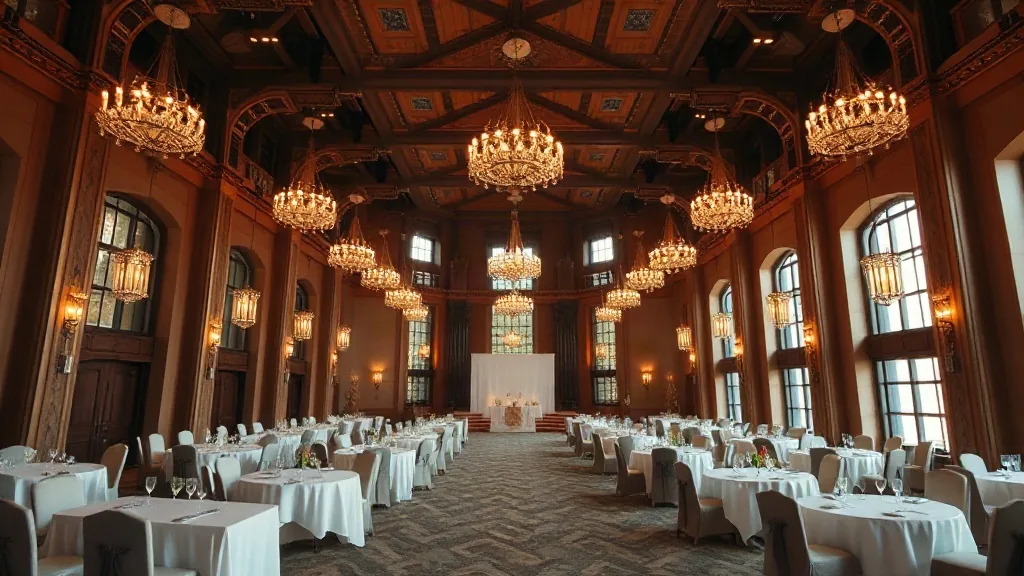
Somewhere in San Francisco, a procurement manager is looking at an insurance certificate for a gallery space in SoMa and asking me if a $2 million general liability limit is enough to cover the art on the walls. That is the wrong question, and it is the one I get asked about once a month, so let’s sort out the actual conversation you should be having with the venue, your broker, and the gallerist before you sign anything.
I spent a decade hauling truss and monitors through loading docks before I moved into production consulting, so I view every white box as a load-in problem first. You see a gorgeous backdrop for your Q3 kickoff. I see the path from the street to the drink rail, and whether the artwork hangs low enough that someone backs a road case into it. That physical risk is the real gap in most event insurance, and it is where the gallery conversation gets interesting.
The wall art is not covered by your standard policy, and that changes your venue choice
Your standard corporate event policy is about people, not property you don’t own. A guest trips over a cable and spills wine, that’s your liability. A guest backs into a $40,000 piece of mixed media on a plinth, that is a property damage claim against the artwork, and most basic policies treat that as an exclusion or a sublimit that will not make the gallerist happy.
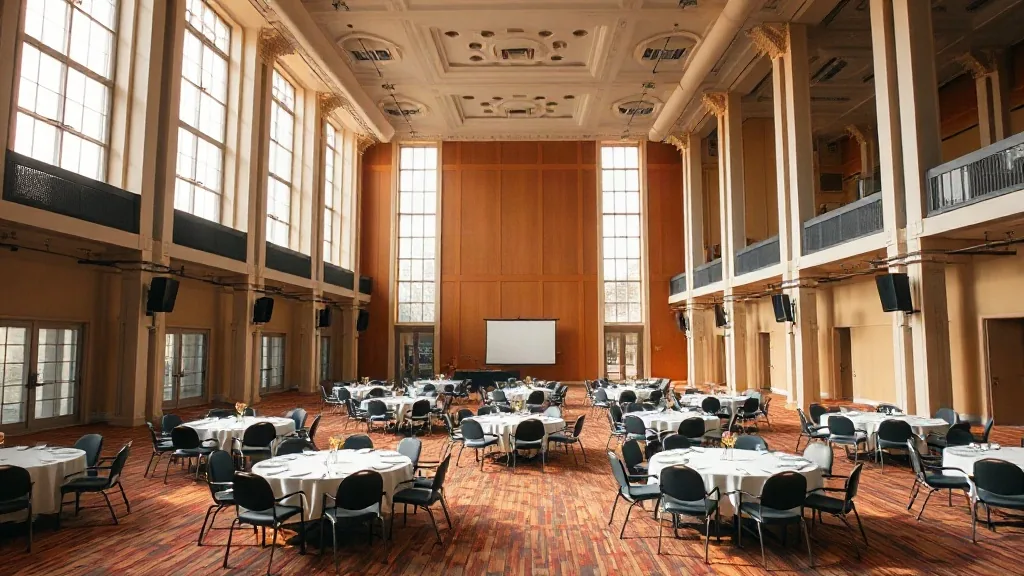
The venue’s own policy typically covers the art, but it covers the art while it hangs there quietly. When you bring in 200 people with tote bags and champagne, the gallerist’s underwriter gets nervous, and that is why most galleries in the Bay Area require you to add them as an additional insured and carry a specific endorsement for the artwork. I tell clients to budget for a rider that covers the value of the displayed collection, and in spaces like the ones you find on my art galleries page, that value is usually printed right on the rate sheet.
What to ask the gallery before you add them to your certificate
Start with the list of dates. Your certificate needs to name the gallery as an additional insured for the load-in day, the event day, and the strike day, because most damage happens during load-in and strike, not during the actual party. I once watched a DJ case take out a corner of a canvas during a teardown at 11 pm in Edmonds, and the production company ate it because nobody had amended the certificate dates.
Ask for the art handling protocol. If the gallery requires a handler on site for the whole event, that person costs between $50 and $75 an hour, and that line item never appears on the venue estimate. Some galleries in Poughkeepsie and Edison will allow you to move pieces to a storage room for the event, but they charge a handling fee per piece, and that adds up fast if the show has serious density.
One more thing: find out where the cameras are. A gallery with active theft coverage will have a security system, and you need to know if the venue requires you to hire their security vendor or if your own guard service satisfies the requirement. That is a cost difference between $45 and $90 an hour per post in most markets.
Production planning is risk management, so think about the sightlines and the sensor grid
Measure the sensor grid. Gallery climate control systems are sensitive to heat and humidity, and a packed room of 150 people in a closed white box will trip the HVAC system into overdrive. I handled a launch party in a converted industrial space near the decommissioned industrial venues in Pittsburgh, and the crowd load overwhelmed the temporary units we brought in. A gallery has a control system that may not react well to fog machines or heavy catering equipment. Ask the venue manager if the hazer is allowed. Many gallery insurance policies either exclude or surcharge for atmospheric effects, because particles settle on artwork.
The lighting plot is another hidden clause. Standard event wash lights can heat up a canvas and cause the paint to expand over the course of a long evening. Galleries in the Woodlands, Texas, where humidity runs high from May to September, are strict about this, because moisture plus heat wrecks archival pieces. Your lighting vendor needs to spec LED fixtures with a low heat index, and you may need to place the rigs farther off the wall than you would in a ballroom.
Here is the point I always concede to my own clients: galleries are not optimized for the event load-in. That is not a flaw, it is a feature of the space. The column-free walls and polished concrete that make the room gorgeous for your dinner are the same features that forbid a single point of contact with the art. You plan around it, which is why I suggest staging the site visit during a normal weekday.
What the rental numbers actually look like and where to save
Gallery rental rates vary wildly by region, and my data from venue sourcing across the country shows the spread. A raw industrial gallery in West Jordan runs $1,500 to $3,500 for an evening. A historic, collection-bearing gallery in Charleston runs $6,000 to $12,000, and that price often includes the mandatory handler and the after-hours security guard. The same physical footprint in Manhattan or San Francisco runs north of $8,000 before you add a single table.
The budget lever is the collection itself. Galleries that rotate shows seasonally will sometimes let you book on a dark week when the collection is changing over, and those dates price lower. I booked an Edmonds, Washington gallery for a product reveal in November by taking a Sunday that fell between the closing of one show and the hang of the next, and the rental dropped by roughly a third because the walls were bare and the liability rider was nearly zero.
Shoulder season matters for galleries too. The regional shoulder season guide I reference for hotels applies, but with a twist. Galleries are driven by their exhibition calendar, not by wedding demand, so the slow months are January and August in most climate-controlled spaces. Those monthly periods show up on the rental contract as “dark dates” and they are your best lever for a discount of 20 to 30 percent off posted rates.
One clause I insist every client check is the bumping clause. Unlike a hotel that might have a cancellation deadline, a gallery can cancel your event with short notice if they land a major exhibition that requires the space. Get a written protection agreement that caps your liability if the gallery cancels, and make sure your deposit is refundable in that specific scenario.
The last cost to model is the loading access. A gallerist in Edison may have a single freight door that requires a reserved street permit, and that permit window runs $250 to $600 plus the cost of a police detail if the load-in path crosses the sidewalk. Confirm that cost before you finalize the schedule. The North Jersey gallery listings I maintain note loading dock access in each venue profile, but you should still verify the permit requirement with the local municipality directly.
When you are weighing a barn against a winery for a summer retreat, the gallery answer is different. A barn versus winery comparison matters for catering and overnight lodging. A gallery matters for the conversation you are forced to have about damage liability before the event. That conversation is worth having with a full understanding of the collection value and the certificate you carry.
Now tell me the headcount and the date you have in mind, and I can tell you within a week whether the collection value rider on that gallery is going to eat your coffee budget or turn the bar package into a negotiation.


