
Master service agreements with a venue group across multiple events
One MSA with a hotel group can lock a rate card, waive a resort fee, and cut your legal review from three weeks to two days per event. Here is what belongs in the master, what stays in the per-event order, and where groups push back.
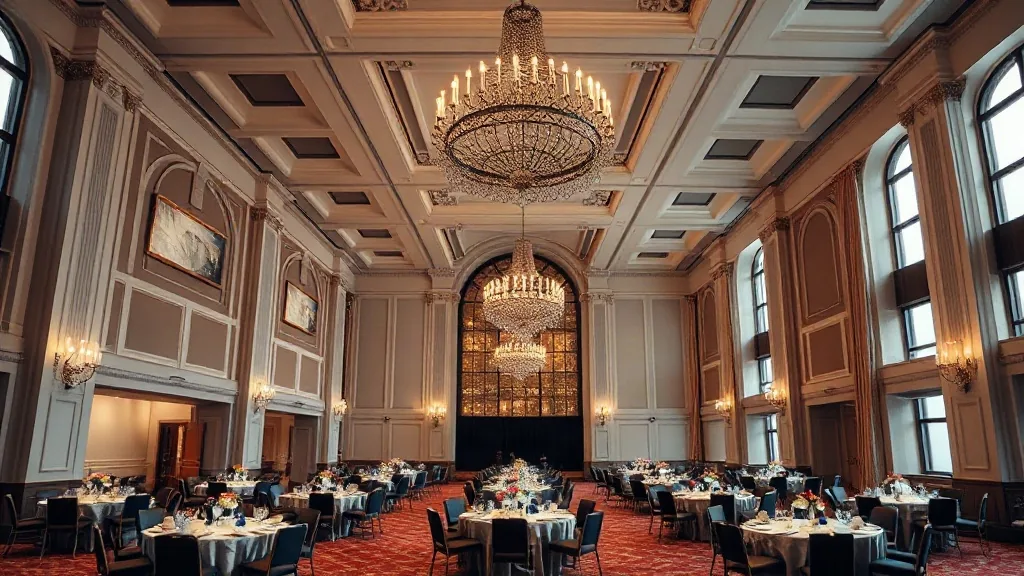
Last year I signed one master service agreement with a regional hotel group and ran six events under it. The sixth event’s contract was a two-page order that referenced the master and took my legal team ninety minutes. The first event, before the MSA, took three weeks of redlines and a $2,400 outside-counsel bill. Same group, same clauses, same insurance requirements. The difference was that we fought all the terms once and never fought them again.
If you book more than three events a year with the same brand or the same group, you are leaving money and legal hours on the table by signing a fresh contract every time. Here is how the master works and where the bargaining power lives.
What an MSA actually is
A master service agreement is the umbrella. It sets the terms that don’t change from event to event: indemnification, insurance limits, liability caps, payment terms, force majeure language, cancellation ladder structure, dispute resolution, and any negotiated concessions the group agreed to across your whole relationship. Under the master, each individual event runs on a short order, sometimes called a booking confirmation or an event addendum, that fills in only the variables. Dates, room, headcount, rate, F&B minimum, deposit schedule.
The value is separation. You negotiate the hard legal terms one time. After that, booking event four is a commercial conversation about dates and dollars, not a legal conversation about who indemnifies whom.
What belongs in the master
Push these into the MSA so you never argue them again:
- Insurance and indemnification. Agree the coverage limits and the mutual indemnity language once. A typical corporate ask is $1M per occurrence, $2M aggregate, with the venue named as additional insured. Lock it.
- Liability cap. Cap the venue’s liability and yours. Many groups will agree to cap direct damages at the total contract value of the specific event and exclude consequential damages both ways.
- Force majeure. This is the clause I fight hardest and the one I most want settled once. Name the specific triggers, define the notice period, and set whether a triggered event gets a refund, a rebook credit, or both. I want rebook credit at minimum with no rebooking fee.
- Cancellation ladder structure. The master defines the shape of the ladder as a percentage of contract value by days out. The per-event order plugs in the dollar figures because the contract value changes each time.
- Payment terms. Net-30 on the balance, deposit percentage, and accepted payment methods. Settle whether card surcharges apply.
- Rate protection. The best groups will hold a rate card or a ceiling. “Group rate shall not exceed the prevailing published rate less 12 percent” is a line worth chasing.
What stays in the per-event order
Everything that genuinely changes:
- Event dates and space held
- Guaranteed headcount and cutoff date
- F&B minimum for that event
- Room block size and rate, if applicable
- Deposit dollar amount and schedule
- The banquet event order, attached and incorporated
Keep the order short. If a term shows up in every order identically, it belongs in the master instead. I audit my orders once a year and promote any repeated clause up into the MSA.
Where groups push back
Groups love MSAs in principle because they want your repeat volume. They resist in three predictable spots.

First, volume commitments. The group will want you to commit to a minimum number of events or a minimum annual spend in exchange for the rate protection. This is fair, but watch the penalty. I agree to a soft target, not a hard shortfall penalty. “Client intends to book a minimum of four events annually” reads very differently from “Client shall pay liquidated damages of $X if fewer than four events are booked.” Sign the first, walk from the second unless the concession is large.
Second, term length. Groups want a three-year master. I sign two with a renewal option, because rate cards and my own event calendar move faster than three years. A multi-year commitment is worth it only when the concession is real and the exit is clean.
Third, most-favored-customer language. I ask that my negotiated rate never exceeds what the group gives a comparable-volume customer. Groups hate this and rarely give it in writing. I ask anyway, because the ask itself tells me how hard they value the relationship.
The concessions an MSA unlocks
Because the group is pricing your whole relationship, not one event, they will move on things they would never touch on a single booking. I have gotten a resort fee waived across all events under a master when the same property quoted it as nonnegotiable on a one-off. I have gotten complimentary meeting space when F&B clears a threshold, comped parking for staff, and a waived attrition band on the first 10 percent. None of that was available on event one. All of it came with the master.
Groups that run hotels and resorts portfolios are the natural home for an MSA because you can move the same agreement across cities. A group with three conference centers in your travel markets is the same play. Even independent event venues under common ownership will do a master if you bring volume.
The mechanics of running one
When a new event comes up, I send the group a one-line request referencing the MSA and asking for a hold on dates and space. They send back an order. I check the order against the master to confirm nothing sneaked in that contradicts it, because occasionally a sales manager who didn’t write the MSA will paste boilerplate that conflicts. The order says it is governed by and subject to the master, and where they conflict the master controls. That single sentence has saved me twice when an order tried to reinstate a fee the master had waived.
Keep every executed order and the master in one folder, versioned. When you amend a term after signing, amend the master, not the individual orders, so the change flows to every future event automatically.
If you run three or more events a year with one brand and you are still signing a full contract each time, you are paying for the same negotiation over and over. Tell me how many events you book annually, with which groups, and what you have already negotiated, and I will tell you what to pull up into a master and what bargaining power you are sitting on.


