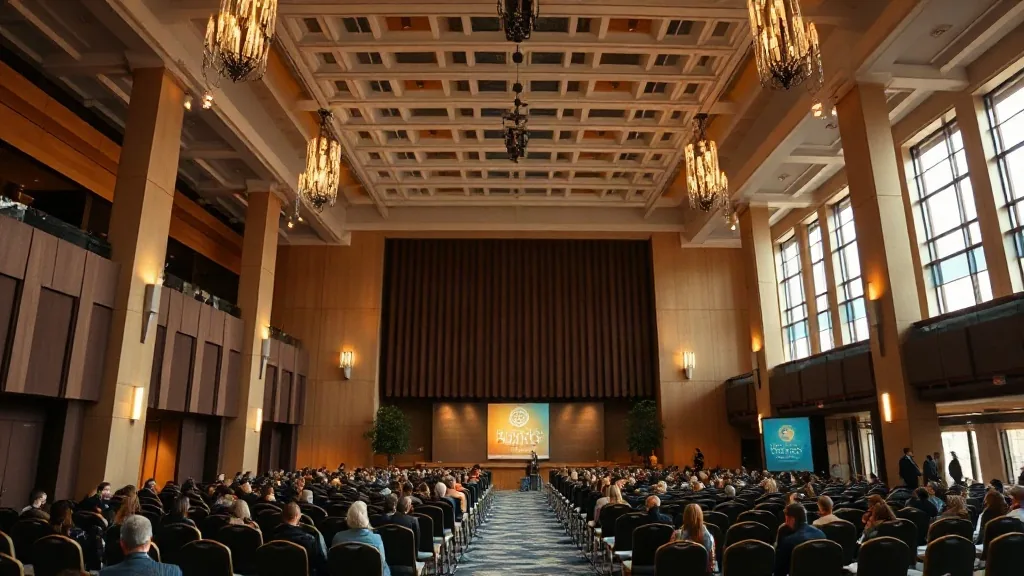
Prayer and reflection space at a multi-day corporate conference
A conference with 900 attendees needs a planned quiet room, not a last-minute $1,100 improvisation.
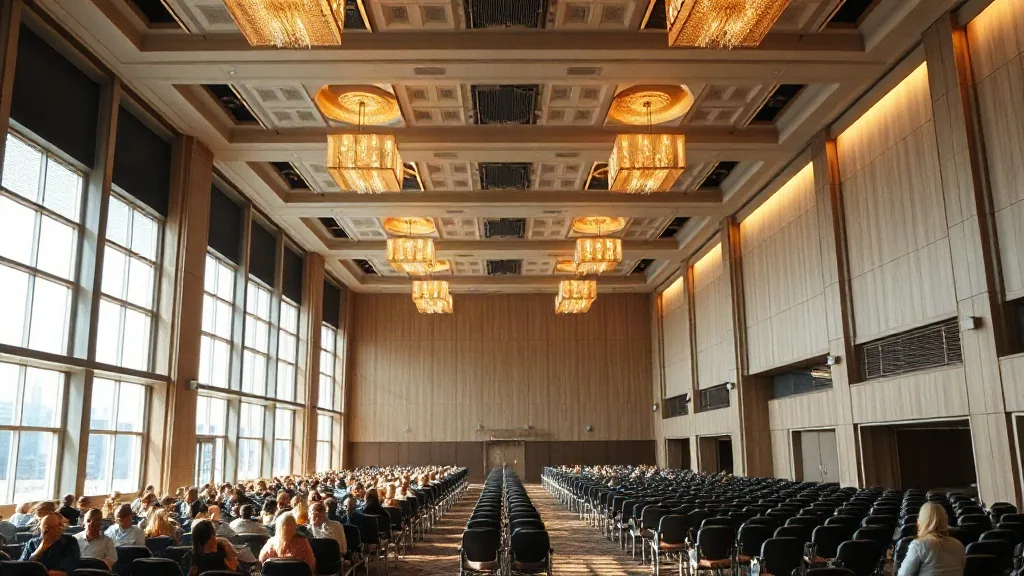
Last November I walked a client through a 900-person tech conference in San Jose and watched her realize, four days out, that she had booked zero quiet space. Her budget line for it was blank. We worked the problem with two unused meeting rooms, some borrowed yoga mats and a sign that said “Reflection Room,” and it cost her about $1,100 in last-minute furniture rental and AV reconfig. It worked, but it annoyed me, because a proper prayer and reflection space is a planning line item, not an improvisation. You plan fire exits, power drops and dietary tags. This should get the same discipline.
What to look for in a floor plan before you sign
Start with the physical footprint. You want a minimum of 300 square feet for a group up to 30 people, and close to 800 square feet if you’re serving a conference of 500 or more. Multiply your expected users by about 14 square feet per person, then add 40 percent for the quiet buffer that nobody thinks about until the room is packed. The room needs unfixed furniture or a layout that lets your crew strike tables in under 20 minutes. If the venue tells you the boardroom table is oak and they can’t move it, walk away and ask for the ballroom pre-function space instead.
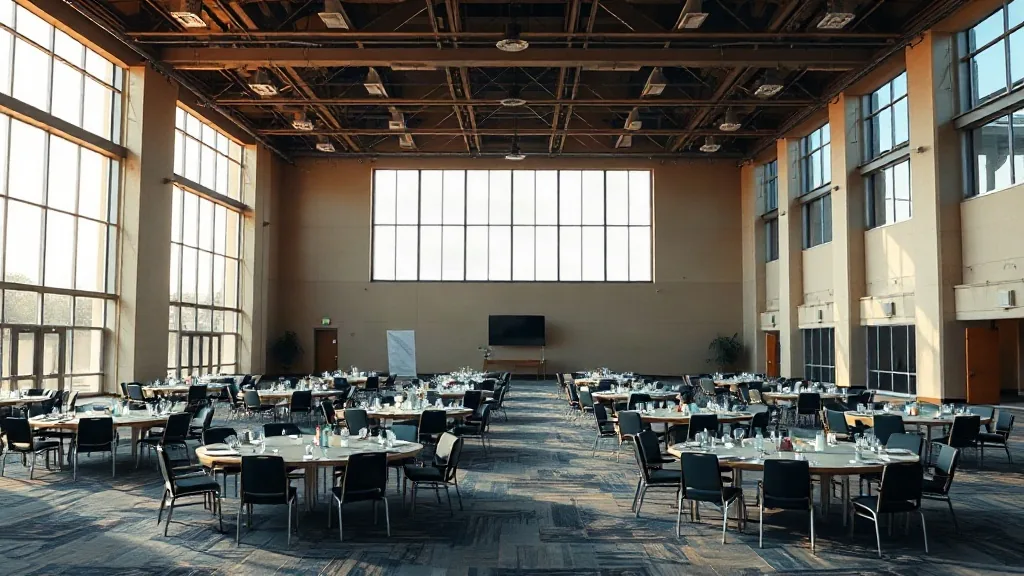
Sound isolation is the second thing I check, and I check it before I ever see the room. Walls that shake when the ballroom next door hits a bass drop will destroy your prayer room. I talk to my clients about sound bleed between breakout rooms and how to test for it because the test is cheap and takes ten minutes. You clap. You listen. You run white noise in the neighboring room and you listen again. If the facility manager has to check their phone mid-conversation, the room fails.
Location in the building matters more than floor finish. Weekend conferences at suburban conference centers suffer from buildings that were never designed for this use case. You want the room on a lower traffic floor, ideally the same floor as the breakout sessions so attendees don’t hike 15 minutes each way. Also look for a room with a direct path to an exterior door. Several faith traditions require washing before prayer, and if the only accessible restroom is two escalators away, people will simply skip the room.
Setting the room for multiple faith groups without overbuilding
Directional needs vary and you should not guess. A few Islamic attendees may want to know Qibla direction and a local Muslim community center will happily provide the compass bearing, but most people use an app on their phone now, so a simple sign in the room telling people to consult their prayer app is fine. Meditation cushions cost around $20 each if you buy in bulk, and you need about one per four chairs. A small refreshment station with sealed water bottles and tissues is a detail people remember; a venue that charges $4 for bottled water at the front desk while you serve free water in the prayer room does not need a policy debate, just a line in your contract.
I would skip permanent signage. Temporary floor stands with a printed screen you can change between sessions are better because Tuesday’s Sunni group, Wednesday’s Buddhist meditation and Thursday’s general quiet space all need different notes on that sign. Budget $200 to $350 for this signage and change the messaging each morning as part of your daily setup checklist. Some planners send message-reading volunteers in 15 minute slots during heavy prayer periods, which is operationally efficient with one or two shifts.
Schedule the program around dawn, midday and travel days
The room is not a passive asset, it is a program component with a load profile. I look at three time bands on the agenda: before the keynote, around the lunch break, and the 30 minutes before the evening reception. Each band has different users. Before the keynote, the room draws people who want to center themselves for a day of back-to-back meetings and introverts who need a minute before facing a crowd of 500. The 10 am to noon window is decidedly lighter in my experience unless a religious observance falls on that day.
The math matters here too. A Friday afternoon breakout that runs through the full Jumu’ah window will simply be skipped by many attendees and the session quality suffers. I always check the calendar math around major holidays and day-of-week patterns when choosing dates and scheduling blocks, because the cost is real. Build a water cooler moment with dates and typical occupancy curves for your operations sheet; you will be shocked at how predictable the curve is once you see the pattern.
Budget, the contract and the attendee experience after the event
Cost per head for a decent prayer room is lower than most planners fear. At suburban conference centers in the Midwest I see daily room rental rates as low as $250 for a 400 square foot empty meeting room, while the same room at a resort property in Hawaii runs $800 to $1,200 per day. On property at a convention hotel the room is often bundled into your master bill at a negotiated rate, but that does not mean you can ignore it in the line item. Put the prayer room on the floor plan and into the cost spreadsheet even if the invoice shows it free; someone at the venue approved that rate and someone else may change it for next year.
The furniture and consumables budget is the one that creeps. Yoga mats, prayer mats, foam kneeling pads, a lightweight privacy divider, the water station and the shoe shelf add up to a figure I have seen range from $600 for do-it-yourself packs to around $2,500 for a supplier who handles setup and breakdown. Add a Saturday-hour labor charge if the venue charges overtime for the crew to strike the room after the last session. Ask your venue about move-out timing and cleanup lanes early, because the prayer room used as a nap space often needs a deeper clean than a typical breakout room. Floor cleaning alone costs me about $0.35 per square foot with a commercial service and is worth it.
Contractually, you need two clauses that many standard venue agreements omit. First, the room must remain available from the moment attendee registration opens until the final evening reception ends, so no mother nature clauses or weather dependent bookings. Second, you need permission for light modification, including masking walls and covering windows, without paying a damage fee or requiring a facilities engineer to unlock a storage closet. Even the venue I love for conference venues in Berlin, New Hampshire during a fall retreat has its own rules for masking and furniture moves, so ask in writing. Reserve the right to adjust furniture placement, within reason, at no extra cost.
Before you lock the venue, run the drive time and the walk time from the furthest breakout room to the quiet space during a changeover. Anything over six minutes in a conference center with a large footprint will hurt usage. At collegial venues like those in Orem, Utah with wide circulation paths it can work, but test the route yourself or you pay for the assumption later.
Send me your headcount, the conference dates and your typical day start time. I can tell you within a day whether the room you have in mind works without major concessions from the venue, and I will send a load-in sketch you can hand straight to your production team.