
The return-to-office effect on offsite demand, by metro
As teams come back to the office, the offsite did not die. It changed shape and clustered in specific metros. Here is what I am seeing in booking patterns city by city, and what it means for your dates and your rate.
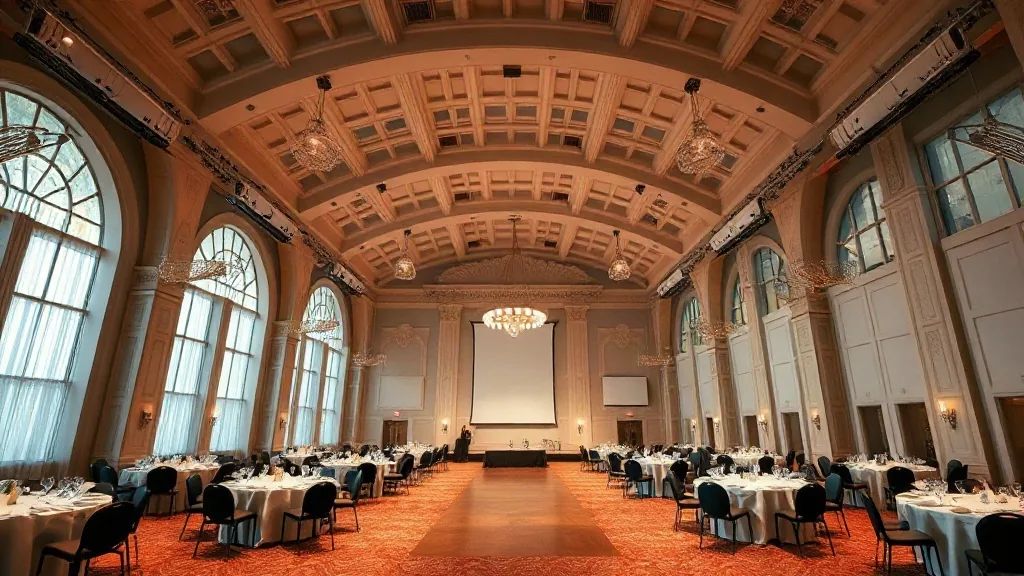
A distributed software team I consult for spent three years fully remote and never once gathered in person. In January they mandated three office days a week, and by February they had booked their first company offsite since 2022, a 90-person two-day gathering in Denver. That sequence is not a coincidence. The return to office did not kill the offsite. It rebuilt the reason for one, and the demand is landing in specific metros in ways that move your rate.
I sit on the production and logistics side, mostly with Bay Area clients, and I watch where the bookings cluster. Here is the metro-by-metro read.
The counterintuitive part first
Everyone assumed that offices coming back would reduce offsite demand, because if people see each other Tuesday through Thursday, why fly them somewhere. The opposite happened for distributed companies. A three-day office mandate does not solve the problem for a team spread across eight cities, because there is no single office they all return to. For those companies the offsite became the only time the full team is in one room, and demand went up, not down.

For companies that were always co-located, offsite demand did soften. They get their in-person time daily now, so the annual offsite feels less urgent and some cut it. The net effect depends entirely on how distributed a company is, and that is why the demand is lumpy by metro instead of uniform.
Where the bookings are clustering
Denver, Austin, Nashville. These are the winners. They are central enough that a distributed team pays reasonable airfare from both coasts, the venue costs sit below the coastal metros, and they have the conference center and event venue inventory to absorb 50 to 150 person offsites. I am seeing lead times compress most here because everyone had the same idea. Denver dates in the spring and fall shoulder windows are getting tight four to five months out, where a year ago you could book them in eight weeks.
Chicago, Dallas. Strong for the same central-geography reason, with more inventory, so rates held steadier. If Denver is booked, these are the fallbacks, and they are underrated for a mid-size distributed team because the airlift is good and the venue supply is deep.
New York, San Francisco. Softer offsite demand, higher costs. Companies headquartered here that came back to office are the ones most likely to have cut the offsite, and the ones that keep it pay coastal rates. Where these metros stay busy is customer-facing events and executive convenings that need the address, not internal team offsites.
Second-tier metros. Places with a corporate anchor and real venue supply are picking up spillover as the central hubs fill. The play is to watch where the hub cities price you out and move one tier down before everyone else does.
What return-to-office changed about the offsite itself
The format shifted alongside the geography. The offsites I am booking now are heavier on working sessions and lighter on entertainment, because the point is the in-person collaboration a hybrid schedule cannot deliver. That means more breakout space, better AV, and rooms you can reconfigure, not a resort with a golf package.
It also killed most of the poorly-run hybrid attempts. Companies tried streaming the offsite to remote stragglers and it worked badly, which I get into in hybrid event AV reality check. The current consensus is that if you are going to gather, gather everyone, and do not build a second-class remote tier. That is part of a broader correction I wrote about in the hybrid backlash of 2026: the pendulum swung from “everything hybrid” back toward “in person on purpose, or not at all.”
The procurement angle nobody warns you about
Return-to-office collided with tighter procurement review at the worst time. Just as distributed teams rediscovered the offsite, the approval process got slower, because procurement now wants competitive quotes and payment terms on event spend. I laid those demands out in 2026 procurement demands. The practical effect is that your internal approval now takes weeks longer at exactly the moment the best metro dates are booking faster. That squeeze, slower approval against faster booking, is the single biggest planning problem I am helping clients solve this year.
What this means for your dates
Three moves if you are booking a 2026 offsite for a distributed team:

- Pick your metro by airlift, not by preference. Central hubs win because they minimize total airfare across a scattered team. Denver or Austin over a coast, unless you have a specific reason for the coast.
- Book earlier than you think you need to. The hub metros are compressing. If your dates are in a shoulder season, treat four to five months out as the new comfortable window, not the aggressive one.
- Use flexible space, including coworking. For a 40 to 80 person offsite, coworking spaces with event capacity in the hub metros are absorbing demand that used to go to hotels, at better rates and with the reconfigurable rooms this new format needs.
The headcount inside the offsite changed too
Return to office did not just move where offsites happen, it changed who comes and how many. When a distributed team gathers now, the pressure is to bring everyone, because the whole justification is the in-person collaboration a hybrid week cannot deliver. That pushes headcounts up. The 60-person offsite that used to bring the leadership layer now brings the full 90-person org, because leaving 30 remote people out defeats the point. Bigger headcounts change the venue math: you cross out of the boutique-hotel meeting rooms and into real conference space, and your per-head transport bill grows with the scatter of origin cities. I am seeing average offsite headcounts up roughly 20 to 30 percent for distributed clients versus their pre-mandate gatherings, which is why the mid-size conference rooms in the hub metros are the inventory getting squeezed first. Plan for a bigger room than your last offsite needed, because the reason you are gathering now rewards bringing more people, not fewer.
The read for 2026
Return to office did not end the offsite. It sorted demand: up for distributed teams, down for co-located ones, and concentrated in a handful of central metros where the airlift math works. If your team is spread across cities, your offsite matters more than it did in 2022, and the dates you want are getting harder to get.
How distributed is your team, and which metro are you eyeing? Tell me the spread of your headcount across cities and I can tell you which hub gives you the best total airfare and the dates you still have a shot at.


