
Franchise discovery day: the venue is your closing tool
A discovery day sells the franchise before the FDD ever gets signed. The room you pick either backs up your $40,000 franchise fee or quietly undercuts it. Here is how I stage the day so the space does the persuading.
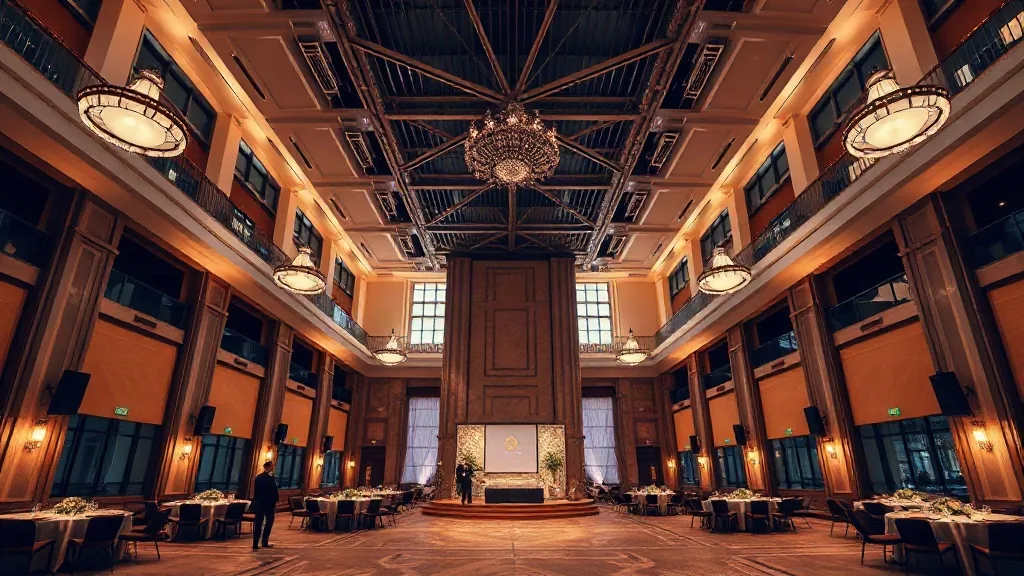
A franchise brand asked me to run their discovery day in a $79-a-night airport hotel meeting room because it was cheap and close to the plane. Six candidates flew in ready to write a $40,000 franchise fee check. They walked into a room with a stained ceiling tile and a coffee urn that ran out at 9:40am. Two of the six signed. The brand blamed the market. The room did that.
I sell franchises for a living now, on the venue side, and discovery day is the single highest-stakes event a franchisor runs. The candidate is deciding whether to hand you six figures and five years of their life. The venue is the first proof that your system is worth it. Cheap reads as broke. Broke does not sell franchises.
What the day is actually doing
Discovery day is a two-way close. You are qualifying them and they are qualifying you. Everything they see becomes evidence. A tight run of show says your operations manual is real. A catered lunch that arrives on time says your supply chain works. A validation call with an existing franchisee, taken in a quiet breakout instead of a hallway, says you have nothing to hide.
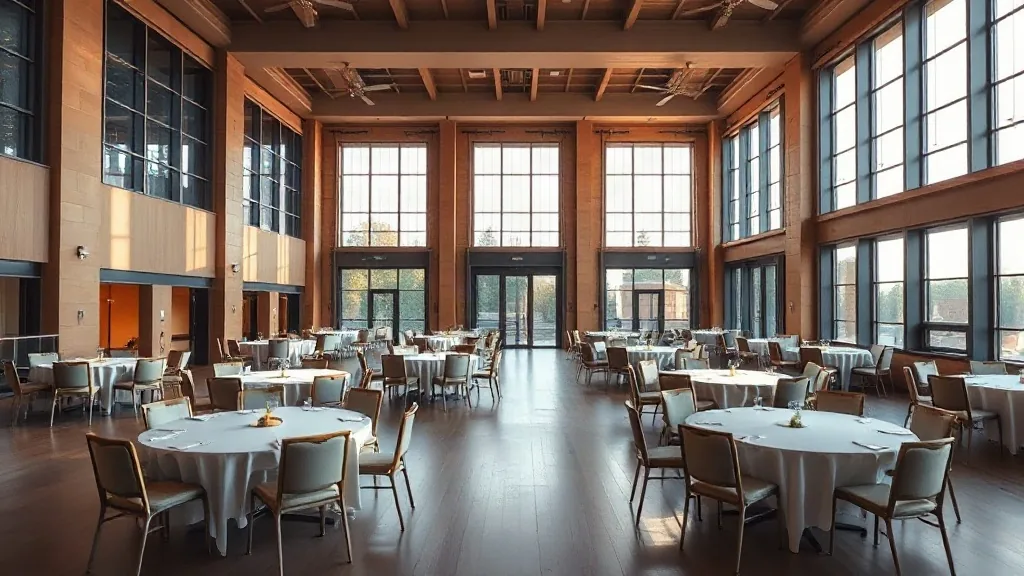
The room is the set for all of it. I budget discovery day at $180 to $320 per candidate for a group of six to twelve, and I spend it where the candidate can see it.
Room one: the presentation room
This is where the founder tells the origin story and the CFO walks the unit economics. I want a room that seats your group in a hollow square or a shallow U, never classroom rows. Classroom rows put candidates in the back where they check their phones. A U for eight puts every candidate four feet from the founder and makes the day feel like an invitation, not a webinar.
Screen at the short end, 16:9, with the unit-economics slides legible from the farthest seat. Test that. Sit in the back chair and read the smallest number on the P and L slide. If you cannot read the average unit volume figure, your projector or your font is wrong, and the one number that closes franchises is the one they could not see.
The buildout tour, if you have one
Restaurant and retail brands close hardest when the candidate stands inside a real unit. If your discovery day city has a flagship, the middle of the day belongs there. Walk them behind the line. Let them see the ticket times, the labor board, the actual mess of a lunch rush. Candidates who see a working unit stop asking whether the model works and start asking whether they can run one.
No flagship in town? Then a private dining room at a strong restaurant beats a hotel meeting room for the meal portion, because a room that runs its own operation well is itself a demonstration. I have closed candidates over a plated lunch in a private room precisely because the service was sharp and they noticed.
The meal is a stage, not a break
Do not feed discovery day candidates a boxed sandwich at the same table where they just saw your slides. Move them. A change of room resets attention and signals that the day has structure. Lunch is where the validation happens anyway, because that is when the existing franchisee you invited sits down and answers the real questions about money and hours.
I stage lunch as a plated meal for groups under fourteen. Plated forces conversation and controls timing. A buffet turns your closing meal into a line, and the same throughput problems that hit a franchisee convention feeding 800 owners hit a discovery lunch in miniature. Keep it plated, keep it moving, and keep the founder at the table.
The economics of the venue choice
Here is the math the CFO needs. A discovery day that converts three of six candidates at a $40,000 franchise fee is $120,000 in fees plus years of royalty. The venue difference between the airport hotel and a proper conference center or hotel meeting suite is maybe $2,500 for the day. If the better room moves your close rate from 50 percent to 67 percent, one extra signature pays for the room forty times over.
I have watched brands protect $2,500 and lose a $40,000 candidate because the space told the candidate the brand was cheap. Cheap is a message. You do not get to control what the candidate concludes from a broken coffee urn.
What I put in the contract
Guaranteed room readiness by 7am, because candidates arrive early and a half-set room during load-in kills the first impression. A dedicated point of contact on property the whole day, not a front-desk handoff. Coffee and refresh service that gets replenished on a schedule I set, not “as needed.” And a quiet breakout room held for validation calls, named on the BEO, because candidates want to step out and phone an existing owner privately before they commit.
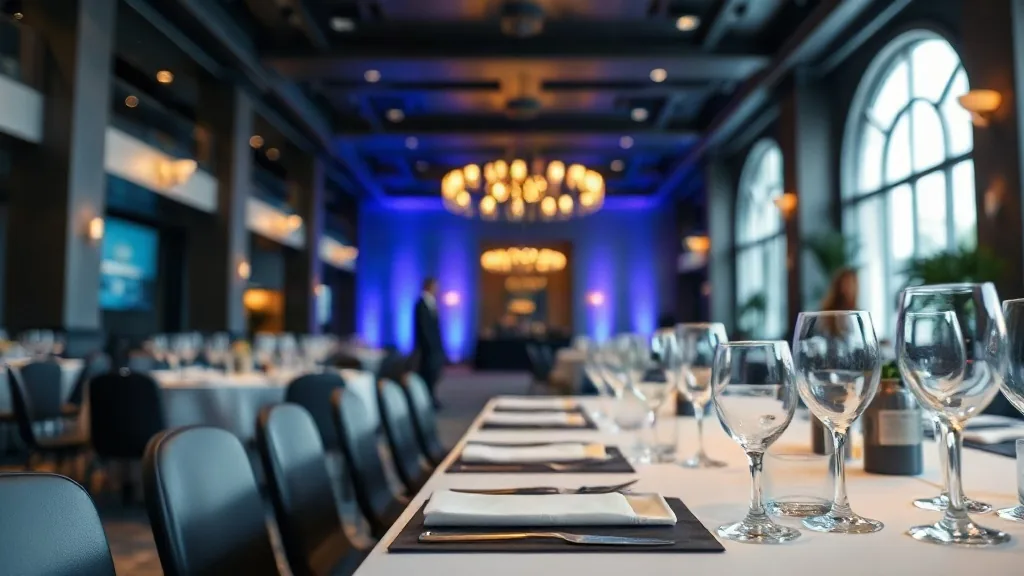
For multi-city brands running discovery days monthly, I negotiate the same room in the same hotel or resort as a standing hold. Consistency makes the day repeatable and gives your sales team one less variable. The run of show carries over cleanly from a sales kickoff structure, and the reveal energy borrows from how I stage a product launch event.
Do not close in a bad room
The mistake I see franchisors make at the end is dragging a hot candidate into a windowless back office to sign the FDD receipt. You spent the whole day making the brand feel like a place worth $40,000, and then you close in a room that feels like a used-car cubicle. Sign in the good room. I keep the presentation space or a bright private dining corner open for the paperwork, with the founder present, so the last physical memory of discovery day matches the first. The 24-hour disclosure clock on the FDD means most candidates will not sign that day anyway, so the real job of the closing room is to send them home wanting to, not to squeeze a same-day signature the law discourages. A candidate signs harder when the environment still says the brand is worth it.
The tell that you got it right
At the end of a good discovery day, candidates linger. They do not rush to the airport. They stay in the room asking about territory and buildout timelines because the day made them want in. That lingering is the venue and the staging doing their job.
Tell me how many candidates you are flying in and whether you have a flagship unit in the discovery city. Those two facts decide whether your day is a slide deck in a hotel or a closing that happens in the room.


