HIPAA-adjacent events: badge scanning and attendee lists in healthcare
Healthcare event planners navigate strict rules on badge scans and attendee data sharing.
I started planning healthcare events in 2017, and the first pharma client I worked with asked for something that sounded simple: “We need to know who came to the dinner.” That request pulled me into a decade of badge scanning, attendee list arguments, and one particularly tense afternoon where a sales rep asked me to “just send the list over” without reading the fine print I’d been given to enforce. I’ve booked rooms since, but this part of my job stays the most delicate. Most planners talk about the menu or the AV; I spend my weeks negotiating what happens to a QR code after someone scans it.
A note before I get into the practical stuff: I’m not an attorney, and I don’t play one in your ballroom. The rules around HIPAA and event data shift by interpretation, firm policy, and the specific jurisdiction where you’re booking. You need to confirm the exact wording with your own compliance or legal team before you send a single email. What I can give you is the operational playbook I’ve built, trial by error, across roughly 200 healthcare-adjacent events in Florida and beyond.
The first conversation is with compliance, not the venue
Before you book a single room, you need to know what your client’s compliance team will actually approve. I learned this the hard way back in 2019 when I scouted a lovely space in Tampa, signed the contract, and then discovered the client’s policy prohibited any digital capture of attendee data at promotional dinners. I ate the cancellation penalty on that one, roughly $4,800 down the drain.
The questions I now ask in the first call with every healthcare client shake out like this. Is the badge scan a door count or a data capture tool? When is the data deleted? Most of my pharma clients cap dinner between $75 and $125 a head, and their compliance teams usually want the attendance roster destroyed within 30 days of the event.
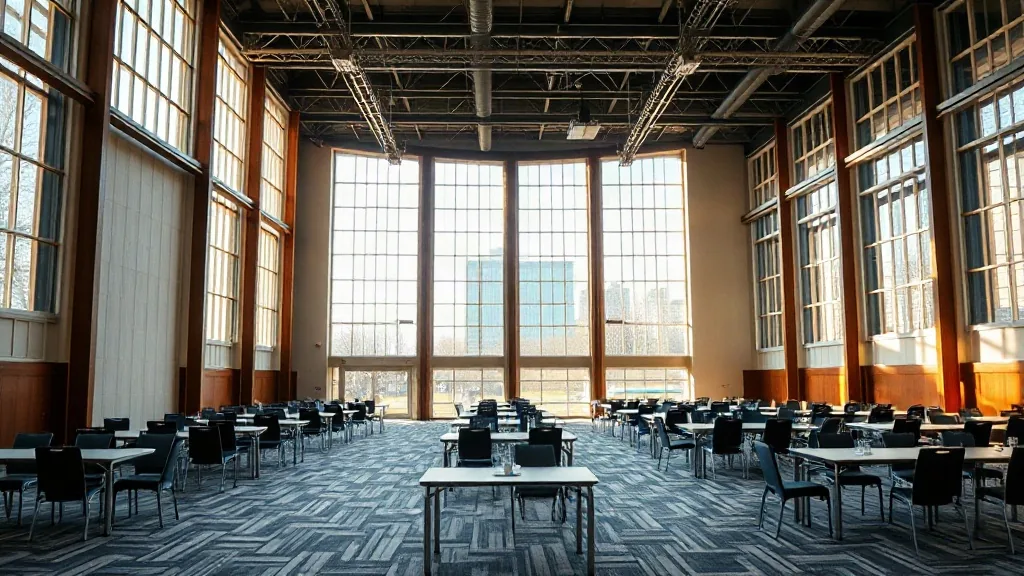
Here’s where I’ve found a concession actually saves me time. If the compliance team asks for a manual process, meaning a paper sign-in sheet at a registration desk with a clipboard, I won’t fight it for events under 60 attendees. For larger conferences where you’re managing 500 people across four breakout sessions in a space like the ones you book through my favorite list of convention centers, you need digital scanning because you won’t get an accurate count otherwise. Just make sure the venue’s own WiFi network is contractually reliable enough for real-time syncing.
The practical mechanics of scanning and sign-in at the door
So you’ve passed the compliance review, and you’re standing at a registration desk with a box of scanners that just arrived from a rental company. I set up my registration table a full 90 minutes before the first attendee walks in, because the battery charging alone eats thirty of those minutes if you’re juggling ten chargers with only four outlets.
The hand-off point is where I’ve seen events fall apart. If you have a sales rep holding a phone with a scanning app while a contract employee runs the check-in clipboard, you have two conflicting data streams. Pick one method and stick to it. For evening dinner programs under 100 people, I actually prefer the check-in at a podium over the badge scan at the table.
When you do scan physical badges at a larger medical conference, position a staff member directly behind the scanner rather than relying on attendees to press the button themselves. The dedicated scanner operator keeps the line moving at about 12 people per minute in my experience, which sounds fast until you have a 7:50am start and a plenary session at 8:00 sharp with 400 clinicians in the lobby.
One operational trap: the dead zone. I move the table about 15 feet into the corridor, create a funnel with stanchions, and scan as they pass through that chute. I’ve booked breakout events at venues like the ones in the Kennesaw convention centers list where the pre-function space is narrower than it looks in the brochure, so measure the actual corridor during a site visit rather than trusting the floor plan dimensions.
Attendee list sharing rules after the event closes
The scanned data itself belongs to the client from the moment your rental returns at 10pm. What is not straightforward is the venue’s network log, which records every device that connected to their WiFi during the event window. I ask the venue at contract time to disable the WiFi’s attendee registration feature and run an open network where no login credentials are captured. An open network is slower and less secure, but it avoids creating that metadata record entirely for physician audiences.
Wait about three business days after the event before circulating final attendance lists internally, even when compliance has pre-approved the release. I learned this from an auditing-minded client who explained that late-adds always trickle in via email days after the program. I’ve found that Tuesday or Wednesday events see the most late registrations. Those sessions don’t finalize until Friday, so I hold the report until the following Monday and tell the client it’s on a standard processing cycle, not a delay tied to any particular concern.
Venue choice affects your compliance burden more than the menu does
When I’m booking healthcare events, the room rate matters less than the venue’s data handling infrastructure. I’ve walked away from beautifully priced ballrooms because their in-house event app required attendees to register with a unique email and a temporary password, creating a data trail I couldn’t control or delete on my schedule. A missing dessert on a buffet costs you $200; a venue privacy policy you can’t unwind can cost you a client relationship.
Look at how the venue handles the catering count versus the attendance count, because those get conflated constantly. The venue sends me a food-and-beverage minimum based on a projected headcount, and they want to verify that count against scans a few days later. That’s fine for billing, but when a venue manager calls me to ask for the raw attendance list to “help reconcile the invoice,” I decline and offer the verified count instead.
Smaller market venues often have more flexible data agreements than the big urban flagship properties. I’ve hosted events at a state college facility outside State College that simply did not have the infrastructure to capture much data, and frankly that made my compliance life easier. The flip side holds too. I recently toured a newer convention center building in the Villages where the sales director described an integrated attendee tracking system as a selling point, and I immediately checked whether I could turn that feature off, not on, for a healthcare audience.
Between the paperwork and the scanning operators, I’ve learned that you ultimately reserve two things at any healthcare event: the square footage and the silence about who walked through it. Read the badge scanner rental agreement, not your venue contract, for the clause about who receives the scan data stream after the event, a detail I saw buried on page four of a rental form once. A final confirmation on that point is worth the uncomfortable phone call.
So now I want to know what your situation actually looks like. Are you managing a physician dinner for 40 people, or planning a multi-session symposium for several hundred? What does your client’s compliance team allow you to scan at the door, and how long do they keep the data? Send me your headcount, the rough date you’re considering, and the strictest sentence from your own policies; I can point you to a venue that handles the load without tripping your reporting requirements. I have a few dates in late spring where the venue data clauses are unusually clean.