Multilingual attendees and when simultaneous interpretation pays for itself
A $46,000 interpretation bill saved a trade association's multilingual conference.
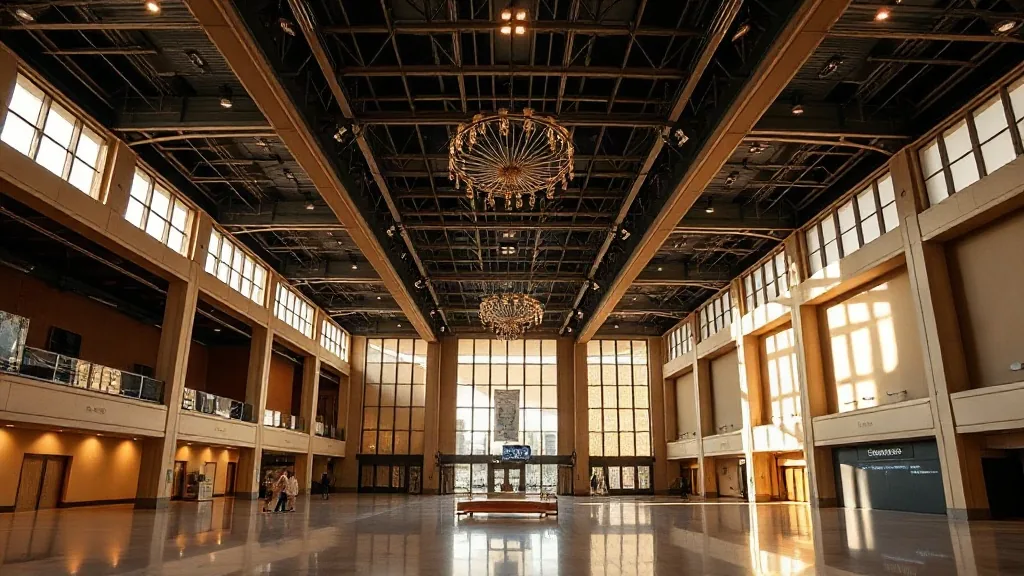
The last time I priced interpretation for a 400-person policy conference in DC, the bill for two days of Spanish and Mandarin ran just over $46,000. That covered eight interpreters, two languages, a full equipment package with 400 receivers, and two technicians to babysit the RF spectrum in a ballroom at the Walter E. Washington Convention Center. My client, an international trade association, nearly choked on the number until I walked them through the alternative. Without interpretation, half their non-English-speaking delegates weren’t going to attend at all, which meant they’re not buying exhibition space, they’re not booking hotel rooms, and they’re probably not renewing membership dues. Let’s put the $46,000 in perspective against what a single corporate member pays annually.
Start with the headcount math before you call an agency
You don’t start with language pairs. You start with a spreadsheet of who is actually coming and what their ticket economics look like. The rule of thumb I use for associations is that interpretation pays for itself when non-dominant-language attendees make up more than about 15 percent of your projected registration, or when even a handful of them are high-value sponsors or board members.
I ran a smaller event last year for a research consortium with a $189,000 total budget. They initially said no to interpretation because it looked like a line item inflating their per-head cost from $240 to nearly $410. Then we looked at the registration data. Nineteen attendees from their Japan and Korea offices were confirmed, and three of those were institutional funders responsible for about $2.1 million in annual operating support. The $12,500 quote for Korean and Japanese coverage looked tiny next to a $2.1 million risk. That event ended up in a venue sourcing model that bundled interpretation equipment in their AV package, which is worth checking before you assume you’re paying full retail.
The equipment math shifts, too. A simultaneous interpretation system costs roughly the same whether you have 30 listeners or 300, because the rental is driven by the interpreter booths and the central transmitter console. The receivers are the only per-head cost, and they run $6 to $15 per day depending on whether you need infrared or RF. Infrared works well in a ballroom but fails in rooms with lots of glass walls or heavy sunlight. RF signals travel further and handle interference better, but they can bleed into adjacent meeting spaces. If a neighboring session is running on the same frequency block, you get an embarrassing crosstalk problem where delegates hear the wrong keynote. I’ve had venues flag this only during the technical rehearsal, so ask your AV provider about frequency coordination with other events in the building. Many convention centers have a dedicated frequency coordinator on staff, which saves you from renting your own spectrum analysis gear.
I’ll concede a point here: for a smaller meeting, with under 100 attendees and genuinely good English proficiency across the group, consecutive interpretation is a fair budget saver. It adds roughly 30 percent to the length of every session, but for a working group or a closed roundtable, the pace can actually encourage more deliberate discussion. Just don’t let anyone tell you consecutive works for a general session or a plenary keynote. It does not.
The actual pricing breakdown and where the budget surprises hide
I want you to understand what sits inside that $46,000 figure, because an uninformed buyer sees the lump sum and pays double or triple for things they don’t need. Professional simultaneous interpreters in the DC market bill at $650 to $1,100 per day depending on language pair and scarcity. Japanese and Korean run at the high end because the certified interpreter pool is shallow. Spanish, French and Portuguese sit lower. You pay for two interpreters per language, because simultaneous work is punishing and professional standards require switching every 20 to 25 minutes.
Now the hidden line items that shock first-time buyers. The interpreter booths are not included in most interpreter quotes. A portable soundproofed booth rents for $85 to $140 per day, and you need one per language pair. I once had a graphic designer insist the interpreters could just sit at a table in the back of the room without a booth, and the only reason I pushed back is that a booth matters to the quiet ears in the front row who get distracted by a whispered aside during a switchover. There is also the matter of the interpreters needing to see both the presenter and the projected slides, so booth placement is a room-design decision you make with the venue.
The other budget surprise is the platform fee if you’re doing hybrid. Remote simultaneous interpretation costs $150 to $250 per interpreter-hour. This is notably different from the pay-per-day model for in-person work, so your cost estimate changes shape if only 15 of your 200 attendees are joining virtually. One way to contain this: run your pre-meeting documents and post-session recordings through AI translation rather than paying live interpreters for material that doesn’t require real-time delivery. The machine output is good enough at 80 percent of transcription accuracy for documents that are going to be read asynchronously. It is not good enough for live plenary content when the topic includes legal or regulatory substance, which brings me to high-stakes fields.
For pharma and medical device clients, the compliance stakes run to dinner limits at medical education sessions, plus policies that govern how you separate the educational component from any adjacent social program. Most of my pharma clients cap non-CME dinner between $75 and $125 per head and pay strict attention to who is speaking versus who is just participating. If you add interpretation to that mix, your compliance team needs to confirm that the translated materials also meet the firm’s disclosure standards. Your interpreters, for example, need the final slide decks at least three business days before the event because they are translating technical therapeutic language. Last-minute slide edits have real consequences in accuracy, so the change-control process is not a paperwork burden, it is a quality control item. Confirm the specifics with your own compliance team or legal counsel, because rules vary by firm and they shift more often than you expect.
Reading the room and the content to know which notes fly in translation
Set the tone programmatically too. If attendees include working-level speakers who present in their non-dominant language, building interpretation gives you the license to ask them to speak in their mother tongue. That is frequently a confidence boost that shows up as a stronger presentation, and the attendees who struggle in the majority language hear the content more deeply. I consistently book more interpretation for a working conference in Austin than for a gala in Bossier City, because the format dictates where the listening burden falls. A plenary in an auditorium has one speaker and perhaps 250 pair of ears, everyone watching one person. A breakout with simultaneous panelists during breakout sessions across seven rooms multiplies the attention split, so coverage matters most there.
Failure modes, from the near-miss in the hotel ballroom to the setup checklist
When you finally get a proposal from an interpretation agency, one expense remains eternal. The interpreters fly themselves, and their per diems are not subject to auction logic. Airfare gets baked in if the venue is not served by a direct international flight from a hub. In the Texas convention circuit, many routine service calls originate from Dallas with clear connections, but find out if the interpreters are expected to spend a night before travel to appear rested. Contractors observe the same standard I apply to time zones in long all-staff planning sessions: language proficiency is compromised by fatigue faster than linear report forms admit.
You should plan to send your interpreter team the agenda 10 to 12 days out and slide decks at least 72 hours ahead, not for comfort, but because technical accuracy is materially improved when researchers prep terms. Tell us your headcount breakdown by native language and your meeting date if you’d like this modeled for your event.