Registration queue math: how many check-in stations for 600 people
Six hundred guests need 14 check-in stations to avoid a 45-minute queue.
Back in March, I watched a client burn through roughly $4,200 in overtime labor because their 600-person registration block had only five check-in stations, and the queue spilled into a loading dock for forty-five minutes. The math for that kind of jam is not a secret, and the venue won’t volunteer the right number because selling you fewer stations means selling you less staffing. I’ve done this long enough on the vendor side to know where the bodies are buried. Here’s the actual breakdown.
The 60-second-per-attendee rule and why it holds
The easiest starting point is the standard that most mid-size tech conferences I book will accept: one station for every 60 to 75 attendees, per half-hour of peak arrival. For 600 people, that means you want eight to ten stations if everyone shows up in a single 9:00 AM window. If your schedule staggers arrivals over ninety minutes, you can drop to six stations and still be fine.
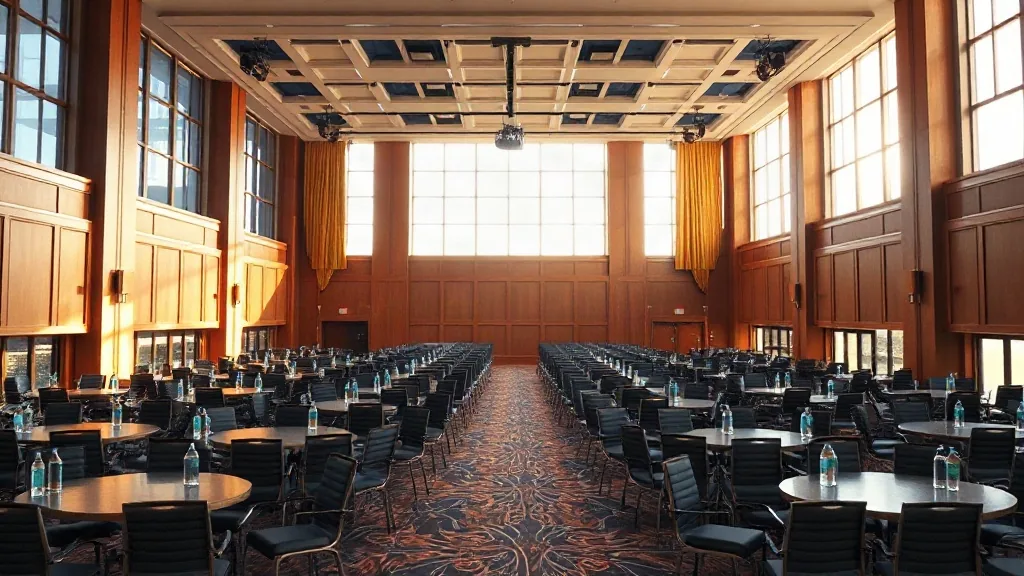
But the math only works if you plan for the worst fifteen minutes, not the average. Your emails say 9:00 AM, so about 60 percent of that crowd will try to walk in between 8:40 and 9:10. That’s 360 people in thirty minutes, or 12 people a minute. A decent scanner person with a badge-printing station for an event without pre-printed badges processes one person in about 50 to 70 seconds, so you’re looking at roughly nine stations just to stay level.
You also need to build in the queue to keep your belt-pack or RFID scanning staff from standing idle for ninety minutes after the rush. The plan above gives you roughly 10 stations staffed for the first two hours, then you can cut to three people on a skeleton crew and move the rest to the help desk. Factor that staff reduction into your labor quote, because the difference between staffing six stations for six hours versus ten stations for six hours is around $800 to $1,400 depending on your city and the prevailing wage.
One caveat on the formula: the 60-to-75 number assumes a standard badge pickup with a QR code scan, a name label, and a lanyard. If you’re handing out swag bags, collecting waivers, or binding patients to a per-facility registration sheet, you need to add a station per 40 attendees and accept that the line will just take longer.
The two-phase budget breakdown most planners miss
The loaded cost of a check-in station is never just the table and the iPad. When I quote this out, I break it into three lines: hardware, staffing, and the queue’s real estate. For a 600-person event, the typical total runs from $2,800 to $5,500.
Start with hardware. A basic station with an attendant, a 10x10 pop-up, a table, two chairs, a power drop, and a Wi-Fi booster runs $75 to $125 per station per day from most AV suppliers I use in Atlanta. That comes to under $1,250 for ten stations, which is the smaller part of the invoice. The staffing line is where the big numbers are, and you want to decide on the ratio of paid labor to volunteer labor before you start signing forms. Paying a registration associate $22 to $28 an hour is one thing. Bringing in union labor to run a power drop or a network line is another process entirely that will shape your station setup; if you are working in a union venue, the load-in cost for the AV and power can push a simple table setup to over $300 per station, so confirm that upfront in your venue walkthrough and not after the invoice arrives.
The line that surprises a lot of junior planners is queue real estate. You need about six linear feet per queued person if they’re standing socially distant, and about three feet if they’re packed shoulder-to-shoulder for a fast-moving corporate event. For 360 peak people, you’re carving out somewhere between 1,080 and 2,160 square feet near the entrance. A small ballroom at 10 feet by 100 feet of clear span works. A narrow hallway with coat check and a coffee cart on either side does not work at all. I once planned a 600-person product launch at a converted warehouse in Atlanta’s Castleberry Hill area, and the check-in space was a wide corridor that looked fine on the floor plan, but the fire marshal inspected a day out and reduced occupant load by 15 percent because we planned to block a door with the line. Call the fire marshal before you lock the floor plan, not after.
What the venue’s capacity sheet does and doesn’t tell you
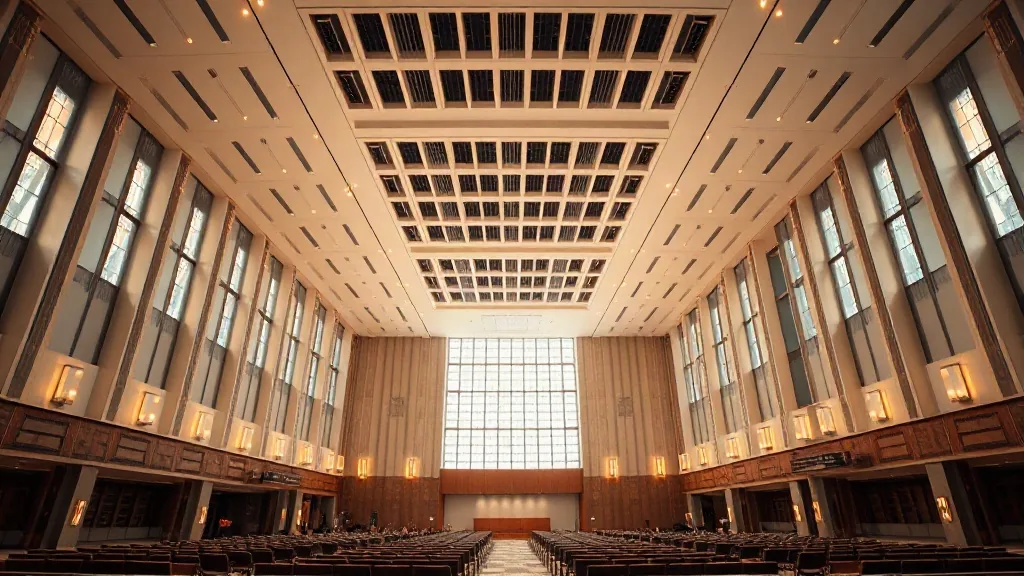
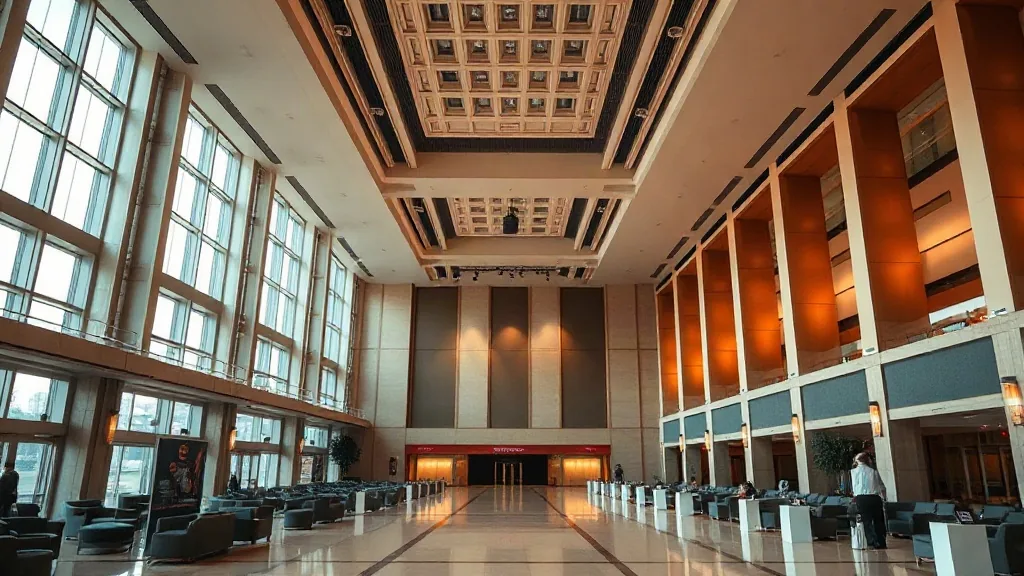
A venue will sell you a lobby that “holds 500” for a reception and then look confused when you want to check in 600 people there. Capacity on a floor plan is a fire code number for standing bodies, not a usable number for tables, power cables, lane dividers, and a line that can snake back toward the entrance. You want a qualified organizer to tell you that a 60-by-40-foot lobby is a tight squeeze for a 600-person fast check-in, not a generous lounge.
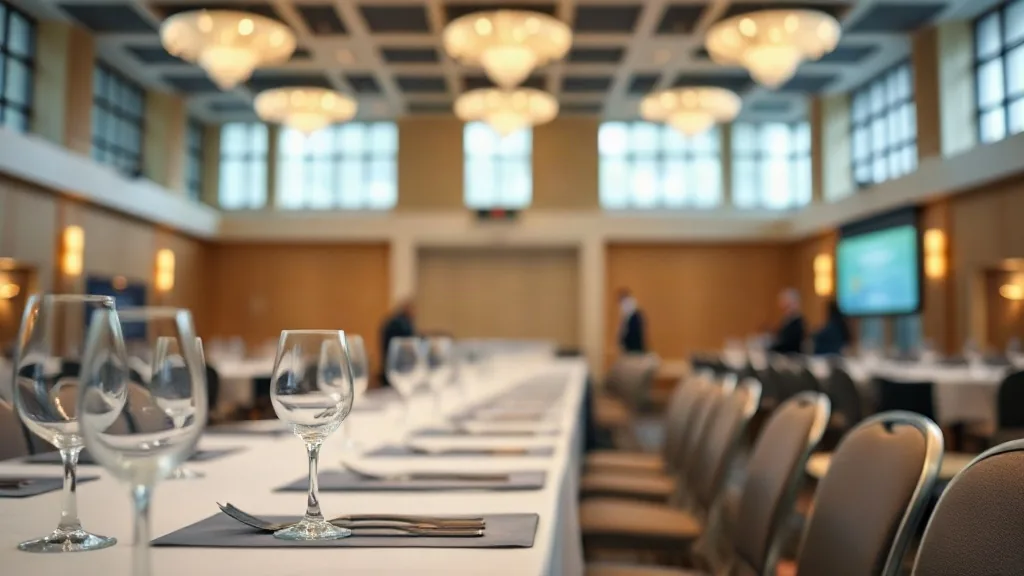
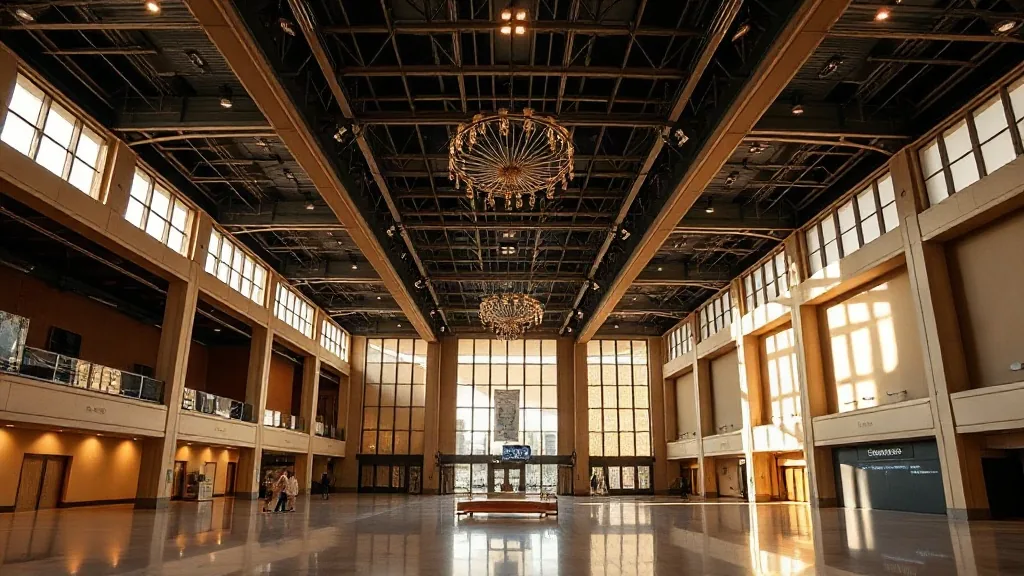
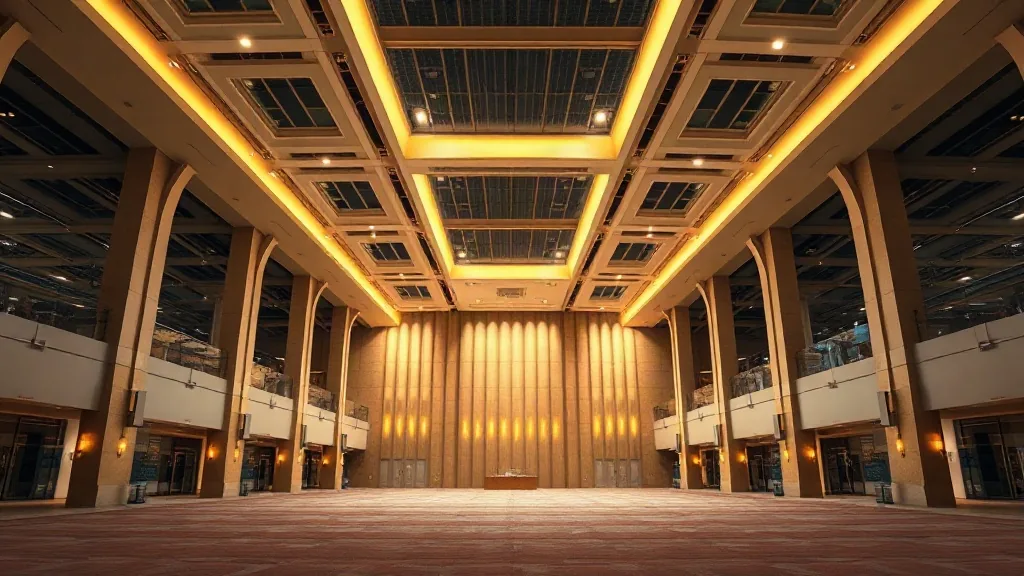
I use a simple rule of thumb for the floor space check when I’m working through a venue listing. If I count the floor’s rough square footage, and it is less than 15 square feet per attendee for a registration scenario, the plan forces a longer line or a slower process. A 600-person event is nowhere near huge, but it wants a sensible 9,000 square feet of pre-function space or a ballroom set-aside for the first two hours. Compare that to smaller markets where the space dances around your real usage; check-in lines in these mid-tier convention centers usually have better flow because their planners have done more trade shows with 3,000-head floods. But those same spaces sometimes lack accessible registration power points or the Wi-Fi density you’d get in a market like Chicago, where the dedicated conference centers can ping a pattern of event buyers in quick succession. Scan the venue’s hard capacity against the calculated station numbers; if they quote a registration hall for 600 but the area is 6,000 square feet, challenge the space allocation immediately.
Real events where the plan broke, and run-of-show fixes
At a 600-person awards event at an Escondido convention center, the venue recommended 4 stations (“more than adequate”) and we doubled it to eight based on a 7:45 AM early rush for a 8:30 AM start. The real run-of-show beat the venue’s math: our peak line was roughly 180 people deep and we cleared it entirely in 11 minutes of queue moving, with eight stations at an average handling time of 42 seconds each. A 600-person health tech bootcamp had the opposite problem, ten stations but a strict vaccine verification station in front of everything, and the real bottleneck was two people when they only planned for a single nurse on charge, which doubled the queue for two hours.
For run of show, build these fixes into your plan before you need them. Assign one staffer as line captain to monitor queue length and open flex stations; flex stations are normally table six and ten whose laptops and scanners stay powered but staffed by runners who pivot from a pre-shift duty at 8:00 AM. If Wi-Fi drops, keep paper back-up scanning sheets and a pen at every station; you don’t want your registration manager to dip out to find an IT person mid-crisis. At check-in start, put your fastest staffer on lane one and a patient bilingual person on lane two, since that’s where triage tends to pile up. And schedule a hard cutover time of 15 minutes after official start to flip the reprints and lost-badge lane from a side table into a main function.
Tell me a few things: how many heads are checking in at your next event, what time gate they’ll actually hit, and whether there is a door conflict with coat check or a fire exit. I’ll run the station count and let you know if your lodging math line is just stretching a budget breakdown without data, out loud and straight to your vendor.