Reusable signage and the cost of printing dates on everything
Dated signage costs thousands; reusable formats cut that bill by 80 percent.
Last spring I booked a three-day product launch for a client in Midtown and got the venue’s printed signage quote back at $4,800. That number covered twenty-two acrylic signs, most of them with a date and a room name that would be useless by Friday afternoon. I pushed back, we printed on reusable formats instead, and the final invoice for that line item landed under $900. The difference wasn’t a discount. It was that we stopped paying for dates.
Where the date actually earns its keep
There are three places where a printed date is doing real work, and I still pay for them.
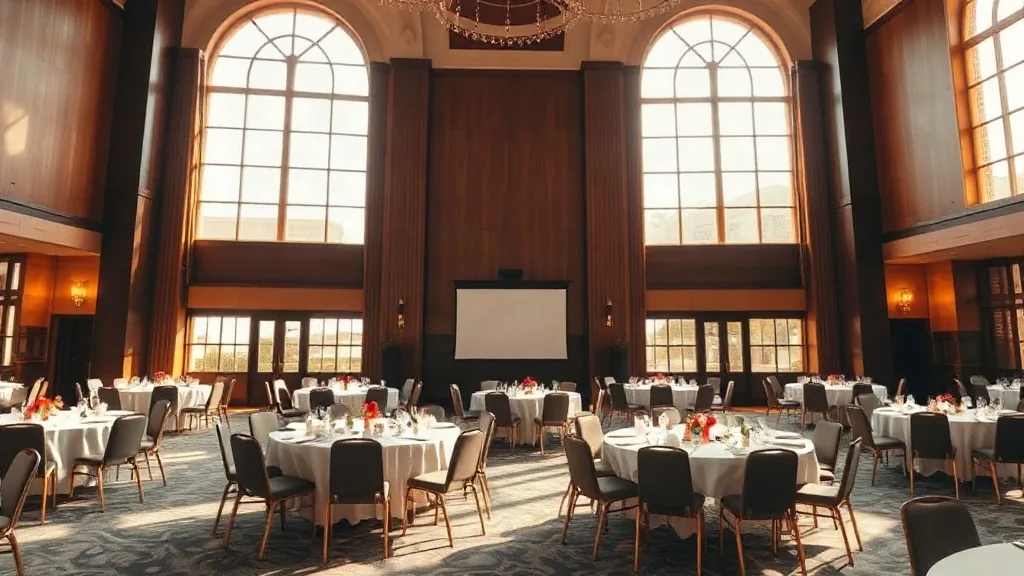
The first is registration and welcome desks. When a guest arrives off a red-eye, they aren’t checking the agenda in their pocket. They’re looking for the desk that matches the day they think it is. A sign that says “Thursday Check-In” saves your front-of-house staff from answering the same question two hundred times.
The second is anything that lives outside the event space itself. A sign in a hotel lobby telling attendees where to find the ballroom needs the date when the ballroom is hosting a different event the night before. I’ve swapped those signs at 10 p.m. more than once, and I’ve never felt bad about the labor cost.
The third is compliance-adjacent, and I mean that loosely. Most of my pharma and med device clients want the event name and date on posted agendas and session room signs. I just quote them the reusable frame plus a small printed insert stock. Confirm the specifics with your own compliance or legal team, since the numbers move and they vary by firm.
Everything else, the decorative walls, the directional arrows that only serve one room block, the “Welcome to the Q3 Kickoff” hero sign at the entrance, those don’t need a date at all. The hero sign decorates a space for one day. The date on it serves no one, because the people walking under it already know why they’re there. I’ve stopped ordering dated hero signs entirely.
The frames and vinyl approach that replaced my print orders
Here’s what I’ve moved to for the directional and identification work. I buy a set of aluminum snap frames in the two or three sizes my events actually use, typically 24 by 18 inches for tabletop signs and 36 by 24 for freestanding floor units. The frames run about $60 to $140 a piece, and I’ve had the same batch for three seasons. Inside each frame sits a printed paper insert that carries the room name, the session title, and the directional letter. The insert has no date on it.
For the day-specific information, I use a separate set of magnetic strips or a small vinyl letterboard mounted below the frame. The changeover takes about two minutes per sign with a label maker, and a junior staffer can rotate every sign in a convention center hallway in under an hour. The labor savings alone covered the frame cost by the third event.
The second piece of that system is the printed insert stock. I print inserts in batches of fifty at a local Atlanta print shop near the airport, and the per-unit cost drops to about $1.10 when I order that volume. The setup fee is the killer on short runs, around $75 per design, so I print all of them for a season at once.
I’ll concede the point that this system has limits. If you’re producing a single high-end gala with a bespoke visual identity, a snap frame with a paper insert looks like exactly what it is. That kind of event wants the acrylic with the metal standoffs and the backlit logo. I still quote that work traditionally, and I charge for it. But a one-night gala doesn’t recur, so the date on the signage is the least of the cost problem. See if the venue or your decorator can rent backlit units. A friend of mine in the Atlanta market rents hers for $35 per unit per night, and the client can’t tell the difference on the photos.
Match your signage plan to the venue realities
This is where I see planners make the actual budgeting error, and it isn’t about print costs at all. It’s about assuming the venue’s in-house signage vendor is your only option, and it’s about ignoring what the venue gets charged for removal.
A convention center or a hotel AV department marks up signage anywhere from 30 to 60 percent over their own cost. I’ve had a venue quote me $200 for a single 8.5 by 11 foam core sign that a local shop would print for $18. Their union labor rates in some buildings mean a fifteen-minute sign install costs more than the print itself.
Before you budget, ask the venue these three things. First, what their labor rate is for hanging and removal, and whether it’s a half-day minimum. Second, whether they allow outside signage vendors at all, and if so, what the certificate of insurance requirement is. Third, whether their in-house quote is a package or line item.
The best financial lever I’ve found is the load-in schedule. I built a load-in schedule template for a one-day event that maps signage install to the exact window when the venue’s labor is already on site for other work. If I can slide the sign install into the same labor call as the stage build, I avoid a second call-out charge, which runs $250 to $500 in most Atlanta venues depending on the shift.
I’ll also note that the venue type changes the answer. A hotel with in-house signage is usually flexible on last-minute changes, but you pay for a room note. A convention center is the opposite, harder to change, but more willing to negotiate the labor package. For the smaller market work in places like a corporate event venue in Owasso, Oklahoma or a meeting space in Newberg, Oregon, the in-house person is often the owner, and you can talk directly about reusing their hardware.
Reuse the signals, not just the frames
The cost leak goes past the date. It’s the tendency to treat every event’s signage as bespoke when the wayfinding structure is identical to the last three events you ran. The color changes. The font changes. The layout of the signs barely does.
I keep a standard signage package spec that I send every venue before I get their quote. It lists the sign sizes, the frame types, the placement inventory, and the install window. It doesn’t mention a date once. When the venue quotes against that spec, their number drops, because they aren’t quoting custom design work and they aren’t quoting the disposal of dated hero pieces.
My own spec lists four sign categories. Room identification on the snap frames. Directional arrows on reusable A-frame floor stands. A hero wall that’s client-owned and installed by our crew. And a digital welcome screen, which I’ll rent from the AV vendor if the venue doesn’t have one, at about $300 to $600 a day. That screen handles the date greeting, the sponsor thanks, and the agenda changes, all without a single printed piece.
This strategy matters more when you’re working outside the major metro markets. The print and labor costs in a destination like a Helemano-area Kapaa venue or the high-end hospitality of a Nantucket property get inflated by logistics. A $200 sign in Atlanta can be $400 on an island because the freight is brutal. You’ll only save money by printing less of it, which is what the reusable system forces you to do.
The one thing I won’t skip is a final review of the signage against the room diagram. Schedule that walkthrough for the morning of the event and print nothing until it’s done. Signage errors are nearly always errors of location, not of content, and a misplaced frame is a wasted frame.
So tell me about your next one. What’s the headcount, and when are you on site? I’ve got a Wednesday afternoon in early April and I’ll talk through your sign plan line by line if you want.