
The law-firm partner retreat: venue rules nobody tells associates
Someone junior usually gets handed the partner retreat and no rulebook. Here are the unwritten rules a law-firm retreat runs on, from hierarchy in the room to the private-dinner clause that decides whether it works.
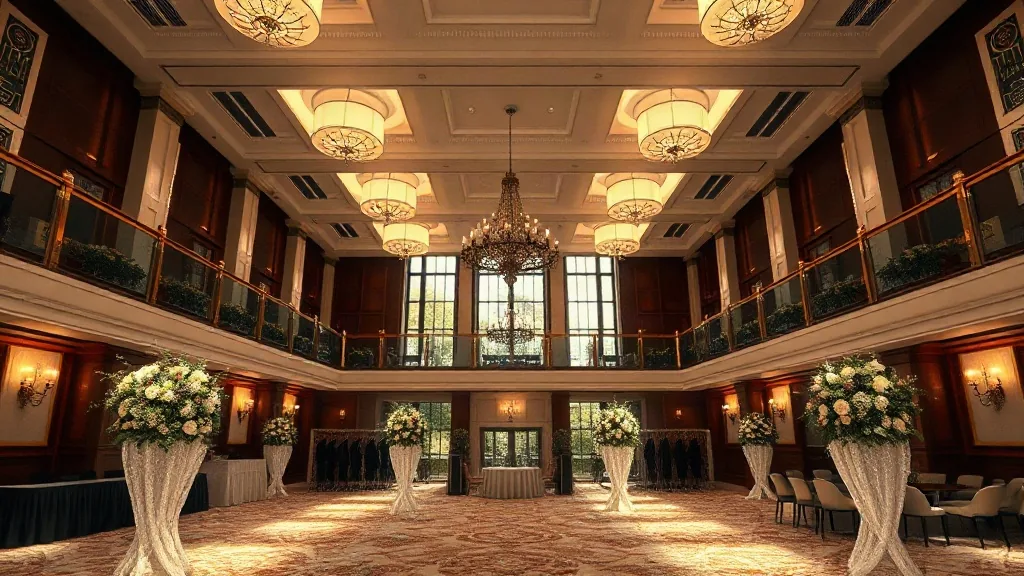
The first partner retreat I ran, a fifth-year associate handed me a one-line brief: “40 partners, two nights, somewhere nice, do not embarrass the firm.” That was the entire scope. No budget number, no agenda, no seating guidance. I learned the rest by getting it wrong, and the things I got wrong were never on any checklist an associate gets handed. Here they are.
A law-firm partner retreat looks like any other executive offsite on paper. It is not. It runs on a status system that nobody writes down, and the venue either supports that system or fights it. My whole job is picking the room that supports it.
Rule one: the room seating is political before it is functional
At a normal offsite you set the room for sightlines and note-taking. At a partner retreat, where people sit is a message. The managing partner and the practice-group heads expect a setup that reads as a partnership of equals, not a lecture. That means a hollow square or a large single boardroom table, never classroom rows facing a stage. Rows put someone at the front and everyone else in the audience, and partners do not think of themselves as an audience.
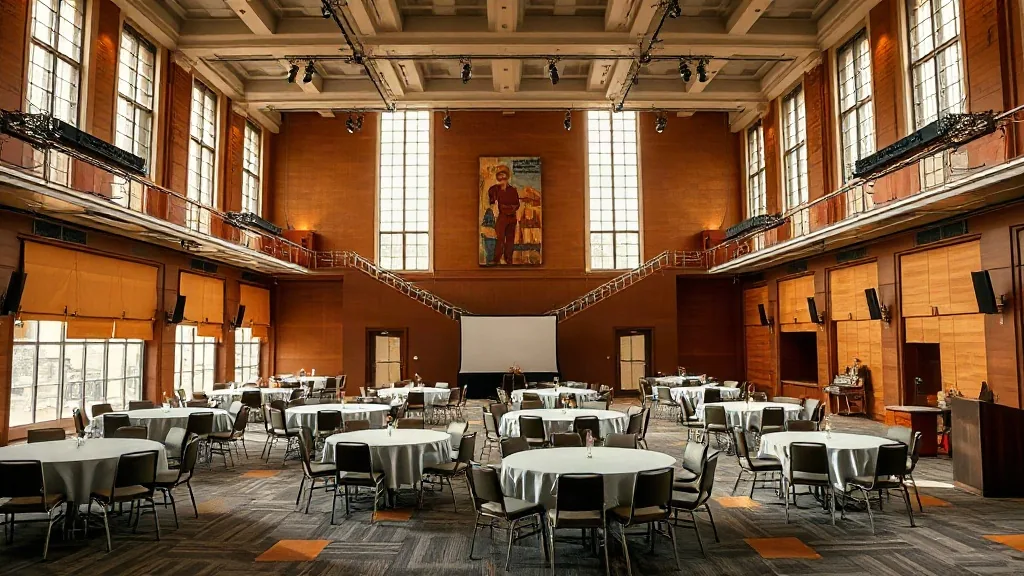
So my first venue filter is: can this room hold 30 to 50 people at a single continuous table or a hollow square. That is a bigger room than the headcount suggests. A 40-partner hollow square wants a room rated at 100 or more banquet, because the open center is dead space you are paying for on purpose. If a venue only offers me a room that seats 40 theater, it is the wrong room, full stop.
Rule two: the private dinner is the actual event
Partners will sit through the strategy session because they have to. The dinner is where the retreat succeeds or fails, because that is where the relationships that hold a partnership together get maintained. So the dinner space gets more of my attention than the meeting room.
What I insist on in the contract:
- A fully private dining room or a bought-out restaurant space. No shared floor, no other party across the room. Partners talk about compensation, lateral moves, and clients, and none of it can be overheard.
- One long table or a small number of round tables, decided with the retreat organizer, because the seating chart at that dinner is a delicate thing somebody senior will want to control.
- A wine budget handled as a per-bottle consumption list, not a per-head package. Partners have opinions about wine and a package insults them.
A restaurant with private dining or a country club usually delivers this better than a hotel banquet room, because the food is the point and both those venue types build around it. For the fuller argument on who controls the retreat and why the dinner matters, the law partner who controls the retreat brief is worth reading before you book anything.
Rule three: nobody tells you about the golf and the drive time
Half a partnership will want golf. The other half will resent every minute spent on it. The venue choice has to serve both without making it a fight. A country club or a resort with a course on site solves this cleanly, because the golfers play and the non-golfers are not trapped on a shuttle to a course 40 minutes away.
And watch drive time from the airport. Partners bill $700 to $1,400 an hour. A venue that is a scenic 90-minute drive from the nearest major airport is quietly spending three hours of billable time per partner round trip, times 40 people. Nobody puts that on the budget, but a managing partner feels it. I keep the transfer under 45 minutes unless the destination itself is the reward.
Rule four: the confidentiality is real, not decorative
Partner retreats discuss things that cannot leave the room. Compensation formulas, partner departures, merger talks. I treat this the way I would treat a data-sensitive corporate offsite. Sole occupancy of the meeting wing. Staff who enter the room covered by the venue NDA. No cleaning service during sessions. A meeting-room name on the reader board that is a code, not the firm’s name.
This is the same discipline that governs a board dinner where seniority and privacy collide, which is why the dynamics in law-firm hierarchy and party politics map onto the retreat more than people expect. The stakes are just higher because the strategy is on the table, sometimes the actual merger memo.
Rule five: the budget is bigger than they will admit
Associates get told to keep it reasonable and get no number. Here is the reality. A two-night partner retreat for 40, done at the level a partnership expects, runs $1,800 to $3,500 per partner all in once you count rooms, meals, wine, meeting space, AV, and golf. Nobody wants to say that out loud, so the associate guesses low, books a venue that reads cheap, and the partners quietly note that the firm went cut-rate on them.
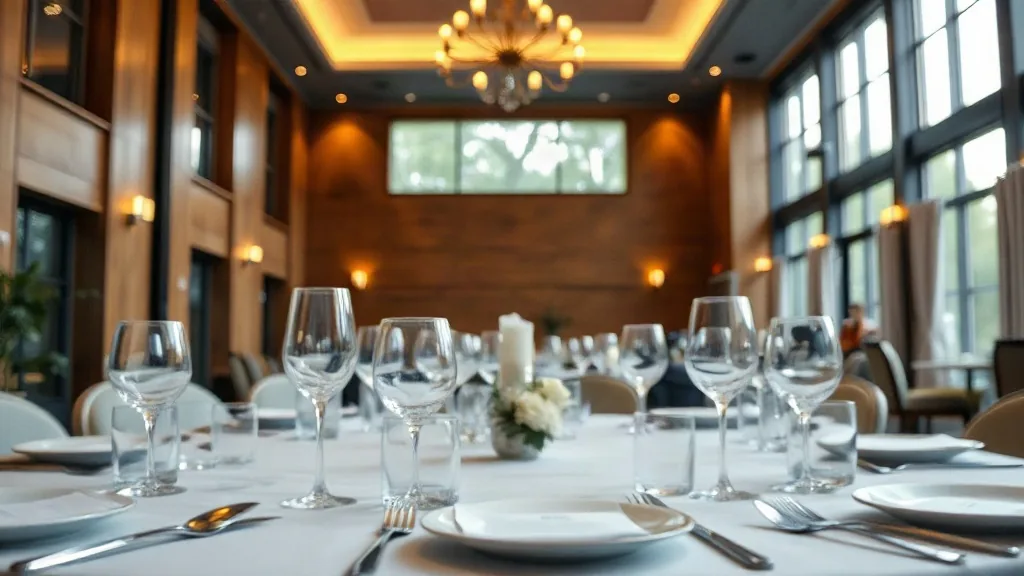
Do not book at the bottom of the range to look thrifty. A partnership reads a low-rent venue as a statement about how the firm sees itself. Book at the level that matches the compensation in the room, then defend it by showing the number is right for the audience, not padded.
What I actually book
For a partnership under about 30, I lean toward a private estate or a high-end country club with a boardroom, a course, and a private dining room. Small, controlled, and the food carries it. For 40 to 60 partners who need real meeting infrastructure and rooms on site, a resort with a self-contained meeting wing and a private restaurant space works, as long as I can buy sole occupancy of the wing. For a firm that wants character and total privacy over amenities, a restaurant with private dining paired with a nearby boutique hotel splits the functions cleanly.
The winery versus country club question for a board retreat covers the same tradeoffs, and the answer usually comes down to whether golf is a requirement or wine is the centerpiece.
Before you send a single inquiry
Get three facts out of whoever handed you this. The partner count. Whether golf is a hard requirement. And who controls the dinner seating, because that person is your real client for the most important two hours of the retreat.
Tell me those three, plus your two-night date window, and I can point you at the two or three venue types that fit the partnership’s size and self-image without you learning the unwritten rules the way I did.


