Working with a procurement department that has never booked an event
A procurement novice stalled a $74K launch until we translated hotel terms into IT speak.
It was a $74,000 signed contract for a 240-person product launch in Orlando, and the procurement manager on the other end had never once booked a hotel ballroom. She came from IT hardware spend, so her RFPs read like a server spec sheet, and her first question for me was whether we could guarantee a “four nines” uptime on the coffee service. I get that now; but I still had to teach her that a room block isn’t a purchase order line item.
The educational curve is steeper than the budget misalignment chain
The concrete fix starts with the venue terms. The attrition clause is what usually keeps novice procurement awake, so it pays to frame it early with a plain-language explanation of how the venue calculates it, and then hand them the pen so they feel the control. Read over the basics of what attrition in a venue contract actually means before you walk into that first meeting, because when they ask you “what happens if we only sell 190 rooms?” you need to answer with a percentage and a cutoff date, not a shrug.
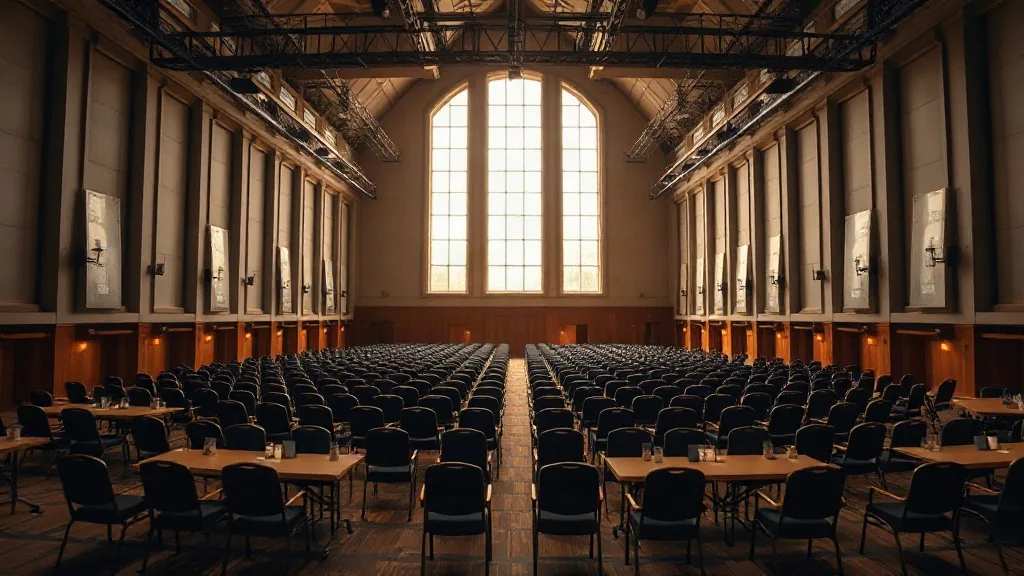
Show them the pattern behind the numbers. A normal group block in a big-box convention center property should allow you to shed 20% of sleeping rooms around 30 days out, though individual hotels might only let you trim 10%. Same city, two venues, two sets of rules. For the actual meeting space, you are usually safe with a 10 to 15 percent buyout provision letting you walk away from a partial day if your speaker lineup changes. The point isn’t the specific math; it’s convincing them the slop in the contract is a tool and not a trap.
That educational burden covers geography too. I pulled one finance client’s procurement team into a meeting about a Dallas event and watched the lead person ask why I recommended a venue near the convention center over the one next to their office. It’s the wrong question. Their staff was flying in. What matters is the 20-minute ride from DFW, the 1,200-person event floor, and the way the /convention-centers/ page shows one property with a loading dock tall enough for the set they’ll want.
Build the quote around their rules, not yours
So send the line items organized by cost center before they ask.
I quote my standard event for a pharmaceutical audience in the range of $110 to $150 per person for a sit-down dinner with a well-known banquet menu right in the city limits. That number excludes the bar or service charge, but it gives a procurement pro something to benchmark. Give them a price band per head by food type, not a single invoice amount, and they’ll relax.
Healthcare compliance gets handled strangely when the client is new to live events. A person who has only dealt with medical research grants assumes there’s a codified number crunching the meal limit, so I tell them exactly how I’ve worked with similar pharma groups before: most of my pharma clients cap dinner between $75 and $125 a head, open bar excluded, and none of the approved vendors sell tickets directly to the attendees. Confirm the specifics with your own compliance or legal team, because the numbers move and they vary by firm.
This is also where you have to draw the line about contingent spend. Their team will be used to tracking every dollar to a forecast, so give them a realistic “attendee cost” number that includes the venue, food, and the coffee needed to keep a 9 AM talk alive. I suggest sheltering roughly 10 to 15 percent of the whole budget as contingency, because that’s the difference between a graceful venue change and going back to the CFO for approvals nobody wants. In my October event, we lost a speaker three days out and went through nearly a quarter of the contingency just fixing the food minimum for a headcount drop.
Data they can copy paste beats glossy brochures every time
Send the room block spreadsheet before they ask for the proposal. A beginner understands two years of purchase history and a count of current inventory better than a single glossy brochure, because inventory lives in the same spreadsheet where your labor cost cell lives. I put my day-by-day pattern of room nights on its own tab, green cells for rooms still available, red for events running at an expected sell-through.
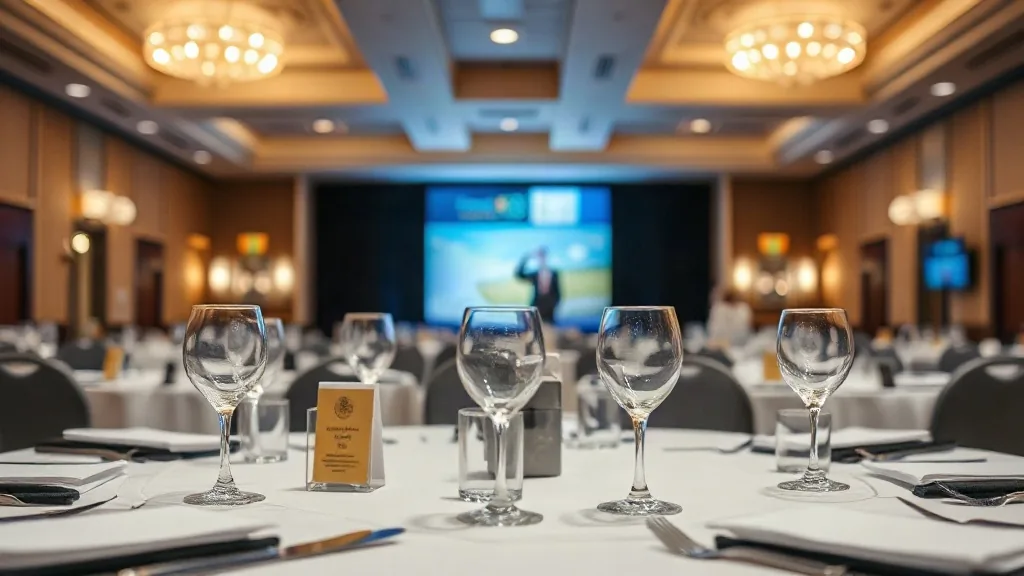
Do the same for the dates themselves. Whoever set the date before a major sports play-off might be horrified to learn their prices spike $40 a night at certain points of the year, so plant the idea early that flexibility is saved by booking shape, not booking speed. And link them to useful venue fact sheets you rely on, such as the inside-the-building run-down for a tech corridor event, because those one-pagers show loading dock dimensions and ceiling heights that instantly make you look experienced to a new seller who doesn’t yet trust the local hotel expectations. Another useful one is the collection for a Charlotte suburbs trip if you see a stakeholder trip forming; I browse it specifically for parking acreage, which I have learned is an obsessive metric inside procurement.
If your venue type leans smaller than a metro block, don’t overlook the odd spots where conventional floor plans change. A company offsite with a speaker stage benefits from the unusual long footprint of a Vermont property or more square footage in a New Jersey option depending on where your headquarters actually sits.
Walk them through the review cycle like they are the star
Be upfront about the line items they can’t cut without touching their own risk profile. You cannot negotiate state tax, though I’ve seen even the sharpest procurement analyst try. You can usually move the 2.5 percent venue service fee between line items but never eye the mandated disability access surcharge.
If the event includes an awards dinner and a show element, steer their eye toward production liabilities they already understand in code-writing but forgot to apply to the stage. In my best-known update to new procurement folk, I reference the entry on the stage manager you didn’t budget for because it has a clear description of why the run sheet and a union stage crew aren’t the same budget. When they demand a clause holding you liable if a speaker drops out, hand them the notes on handling a no-show speaker ahead of the schedule. It shows the rebuild costs, from a past-data average of $2,800 for an alternate emcee plus fees for the green room food, costs procurement never maps.
A planner’s twist is to make the procurement officer look ahead. Show them a partial monthly cash-flow projection highlighting what month the deposit lands and which one eats the bulk of the payment, and they’ll understand you saved them from an internal surprise. When they realize you have stored ground feedback from local partners below the line, they will become your negotiator, not your adversary. Just let them try to call the hotel at a Hawaiian venue while wishing their budget belonged in that open-air lanais and boardwalk that anchors the Waikiki properties.
I don’t say this from an ivory tower. I have already paid $6,400 in true food and beverage minimums in order to support a client incentive trip for a smaller sign-off, just to keep the partnership going, all because nobody in their procurement department knew to ask for the clause deletion. Tell me your last event timetable, your signing date and the headcount you’ve got in play, and I’ll help take it through its first review floor by floor.