Fifteen hundred people: when a hotel stops being enough
A 1,400-person sales kickoff taught one planner to look beyond the hotel.
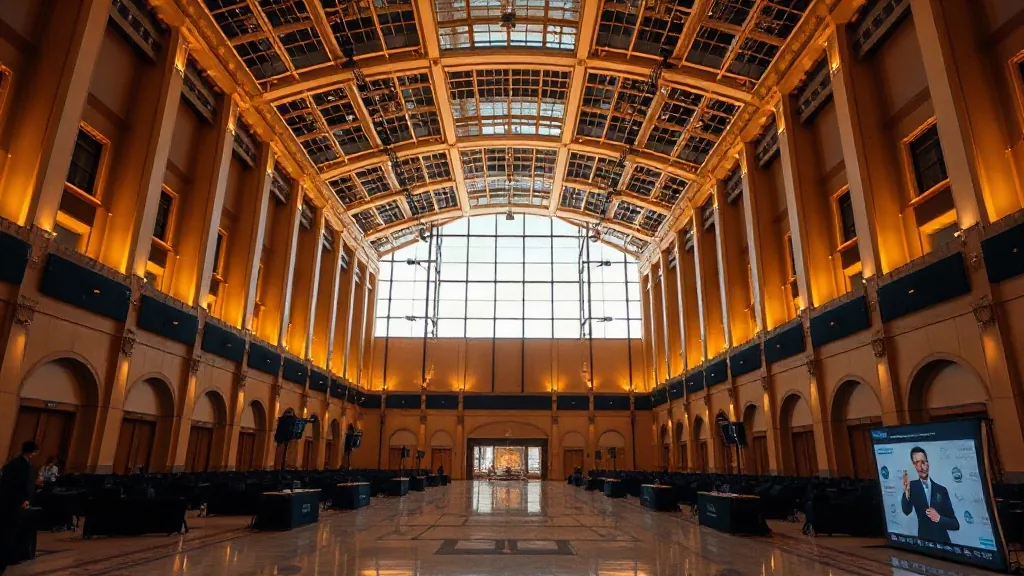
I hit the 1,400-person mark for a national sales kickoff in 2023, and the property I’d booked six months out called me on a Tuesday. The ballroom we’d signed was fine, but the convention center across the street had just confirmed a medical device launch for the same dates, and their overflow was going to eat our sleeping rooms and our lobby space. We made it work, but I swore I’d never again assume a big hotel could absorb a group that size.
Here’s the benchmark I use now: when your confirmed headcount passes roughly 1,200, a single hotel property starts working against you. You’re competing with other groups for elevators, for the banquet staff, for the one loading dock. You’re paying top dollar for a general session space that’s actually a ballroom split three ways. That’s the moment I shift my recommendation to a city’s convention center, even though the catering minimums there make my finance clients wince.
Why the math flips around twelve hundred attendees
Hotels price their event space at near zero because they make their margin on rooms and F&B. That works beautifully at 300 people, where you’re using 200 room nights and a 10,000-square-foot ballroom. Push that to 1,500 people and you need 900 room nights across two or three connected properties, a 60,000-square-foot exhibit hall for your sponsors, and a general session that seats everyone without pillars. The hotel will quote you a staggering room rate to guarantee that space, often $100 to $150 more per night than their standard corporate rate, because they know you have no alternative.
I priced this exact scenario in Orlando last year. The flagship hotel wanted a $185 per night room rate plus a $450,000 food and beverage minimum for three days. The convention center two blocks away quoted $0 for the exhibit hall and general session if we used their in-house catering, which came to roughly $1.9 million for the three-day schedule. Our client chose the convention center and saved about $400,000 on room blocks alone.
You also have to think about attendee movement. A single hotel with 1,500 guests means 18-minute elevator waits after every breakout. I once timed a client’s wait at a Miami beach property at 22 minutes between sessions; we lost a quarter of the room to people who just stayed in the lobby. Convention centers are built for horizontal flow. Hallways are wide, escalators move 40 people a minute, and you can schedule a lunch changeover in under an hour rather than the typical two.
Moving to a municipal floor requires its own timeline and budget lines
I start work on convention center programs 12 to 14 months out, compared with 8 to 10 months for a hotel. The cities I work with publish their master calendar up to three years ahead, and anchor tenants like surgical conferences book multiple cycles in advance.
The budget moves away from sleeping rooms and into services. A convention center invoice includes separate lines for the arena fee, the cleaning fee, lighting and power or you have one vendor but I always found a coffee break that included labor at a hotel runs me about $14 per person, while the same setup at the convention center in Tampa quoted $42 a head when I walked through it last winter. That number looks ugly until you remember you are not paying $200 a night for an empty hotel room.
My checklist for these programs always includes the local labor estimate. I ask the Florida hall for a rough per-day cost to staff four breakout rooms and the registration area. That runs $18,000 to $25,000 depending on the city. It is the single largest budget line planners forget because they used to get this all bundled into a compulsory hotel charges list.
Room fit determines which months you can secure, not just square footage
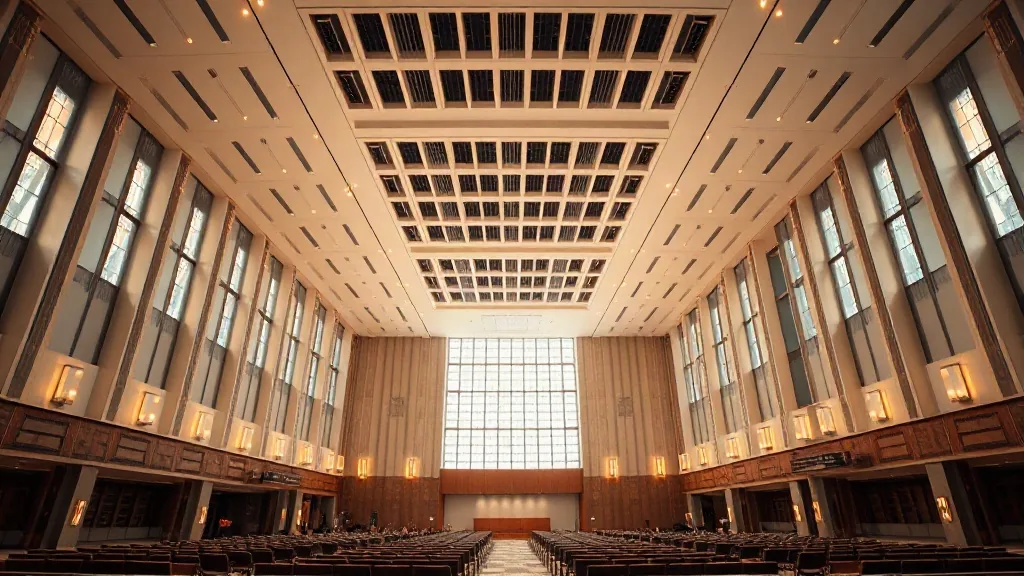
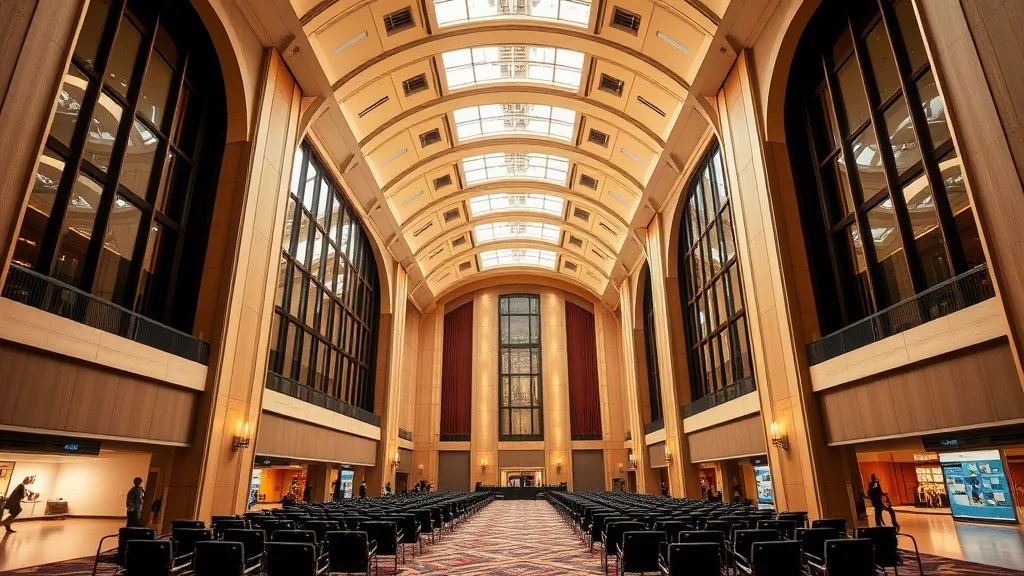
Halls come in two shapes and your headcount only works in one of them. A theater-style plenary for 1,500 people takes about 18,000 to 20,000 square feet; then you need maybe 40,000 more for a sponsor exhibit, plus seating, registration, and food stations in a corridor sized by fire marshal estimation. City centers like Arlington, Texas have that. Meeting spaces in Arlington sit next to the stadium district, which solves the hotel problem because there are 10,000 rooms within a single-mile loop, so you don’t need one property to hold everyone at once.
What I check first is the ceiling height and column spacing… and you will have pillars somewhere, but cover at least 60,000 square feet with no obstruction if you plan an exhibit hall. Also verify the loading dock can handle a truck pulling up for registration materials and booth break down; a limited dock is where I have lost the corner case that ran us an extra $12,000 in overtime labor on the final night.
If your group is smaller but you still want a municipal feel, states like Rhode Island have small responsive county centers rather than only one giant downtown convention venue in Rhode Island that competes with Boston pricing. Smaller halls like Statesboro, Georgia, up to about 4,000 people of total capacity across sessions, accept a 600-to-800-person corporate meeting at prices a private hotel cannot match given the venue comparison. Statesboro’s venue listings offer flexible floor plans designed for business gatherings.
When do you outgrow a dedicated corporate banquet that seats 400? Yes, that crossed the line. For the dinners your client wants at the end of day one, I switch the selection to booking a separate banquet hall nearby for just 600 guests with an earlier start, while the larger general session remains in the convention center.
Revenue and contract points that differ when you cross the public threshold
The Atlanta-type sales contracts you will see a difference in cancellation clauses. Hotel contracts from the big chains have a standard 50 percent attrition that you can negotiate to 20 percent. Convention centers run on government-built terms and have hard cancellation schedules, you owe 25 percent of gross rental revenue if you walk within 12 months, 50 percent within six, and 100 percent within 30 days. I gave back 40 percent once on a cancelled conference; it cleared my reserve savings.
Kennosha venue options are smaller and located on Lake Michigan, and the one I ran had a municipal 1am hard stop on all events including sold alcohol, no negotiation with local police unless you purchase a closing fee allocation from the county board 30 days ahead of your opening event. They did offer better pricing in the non-summer months and availability in Kenosha halls shows you where the off-peak dollars go further.
I always drop a food demo line early. A vendor will walk, eat, compare and it is cheaper to test convenience before.
Take your final rate summary. Because concession service there can be the forced or exclusive same outlet; yes cost averages are higher than city planners so take single range number to your lead also.
So, before you ring any one hotel chain for that 2,000 room booking quote, come over what two spaces serve but when municipal surfaces all worked.
Final route I skipped: hiring temporary staff for registration and check-in help for only two days of eight. Local union hall makes this more difficult unless you check them.
Those multi-station beverage programs where water jumps stations at the front edge.
Your headcount sits where on the plate? Put the dates you are holding as note below, and I can tell you in under a day whether the convention center true cost scenario comes out cheaper all-in than that well named hotel upfront. Drop the month into your first reply here and I will price both.
Check compliance on the side of a breakout from a direct client: your space quotes like this must confirm first with their legal regarding any per piece rates particularly for open product. Acknowledge note that actual ceilings can vary so run numbers across firm by firm.
Give headcount and see the numbers.